
The Dalit community alleges that they face such disrespectful treatment every year. The procession never enters their settlement, and if they do visit the temple, they are forced to stand at a distance.
Members of the Dalit community in Machalli, a remote village in Krishnaraja Nagar taluk of Mysuru district, have alleged severe untouchability and caste discrimination surrounding the Madeeshwara Temple and the deity’s Shobha Yatra.
According to local residents, it is a long-standing tradition in the village that during the annual festival of Lord Madeeshwara, the bull procession is taken to every home and every settlement. This tradition was not followed in the Dalit settlement during last week’s festival. The Dalit community alleges that they are forced to perform puja in a humiliating and unequal manner. As soon as their festival is over, the idol is immediately removed and taken away, depriving them of the opportunity to worship the deity.
Residents of the Dalit neighborhood reported waiting for two to three hours, but no arrangements were made for their worship. The temple doors were closed, and people left. One member said, “This is happening even in the 21st century, which is very sad.” The community alleges that this happens every year. The procession never comes to their settlement, and if they go to the temple, they are forced to stand at a distance.
According to the Dalit community, this time the village elders had agreed in a public meeting and promised that full arrangements would be made for the worship in the Dalit settlement as well. Trusting this promise, every Dalit family contributed thousands of rupees for the worship. But when the deity’s procession reached the Dalit settlement, the situation suddenly changed. Within just two minutes, the idol was snatched away, and the worship was not performed.
Following this, some elders and young people of the village gathered and openly declared, “They only have 15 houses, what can they do?” Members of the Dalit community allege that they were subjected to severe abuse, death threats, and other atrocities.
Dalit residents also stated that they pay taxes and volunteer for public and religious events in the village, yet they are not allowed to enter the temple’s sanctum sanctorum, touch the deity, or worship on an equal footing. The village is home to approximately 60 Dalit families, most of whom are agricultural laborers.
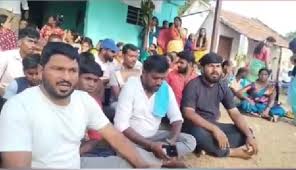
Following this incident, members of the Dalit community have protested in the village, demanding immediate action from the district administration and equal rights in the temple. They have also accused the Social Welfare Department and local authorities of failing to reach the village despite repeated complaints.
Geetha Sunil Pillai
Courtesy: Hindu News