
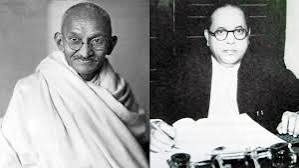
This is most prominently witnessed in the chapter exploring his relationship to Mahatma Gandhi and his ideas
Title: Homes Without Windows
Author: Chandu Maheria
Genre: Memoir
Publisher: Juggernaut
Cost: Rs 699
Gujarati writer Chandu Maheria’s new book Homes Without Windows (Juggernaut), translated into English by Hemant Ashwinkumar, is an honest account of what it meant to grow up as a Dalit boy in the working-class suburb of Rajpur in Gujarat. We learn how several Dalit families left their villages after independence to settle in parts of Ahmedabad. Through 11 essays, Maheria helps readers draw a brief history of caste politics in Gujarat: from aggression in schools of the Khadol village in the 1960s, to the anti-reservation riots and the growing consciousness of Dr Babasaheb Ambedkar’s ideology across the state in the 1980s.
Through it all, Maheria’s tone is understated and nuanced. This is most prominently witnessed in the chapter exploring his relationship to Mahatma Gandhi and his ideas. He excavates the reasons why a majority of the Dalit community resents Gandhi and prefers to advocate Dr Ambedkar’s views. Without disagreeing with the concerns of the community on the Gandhi-Ambedkar debate, he argues that one cannot disregard Gandhi’s role in bringing the subject of caste to the forefront of public discussion and politics.
Maheria’s most distinctive quality is how he examines everyday objects and gives evidence from his personal experience to portray how deeply entrenched the caste system is in India. Chapters like ‘Your Chappals, Our Skulls’, which highlights footwear, or ‘The Mayor’s Bungalow’, which looks at public toilets, become significant in this regard. For instance, he recollects being turned away at the school gate as a kid, on the first day of school, because he couldn’t afford footwear and reached barefoot. The final chapter on fighting rumours and sicknesses with multiple hospitalisations offers a poignant closing to a sensitive and necessary book
Nandini Varma
Courtesy : Mid-Day
Note: This news is originally published on https:/mid-day.com/bha and is used purely for non-profit/non-commercial purposes, especially human rights