
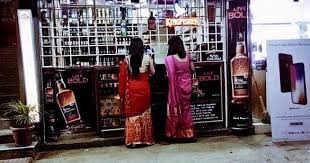
Agra: The National Human Rights Commission has taken a very serious view of liquor shops operating in Dalit, slum, and densely populated residential areas, issuing a notice to the Agra administration.
Taking cognizance of a complaint filed by human rights activist and advocate Naresh Paras, the Commission has directed the District Magistrate and the concerned administrative officials to submit a detailed Action Taken Report (ATR) within four weeks.
Issues of Security and Social Justice
In the complaint, advocate Naresh Paras argues that the presence of liquor shops in these areas has made life difficult for women, students, and ordinary citizens. Incidents such as gatherings of antisocial elements outside the shops, molestation, abuse, and assault have become a daily occurrence, violating the fundamental rights of citizens. He also cited the recent tragic road accident in Nagla Budhi, New Agra, where five people lost their lives due to the negligence of a drunk driver.
Proposed Solution: ‘Wine Zones’ and Strict Policies
The complainant not only demanded the removal of liquor vends, but also suggested the development of ‘wine zones’ (controlled areas) as a concrete solution. He proposed that all liquor vends be relocated from residential and sensitive areas to the outskirts of the city or industrial areas. These zones should have CCTV surveillance and adequate police security. Liquor sales hours should be limited to 10 a.m. to 10 p.m.
Emphasis on Constitutional Provisions
In his complaint, Naresh Paras cited Article 21 (Protection of Life) and Article 46 (Protection of the Interests of Scheduled Castes and Scheduled Tribes) of the Constitution, demanding accountability of the administration. They have also appealed for an investigation against the excise officials who allowed the liquor shops to open in populated areas.
Suggestions for the Future
The proposals presented to the Human Rights Commission include important demands such as ensuring a minimum distance of 200 meters between liquor shops and schools, religious places, and residential complexes, making public hearings mandatory, and making a Social Impact Assessment a prerequisite for contract approval.
This issue has now become not just about local law and order, but about social justice and the protection of women’s dignity. This directive from the Commission poses a major challenge to the administration, as it will now have to explain its stance on the operation of liquor shops in these sensitive areas.
Courtesy: Hindi News