
Dalit organizations considered this an attack on the spirit of the Act and said it would hinder justice for SC/ST victims of atrocities.
Dalit History Month is celebrated by Bahujan communities worldwide in April. Dedicated to the birthday of Dr. Bhimrao Ambedkar, this month aims to remember and convey to the new generation the historical struggles of the Dalit-Bahujan community, which have often been suppressed in mainstream history.
Inspired by Black History Month, Bahujan organizations, intellectuals, and social activists discuss the suffering, resistance, and achievements of the Dalit community. Remembering the community’s struggles during this month is important because these struggles not only remind us of the need to stand up against caste-based atrocities but also point the way to social justice even today.
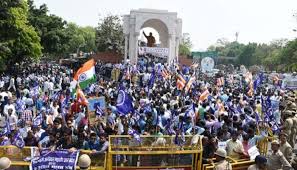
This time, during Dalit History Month, one event is being specifically remembered – April 2, 2018, when the country witnessed the largest social movement in history to protect the SC/ST (Prevention of Atrocities) Act. On March 20, 2018, the Supreme Court delivered its verdict in the case of Dr. Subhash Kashinath Mahajan vs. State of Maharashtra, weakening some key provisions of the SC/ST Act.
The Court directed that a DSP-level preliminary investigation be mandatory before filing an FIR, that the arrest of public servants requires the permission of the appointing authority, and that anticipatory bail be granted in certain cases. Dalit organizations considered this an attack on the spirit of the Act and said that it would hinder justice for SC/ST victims of atrocities.
This decision sparked anger across the country. Various Dalit and Bahujan organizations called for a Bharat Bandh on April 2, 2018. Millions of people took to the streets – trains were stopped, roads were blocked, and protesters demanded the government repeal the Supreme Court’s decision. Protests broke out in several states, including Madhya Pradesh, Uttar Pradesh, Rajasthan, Bihar, Punjab, Haryana, Maharashtra, and Delhi. In many places, the protests turned violent, leading to clashes with police, vehicle burnings, and stone-pelting. Curfews were imposed, internet services were shut down, and security forces were deployed.
Fourteen people were martyred in the violence during this movement, while hundreds were injured. According to various media reports and official figures, Madhya Pradesh recorded the highest number of deaths (9) (including Gwalior, Bhind, and Morena), followed by Uttar Pradesh (3), and Rajasthan (2). These martyrs sacrificed their lives in the fight for the dignity and security of the Dalit community.
Under pressure from the protests, the central government filed a review petition in the Supreme Court. In August 2018, Parliament passed the SC/ST (Prevention of Atrocities) Amendment Act, 2018, which repealed the Supreme Court’s March 2018 directives and restored the original provisions.
April 2, 2018, was etched in the struggles for social justice as it demonstrated that the Bahujan Samaj could unite to protect its constitutional rights. Remembering this event during Dalit History Month is a reminder of the struggles that protected the law.
Geetha Sunil Pillai
Courtesy: Hindi News