
A New Faith Cannot Guarantee Equality – OpEd
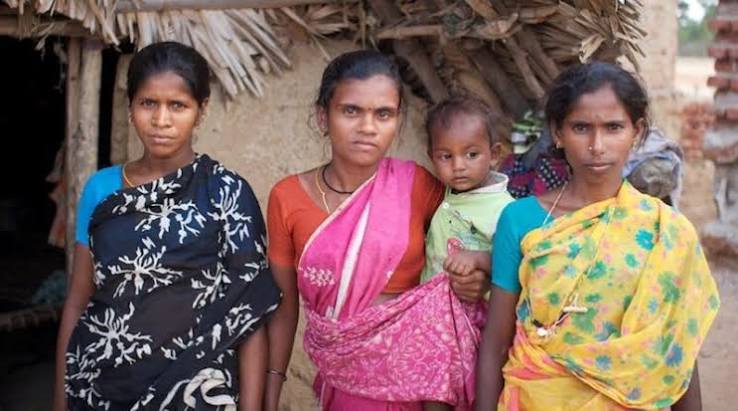
Tamil Nadu’s April 2023 Assembly resolution seeking Scheduled Caste protections for Dalit Christians did not alter eligibility, as only Parliament can amend the existing restriction and a state cannot unilaterally set it aside. Effective progress requires a sustained legal and legislative strategy rather than repeated political declarations that leave the statutory barrier unchanged. The Church’s role is to surface neglected experiences, insist on reliable evidence and practice the equality it seeks from the state, while distinguishing religious freedom to change faith from the persistence of caste-based burdens that a new religious identity does not automatically erase. (UCA News) — A baptism can mark a new beginning. It cannot make neighbors forget a family’s caste or guarantee children the opportunities denied to their parents. That distance between religious belonging and social acceptance lies at the heart of India’s latest controversy over affirmative action. For the Church, the question reaches beyond whether Christians qualify for particular benefits. It concerns how a society committed to equality should respond when inherited disadvantage survives a change of faith. The immediate dispute concerns Tamil Nadu, a southern Indian state, and its reservation category for specified disadvantaged Muslim communities. India’s reservation system sets aside places in education and public employment for designated disadvantaged groups. The Supreme Court held that conversion to Islam, together with a person’s previous caste status, does not automatically establish membership of a notified Muslim backward community. That distinction matters. A ruling on eligibility within a particular classification should not be mistaken for evidence that conversion eliminates social disadvantage. Nor does the judgment mean that Christians and Muslims are excluded from every reservation category. A persuasive response must address the legal distinctions accurately while asking whether the existing framework adequately serves the people it is meant to protect. The court also reiterated a restriction with direct consequences for Christians. Paragraph 3 of the Constitution (Scheduled Castes) Order, 1950 confines Scheduled Caste recognition to people professing Hinduism, Sikhism or Buddhism. Scheduled Castes, or SCs, are communities officially recognized as having suffered historic caste exclusion, including untouchability. Many people from these backgrounds identify as Dalits. Christians and Muslims remain outside this category, regardless of their ancestral caste. This boundary has a history, and that history shows it can change. The 1950 presidential order drew substantially on a colonial classification that excluded Indian Christians. It generally limited recognition to Hindus, with a narrow exception for specified Sikh communities. Parliament widened Sikh eligibility in 1956 and included Buddhists in 1990. These changes did not make every Sikh or Buddhist eligible. They removed religious barriers for otherwise qualifying members of listed communities. The question, then, is not whether every convert should automatically receive a reservation benefit. Governments need evidence, defensible classifications and safeguards against misuse. Existing beneficiaries deserve protection from arbitrary decisions. But a religion’s teaching about equality cannot substitute for examining its followers’ circumstances. Christianity’s affirmation of equal dignity does not demonstrate that a Christian family has escaped caste prejudice. The same distinction applies to Muslims. Religious ideals and social realities are not interchangeable. The Church should pay particular attention to the evidentiary question. In 1985, the Supreme Court dismissed a challenge brought by Soosai, a Christian cobbler from a Scheduled Caste background in Tamil Nadu. The court did not establish that caste necessarily disappears after conversion. It found insufficient evidence of comparable continuing disabilities to sustain the constitutional challenge. An unsuccessful petition was not proof that discrimination had ended. There is a practical lesson here. Advocacy needs more than declarations of solidarity. Church institutions should support rigorous research, accessible legal assistance and careful documentation of exclusion. Dalit Christians must help determine what is studied, whose experiences are recorded, and which remedies are sought. They should not be invited merely to endorse arguments prepared on their behalf. Their knowledge is essential to getting those arguments right. That work must begin close to home. The Church cannot credibly argue that caste survives conversion while dismissing questions about caste within Christian institutions as inconvenient or divisive. Parishes, schools, religious communities and leadership bodies should examine who receives opportunities, who exercises authority and who remains unheard. A defense of equality becomes convincing when it includes a willingness to listen, admit failure and change. Christian solidarity must also reach beyond Christians. The immediate Tamil Nadu dispute concerns Muslims, making it a test of whether the Church’s concern rests on principle or institutional interest. Supporting fair assessment does not require endorsing every application or promising automatic eligibility. It means insisting that disadvantage be examined rather than assumed away. Justice requires scrutiny, not shortcuts, and concern for people who do not share our faith. Tamil Nadu should carefully assess grounds for judicial review while renewing the legislative effort concerning Dalit Christians. In April 2023, its Assembly adopted a resolution seeking Scheduled Caste protections and benefits for them. That expression of support did not change eligibility. Parliament can amend the existing restriction; a state government cannot simply set it aside. Political promises need a sustained legal and legislative strategy, not another cycle of declarations. The Church’s task is neither to denounce courts nor to defend its members alone. It is to bring neglected experiences into public view; insist on reliable evidence and practice the equality it asks the state to uphold. Religious freedom protects the right to change one’s faith. Social justice asks what burdens remain afterwards. The law must distinguish between categories, but public debate must not lose sight of people. A new religious identity should not be mistaken for proof that an old injustice has ended. By Dr. Fr. John Singarayar The views expressed in this article are those of the author and do not necessarily reflect the official editorial position of UCA News. About Dr. Fr. John Singarayar, SVD, is a member of the Society of the Divine Word, India Mumbai Province, and holds a doctorate in Anthropology. He is the author of seven books and a regular contributor to academic conferences and scholarly publications in the fields of sociology, anthropology,
Life imprisonment for raping a Dalit girl

Barabanki. The special POCSO court on Tuesday concluded its hearing in the rape case of a Dalit girl in the Asandra area and sentenced the accused to life imprisonment. A fine of ₹60,000 was also imposed. This entire amount will be given to the victim. According to the prosecution, a woman from a village in Asandra filed a report on November 18, 2020, stating that about 10 months ago, her 13-year-old daughter had gone to graze goats when she was raped by Lallu, also known as Wasim, from the same village. The accused threatened the girl so much that she did not even tell her family. When the girl became pregnant, Lallu administered an abortion medication. The incident came to light after the girl’s condition deteriorated at home. The investigating officer filed a charge sheet against Lallu in court under the POCSO Act and the SC/ST Act. The girl’s statement was recorded during the hearing. The prosecution presented seven witnesses in this case. After hearing arguments from both sides, Special Judge Pran Vijay Singh sentenced Lallu alias Wasim. Courtesy: Hindi News
2 govt teachers jailed for abusing Dalit principal over sitting on chair
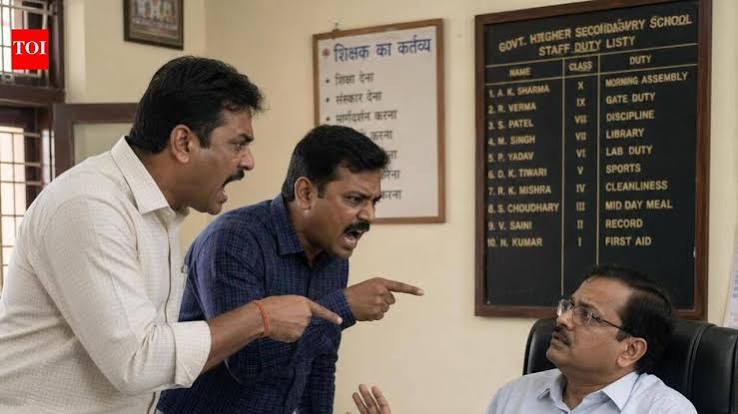
Agra: A special SC/ST court in Mainpuri sentenced two govt teachers to six months in prison and imposed fines after they abused and assaulted their Dalit principal for sitting on a chair. Additional sessions judge Jay Prakash handed down the sentence to Yogendra Singh Yadav and Omprakash Lodhi. The two had taught at a govt inter college in Ramnagar. The incident took place on July 19, 2017, when principal Babu Shri Krishna Datt was in his office. The teachers entered, objected to him sitting on the chair, hurled casteist abuses and assaulted him, overturning his desk and chair. The principal, a resident of Fatehpur district, said the accused, both in their early 50s, assaulted him outside Kishni police station two days later when he went to lodge a complaint. They hurled casteist abuses again and threatened to kill him. An FIR was registered under IPC sections 323 (voluntarily causing hurt), 504 (intentional insult) and 506 (criminal intimidation), along with section 3(1)(d) of the SC/ST (Prevention of Atrocities) Act. Though the principal later turned hostile during cross-examination, the court considered his initial statement and complaint. It held that the defence had failed to explain why he would falsely implicate his colleagues and observed that he may have faced pressure to retract his statement. On Monday, the court sentenced both teachers to six months of simple imprisonment and fined each of them Rs 6,500 under the SC/ST Act, according to govt counsel MP Singh. Courtesy : TOI Note: This news is originally published on https:/timesofindia.com/bha and is used purely for non-profit/non-commercial purposes, especially human rights
UP: Dalit lawyer representing a dowry harassment case receives death threat, case filed
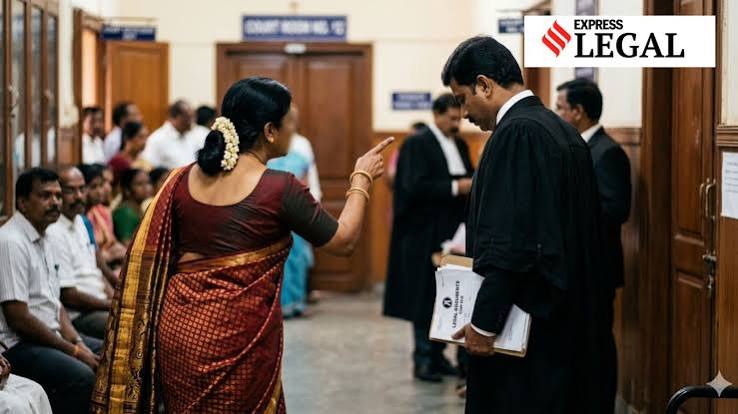
Bhadohi (UP), October 28 (Language) A case has been filed against the husband of a Dalit lawyer representing a dowry harassment case in Bhadohi district for allegedly using casteist slurs and threatening to kill him. Police said this on Wednesday. Police said that after investigating the complaint of lawyer Jovin Kumar (50), a resident of Sayer village in the Aurai police station area, and a phone call recording, a case was filed late Tuesday evening against the accused, Kundan Singh (25), under relevant sections of the Indian Penal Code and the Scheduled Castes and Scheduled Tribes (Prevention of Atrocities) Act. Police Circle Officer Rajiv Kumar Singh said on Wednesday that Ritika Singh was married to Kundan Singh, a resident of the Maharajganj police station area in Jaunpur district, on February 6, 2026. He stated that according to the complaint, approximately ₹40 lakh was spent on the wedding, including ₹10 lakh in cash and other items. Despite this, the husband and other in-laws were allegedly harassing Ritika by demanding an additional ₹10 lakh in cash. Singh stated that on July 12th, Ritika, who was three months pregnant, was allegedly kicked in the stomach by her husband, and the next day, her in-laws also assaulted her. Following this, Ritika called the police helpline 112 and, with police assistance, reached her parents’ home. Singh stated that on July 17th, Ritika filed a case against her husband and in-laws at the Aurai police station under relevant sections, including dowry harassment and assault. The Circle Officer stated that on October 20th, advocate Jovin Kumar, who was representing the case, received a call from an unknown number warning him not to pursue the case and was allegedly subjected to casteist abuse and death threats. According to police sources, the lawyer’s colleague, Ashok Kumar Pal, and driver Ajay Kumar Yadav also recorded the call. They said that after the recording and voice matching were confirmed on October 27, a case was registered against Kundan Singh and action has been initiated for his arrest. Courtesy : Hindi News
Sahil Wakode Case: Continued police harassment of parents, APPSC questions – Why has no action been taken against the accused professor yet?
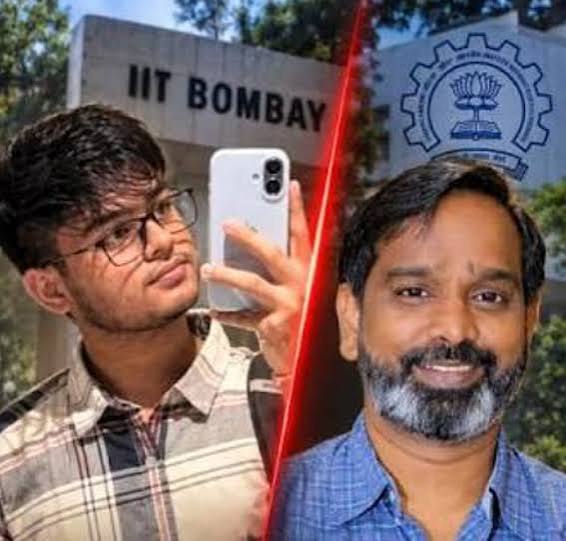
APPSC-IIT Bombay reiterated its demand for the resignation of Director Shirish Kedare and the immediate suspension of Professor Suryanarayan Dula. The organization stated that any form of state violence that attempts to suppress the fight for justice should be strongly condemned. Mumbai – The Mumbai Police and the institute administration are continuously taking action against students, activists, and parents demanding justice for the suspicious death of Sahil Wakode at IIT Bombay. The Ambedkar Periyar Phule Study Circle, a student collective affiliated with the institute, has strongly condemned the police’s repressive approach in this sensitive matter. Attempts have been made to suppress the protests outside the main gate since September 18th through illegal detentions and the use of force. Progressive organizations allege that the state machinery and the institute administration are colluding to suppress the movement. On October 14th, several progressive organizations, under the banner of India Against Casteism, called for a “Chalo IIT Bombay” protest. A six-member delegation sought permission to meet the Director and demanded an impartial investigation into the matter and accountability for spreading false narratives and promoting a media trial. The delegation was met with excessive force by the police. Several student activists were seriously injured. The delegation later met with the Director and submitted a letter reiterating their demands for a fair investigation and accountability. On October 18th, exactly one month after Sahil’s death, the Institute resorted to police action against the students. This incident clearly demonstrates the Institute’s attitude. The Institute had made its position clear on the circumstances of the death even before any independent investigation. Those demanding justice are being met with swift and strict action, while accountability remains delayed within the Institute. Protesters say that the Institute administration is as sluggish in its investigation of the death as it is in suppressing dissent. On October 25th, several progressive organizations called for a peaceful candlelight vigil at Chaityabhoomi. Mumbai Police detained some people before the march even began. Around 50 people were detained from Chaityabhoomi and taken to the Worli, Bandra, and Tardeo police stations. After 6 p.m., women protesters were also brutally detained. Ordinary citizens were also detained without any clear reason. Despite this police action, people were able to hold a march in memory of Sahil and reaffirm their resolve to continue the fight for justice. Sahil’s parents, Ravindra and Sonali Wakode, have been on an indefinite hunger strike at Azad Maidan since September 28th. They too have been repeatedly harassed and detained several times. Upon arriving in Mumbai on October 19th, they refused to accept their son’s body until Professor Suryanarayan Dolla was arrested. Subsequently, senior Mumbai Police officials pressured them to change their mind. When they returned to Mumbai after the funeral in Yavatmal, the police kept them in isolation for two days. During this time, even their family members were unable to reach them. The parents repeatedly requested permission to visit the IIT Bombay campus, but were denied each time. On October 18, he was detained inside the campus. He faced multiple rounds of detention and constant harassment even for seeking permission to hold a peaceful protest at Azad Maidan. After 6 p.m., the police would take him away, sometimes dropping him off at the roadside instead of home. Several progressive organizations, including the APPSC, have strongly condemned these incidents. They say this is an example of caste dominance within the state and institutions. Police preventive actions turn any gathering into a protest. The police seem to be deciding who can gather at places like Chaityabhoomi. The organizations allege that higher educational institutions are acting as “death machines” for marginalized students. When this reality is publicly highlighted, both the state police and the institution administration resort to repression. APPSC has unequivocally demanded the resignation of Director Shirish Kedare and the immediate suspension of Professor Suryanarayan Dula. The organization has stated that any form of state violence that attempts to suppress the fight for justice must be strongly condemned. The protesters are reiterating their resolve to continue the fight for justice for Sahil Wakode. They say that raising voices against historical injustice and opposing current social exclusion is part of the fundamental spirit of democracy. FIR and Investigation Progress Following a complaint from Sahil’s father, the Powai police registered an FIR against the accused, Professor Suryanarayan Dulla, under the charges of harassment and caste discrimination (SC/ST Act and abetment to suicide). Given the seriousness of the case, the investigation was later transferred to the Mumbai Police Crime Branch. The Crime Branch has so far recorded statements from over 40 people, including the institute’s director, relevant professors, classmates, and teachers. The main accused, Professor Suryanarayan Dulla, was interrogated rigorously for approximately eight hours. In his statement, the professor denied all allegations against him. Police are examining CCTV footage of the examination hall and the records of the institute’s SC/ST Cell. Additionally, the police are attempting to recover data from Sahil’s locked iPhone to gather digital evidence. Concurrent with the police investigation, the IIT Bombay administration has removed the accused, Professor Suryanarayan Dulla, from his position as Dean of Administration and placed him on leave. The institute has also formed a committee to conduct an internal investigation into the matter. Sahil’s parents are currently not fully satisfied with the police investigation so far, as the accused professor has not been arrested, and are preparing to approach the Bombay High Court demanding a fair investigation. Geetha Sunil Pillai Courtesy: Hindi News
Won the election but was deprived of her rights for four and a half years: Learn what happened to a Dalit woman, a Tamil Nadu panchayat president.
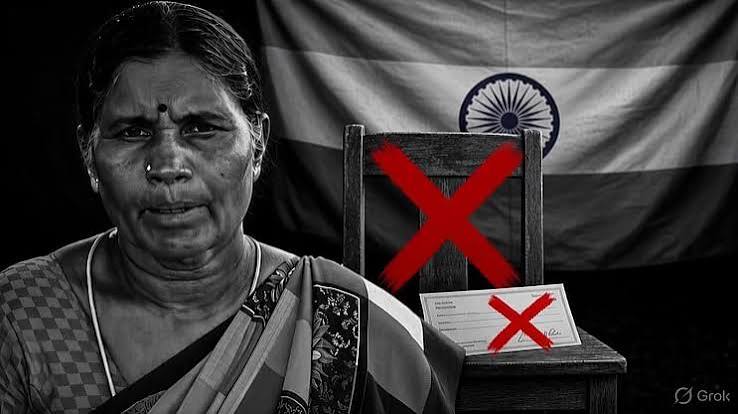
On August 31st, Malarvizhi arrived at the Villupuram Collectorate with her petition and attempted to set herself on fire. Villupuram – A Dalit woman is in the news these days, alleging that despite being elected as panchayat president, she was denied rights such as the chair, office keys, hoisting the flag, and signing checks. Malarvizhi, the president of the Kodungal Panchayat in Villupuram district, Tamil Nadu, belongs to the Scheduled Caste and was elected in 2021. She alleges that she was not allowed to sit on the chair, was prevented from entering the office and hoisting the national flag, and was obstructed from exercising administrative powers. Alleging caste discrimination, Malarvizhi says she was prevented from participating in panchayat-related work for nearly four and a half years. Hurt by this treatment, she attempted to set herself on fire at the Villupuram Collectorate on August 31st. The police stopped her from setting herself on fire, after which she was allowed to submit her application to the collector. What is the whole matter? Malravizhi was elected Panchayat President in 2021. She alleges that Kathavarayan, a local DMK official known to her husband, persuaded her to contest the election. She was initially hesitant, but later went ahead. She had no idea what lay ahead. Despite being the Panchayat President, she was unable to perform her duties due to lack of check signing authority. She was sidelined, and other people took over the Panchayat’s public works. According to a TNM ground report, Malaravizhi complained to the Tehsildar that she was not allowed to work, hoist the national flag, or handle the office keys, and requested permission to sign checks. After nearly four and a half years of persistent discrimination, she was finally allowed to sit in the President’s chair, received the office keys, and hoisted the tricolor. However, her demands for the right to sign checks and pass resolutions remained unfulfilled. According to local media reports, Malarvizhi accused Vice President Muniyammal and her brother Kathavarayan of obstructing her independent decisions through their influence on other elected members. Whenever she attempted to exercise her authority, she was threatened with removal from office through a no-confidence motion. Payments for public works completed under her leadership were withheld. Instead of taking action on her complaints, officials allegedly advised her to “settle” with the accused. She also alleged that she was pressured to accept alleged commissions of over 10 lakh rupees for MNREGA work. On August 31, Malarvizhi arrived at the Villupuram Collectorate with her petition and attempted to set herself on fire. Police intervened before she could do so, and she was subsequently allowed to file another petition demanding an investigation. She demanded restoration of her rights, release of payments for completed works, and an investigation into those accused of discrimination, intimidation, and interference. District Collector Sheikh Abdul Rahman stated that the district administration has empowered him to sign checks. He also stated that upon providing proper evidence of caste discrimination, the Deputy Superintendent of Police will file a case and take action. Cases of Caste Discrimination in Tamil Nadu Even Earlier 2022: In a survey conducted by the Tamil Nadu Untouchability Eradication Front (TNUEF) in 24 districts, many Dalit Panchayat presidents were not even allowed to hoist the national flag. According to an IANS report, Dalit presidents were denied seats in 22 of the 386 panchayats surveyed. 2020: In Attupakkam village, Tiruvallur, V. Amritham, a Scheduled Caste president, was prevented from hoisting the tricolor on Independence Day. Five days later, she hoisted the flag in the presence of the Collector and Superintendent of Police. The vice-president’s husband and the Panchayat Secretary were arrested. Terku Tittai village: President S. After a photo of Rajeshwari sitting on the ground went viral, a case was filed against the Vice President and Secretary under the SC/ST Act. In Maharashtra, a Dalit woman Sarpanch’s husband was murdered due to political rivalry. Cases of discrimination against Dalit women Sarpanchs are not limited to Tamil Nadu; in 2018, a high-profile case of the murder of the Sarpanch’s husband occurred in Parwa village, Yavatmal district, Maharashtra. In April 2015, Nalini Mahesh Gawande, belonging to the Buddhist (Dalit) community, was elected as a member of the Parwa Gram Panchayat. Following the passage of a no-confidence motion against the then Sarpanch in January 2016, Nalini Gawande became the Sarpanch from the general category. Some influential and upper-class members of the village were unhappy with a Dalit woman becoming the Sarpanch from the general category. This political and caste rivalry deepened her conflict with another faction in the village. As a result of this rivalry, in 2018, Mahesh Gawande, the husband of Sarpanch Nalini Gawande, was brutally murdered in broad daylight in the village. This incident sent shockwaves throughout the Yavatmal district. Geetha Sunil Pillai Courtesy: Hindi News
‘Tata is being criminally destroyed’: Rahul Gandhi targets PM Modi, Amit Shah amid boardroom feud

NEW DELHI: Congress leader and Lok Sabha leader of opposition Rahul Gandhi on Wednesday accused the Modi government of allowing the Tata Group to be “criminally destroyed”, amid an escalating dispute between Tata Trusts and Tata Sons over the reappointment of N Chandrasekaran as chairman.In a post on X, Rahul Gandhi criticised business leaders for remaining silent over the developments and accused the government of treating Indian businesses as its own. “Tata is being criminally destroyed, and no business leader dares say a word. How long will you stay silent? Until they own you? Indian business is not Modi and Shah’s plaything. You lack courage. We don’t. We will ensure justice for these crimes,” Rahul wrote on X. Rahul Gandhi’s remarks come after Noel Tata, chairman of Tata Trusts, challenged the resolution to reappoint Chandrasekaran as Tata Sons chairman for another five years beyond February 2027. The resolution was passed at a board meeting on September 17. According to people familiar with the matter, Noel wrote to Tata Sons company secretary Suprakash Mukhopadhyay on Monday, arguing that the reappointment was void because it was not included in the meeting’s agenda. The meeting was reportedly meant to discuss a briefing from the nomination and remuneration committee. Noel, who heads Tata Trusts, which owns around two-thirds of Tata Sons, had opposed Chandrasekaran’s reappointment during the board vote. Venu Srinivasan, the other Tata Trusts nominee on the Tata Sons board, supported the resolution alongside the majority. The dispute between Tata Sons and Tata Trusts has also extended to the proposed listing of Tata Sons on the stock market. Noel has opposed the move, arguing that a listing could dilute the philanthropic mission of Tata Trusts and expose the group to market volatility. Tata Sons’ board has favoured a listing in line with guidance from the Reserve Bank of India for systemically important non-banking financial companies. The disagreement has prompted both sides to examine their directors and officers liability insurance coverage in anticipation of possible legal proceedings. However, neither side has filed a lawsuit against the other or made a claim under the policies so far. Emails sent to Tata Sons and Tata Trusts seeking comments on the reappointment dispute did not receive an immediate response. Courtesy : TOI Note: This news is originally published on https:/timesofindia.com/bha and is used purely for non-profit/non-commercial purposes, especially human rights
Bound to be ‘tamasha’ over my book: Sonia Gandhi
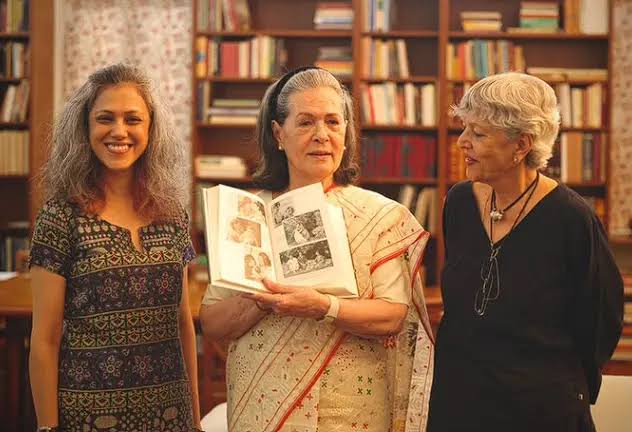
NEW DELHI: Congress parliamentary party chairperson Sonia Gandhi Tuesday said her upcoming autobiography ‘Belonging’ is set to kick up public drama, since people have their views about her. In an Instagram post, she said, “There is bound to be tamasha when this book comes out. After all, others have spent decades telling my ‘story’, now it’s my turn.” She said a lot has been written about her that was either invented or exaggerated. “So, it gave me the feeling of being able to now put down my story and describe facts and things as they really were… People have different views, some may change their views about me and some people’s views may become worse. But it is what it is. That’s what happens when you write a book or when you are in public life.” Sonia also left a teaser: “When my husband was asked to become PM, which I was totally against…” Courtesy : TOI Note: This news is originally published on https:/timesofindia.com/bha and is used purely for non-profit/non-commercial purposes, especially human rights
‘Leader Is Bulldozing’: Kharge, Nadda Lock Horns Over TMC MP’s Speech In Rajya Sabha
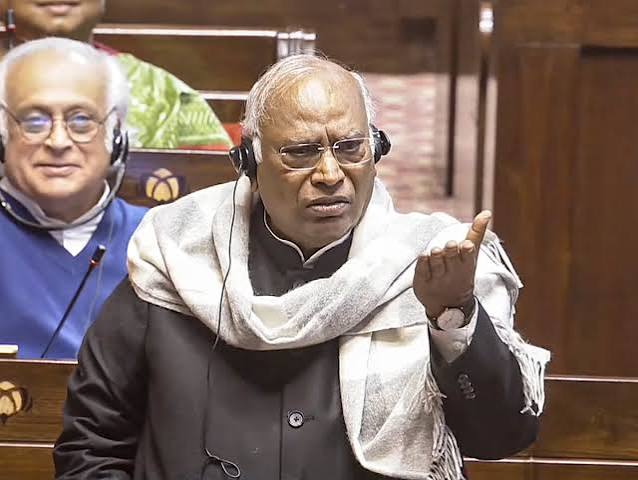
A heated argument erupted in the Rajya Sabha after TMC MP Dola Sen raised the Home Affairs Ministry’s directive to rename all Raj Bhavans as Lok Bhavans. Sen claimed neither Parliament nor state governments had been consulted. Tensions rose when she began mentioning other issues, including MGNREGA, leading the Chair to intervene and rule that off-topic remarks would not be recorded. Leader of the House JP Nadda objected to the deviation, insisting only comments related to the Lok Bhavan issue should remain on record. Chairman CP Radhakrishnan supported this view. Opposition leader Mallikarjun Kharge defended Sen, arguing she had not spoken anything unparliamentary and accusing the government of “bulldozing” and suppressing debate. Nadda denied the accusation, maintaining he sought only procedural discipline.Rea Courtesy : TOI Note: This news is originally published on https:/timesofindia.com/bha and is used purely for non-profit/non-commercial purposes, especially human rights
Transgender protesters remove clothes, hurl abuses at police on busy Jhansi road; 5 held

JHANSI: More than half a dozen transgender persons staged a protest on a busy road near Jhansi’s Police Lines on Saturday evening, allegedly removing their clothes, using abusive language and raising slogans against the police. The protest lasted over an hour and disrupted traffic in the area. Five people were arrested and produced before a remand magistrate on Sunday. — jhansipolice (@jhansipolice) According to reports, the protest stemmed from a long-standing dispute between two groups of transgender persons over the allocation of areas where they work. Members of the two groups have clashed several times in the past. On Saturday evening, members of both groups gathered near the Police Lines and began protesting on the road amid heavy rush-hour traffic. The protesters were seen pulling down their clothes, running on the road, raising slogans against the police and using abusive language. They later blocked both sides of the road with police barricades, bringing traffic to a halt. They also clashed with commuters, while police personnel struggled to bring the situation under control. At the time of the protest, a high-level crime review meeting was underway at the Senior Superintendent of Police (SSP) office. After considerable efforts, the police brought the situation under control and arrested five people. SP City Preeti Singh said the arrested accused were Anshika alias Abhishek, a leader of one of the groups; her mother, Mamta; Russian Kinner; Pooja; and Balbir alias Babli. All five have been booked under Sections 151(2), 285, 296, 293, 121(1), 132, 221 and 223 of the Bharatiya Nyaya Sanhita (BNS). Courtesy : TOI Note: This news is originally published on https:/timesofindia.com/bha and is used purely for non-profit/non-commercial purposes, especially human rights