
‘Control disguised as concern’: Women share their experiences after Rahul Gandhi’s Instagram appeal

NEW DELHI: Congress MP and Lok Sabha Leader of Opposition Rahul Gandhi has asked women across the country to share what being an Indian woman means to them, seeking responses on their experiences, struggles, dreams and the challenges they face. In an Instagram video, Gandhi posed the question: “What does it mean to be an Indian woman?” “I want to know how you feel. Not society’s voice, not your family’s, but what does your own voice say?” he said, asking women to share their struggles, obstacles, perspectives and dreams. He also shared some of the responses he received, many of which highlighted experiences of control, patriarchy, discrimination and social expectations. Rahul Gandhi’s Instagram story ‘Constantly facing control disguised as concern’ One woman said she was “constantly facing control disguised as concern”, while another spoke about how paper leaks, unaffordable colleges and academic difficulties could push women towards early marriage. Another response said: “Patriarchy killing dreams, moral policing and being threatened for expressing.” Several women spoke about being unheard, overworked and misunderstood. One response read: “Unheard, compromising, misunderstood, made fun of, abused, weak, overworked but called devi.” Another said women “don’t get to choose how we want to spend our life.” Fear, struggle and sacrifice also emerged as recurring themes, with one woman describing herself as “somebody’s daughter, somebody’s wife” and saying women are marginalised. ‘From childhood, told you have to go to another home’ Some responses focused on the expectations placed on women from childhood. “Bachpan se yaad dilana ki tumhe kisi aur ke ghar jana hi hoga aur usi hisab se hume palna,” one woman wrote. Another spoke about restrictions on clothing, saying women are told they cannot wear certain clothes because “the men might lose control.” Other responses raised concerns over healthcare and governance, with one woman saying she felt “oppressed by the govt, & society” and that women were provided poor medical facilities. Gandhi says exercise helped him understand women’s experiences Gandhi said the idea came while his team was preparing material for his upcoming ‘Chhatron Ki Goonj’ programme, which is aimed at women. He said he asked women in his team to share their thoughts on being an Indian woman, including how society treated them, as well as the positive and negative experiences they had. The exercise, he said, helped him understand their experiences to some extent. “My team decided, why not open this up to everyone and make it accessible?” Gandhi said, inviting women attending the programme as well as those watching it to share their own experiences. Rahul Gandhi’s Pune event Gandhi is scheduled to participate in the ‘Chhatron Ki Goonj’ programme in Pune. The event received permission from the Maharashtra government subject to 30 conditions. The programme is being positioned as a platform for women to share their experiences and perspectives, with Gandhi now seeking responses from a wider audience ahead of the event. Courtesy : TOI Note: This news is originally published on https:/timesofindia.com/bha and is used purely for non-profit/non-commercial purposes, especially human rights
The women India continues to ignore
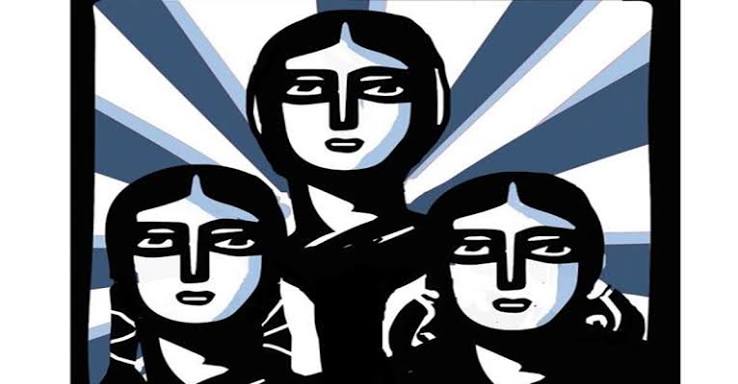
It is 76 years into the adoption of the Indian Constitution. However, the fundamental promises of equality and dignity remain elusive for many communities – none more so than Dalit women. What is even starker is the sheer indifference of institutions towards their plight. This piece aims to highlight how the understanding of “women” does not mechanically encompass Dalit women and accentuate the underlying forces that precludes the empowerment of women from the most downtrodden sections of Indian society. The year 2024 will long be infamous for the gruesome rape and murder of a young doctor at the RG Kar Medical College in Kolkata. It rightfully sparked nationwide outrage and sustained public mobilisation. Yet around the same time a 14-year-old Dalit girl was gang raped, mutilated and murdered in Bihar’s Muzaffarpur district for refusing a marriage proposal from the prime accused. The alleged perpetrator was a 45-year old man from the dominant Yadav caste. Her story barely entered the national consciousness. The paradox is an uncomfortable reality: in India, violence against women does not evoke equal public concern. The visibility of a victim’s suffering is often mediated by caste. When there were nationwide candlelight marches and protests across the country against rape of Nirbhaya in 2014, Dalit scholars mourned the lack of similar uproar by the nation against the Khairlanji atrocity. In 2006, Surekha Bhotmange and her three children were brutally attacked and killed by dominant-caste villagers in Maharashtra’s Khairlanji village, after she resisted encroachment on her land. The dominant castes dragged Surekha, her daughter and two sons out of their home, paraded naked, raped and lynched them. Burnt charcoals were inserted into the private organs of the women. Most horrifyingly, the perpetrators included participation of Caste-Hindu women. However, it was more than a week before the Khairlanji massacre received coverage in the print media. When India’s speaks of women’s rights, it often collapses all women into a single box. In the meanwhile, it ignores the distinct and compounded forms of suppression endured by lower-caste women. The tragedy is – Dalit women are invisible not because they are women but because they sit at the intersection of caste, gender and poverty. The Nation’s selective outrage and Yashika Dutt Lower-caste women are raped in what appears to be more of an organised and systemic way. Dalit women are raped whenever they or the men of their community are seen as transgressing the caste hierarchy as evidenced by the Khairlanji rapes and murders in 2006 and the prevalent devadasi/jogini practices (temple prostitution). Dalit women experience caste violence aimed at controlling and monitoring their sexuality as their bodies are symbols of honour and caste authority and their exploitation has been justified by their lower social status. Dutt has noted – “every time a Dalit woman is assaulted, abused, raped or murdered, her caste matters. Even if she was not raped simply because she is Dalit, the conditions that lead to her assault are almost always affected by her status as lower-caste woman in an upper-caste male-dominated society”. Unfortunately, this is palpable in the context of public outrage – rapes, and murders of Dalit women rarely make headlines. This closely resonates with the mainstream media’s conspicuous apathy in covering the struggle for the most basic human rights in Manipur. The refusal of institutions to recognise the dehumanizing ordeal of Dalit women compounds psychological harm. Coverage of caste-based sexual violence is often episodic, with sustained public attention reserved for only a handful of extreme cases – the Hathras case of 2020 being one of them – where a 19-year old Dalit girl was gang raped and murdered in Uttar Pradesh’s Hathras district. The erasure of caste trauma from public discourse compels survivors to internally bear harms that are rooted in structural discrimination and require collective reckoning. The accounts and experiences of the Dalit women get obscured within the folds of the dominant narratives. The Protectors Are Perpetrators The Constitution guarantees equality, dignity and protection against caste discrimination. Yet Dalit women continue to experience sexual violence not merely because of social prejudices (to which the Indian female population is generally subjected to) but because the very foundational institution of the criminal justice system systematically fails them. As very little information or government data concerning the particular situation of Dalit women in India is available, I will rely on the commendable ground work done by the People’s Archive of Rural India (PARI) and the Swabhiman Society. Many incidents of sexual violence and rape against Dalit women that should be registered under the Scheduled Castes and Scheduled Tribes (Prevention of Atrocities) Act are not recorded as such by the Police. This has been attributed to political pressure seeking to project a decline in caste-based atrocities in order to exhibit their purported commitment to the appeasement rhetoric of cracking down on caste-based atrocities. Survivors of sexual violence, Dalit women and girls are silenced through threats by dominant castes. The constitutionally invalid Khap Panchayats often have an upper hand in refraining the victim families to report such instances. The most precarious fact about violence against lower caste women is the complicity of the administration. The police, a part of the state machinery, has been reported to decline the registration of complaints. Charges are not filed because the case is designated as false by the police. The authorities often belonging to the dominant upper caste shout caste-based slurs and sexist remarks. They take money from the financially influential accused persons and direct the evidence in their favour. In the Hathras Rape case in 2020, the girl’s brother testified that no arrest was made by the police even after 10 days of the incident was reported. A 15-year-old Dalit girl who was gang raped by security personnel in Odisha was incessantly threatened, harassed and lured by the police to say that she had not been raped by security personnel but by other local persons. When she refused to put up with the falsehood, her medical examination was re-done to obliterate any
A Dalit woman who went to the fields to defecate was raped and murdered, her body thrown into a well.
In Raichur, Karnataka, a Dalit woman was raped and murdered. She had gone out to defecate when the accused attacked her with lust. After the murder, the accused threw her body into a well. Police have detained the suspects and begun questioning them, and are awaiting the post-mortem report. A tragic and shameful incident has come to light from Raichur district, Karnataka. A Dalit woman was first raped and then brutally murdered in Hokarani village, Sirwar taluka. The deceased is said to be 21 years old. After the rape, the accused threw her body into a well. According to reports, the woman had gone out to defecate when the accused, who were lying in wait, attacked her. When she did not return home for a long time, her family began searching for her. The woman’s body was later recovered from a well in the village. Upon receiving information about the incident, local police arrived at the scene and began investigating. Acting swiftly, the police identified some suspects and took them into custody. Police are currently interrogating the arrested suspects to uncover the full truth of the incident. Awaiting the Postmortem Report A senior police officer stated, “In the case of the girl who was raped and murdered, we are still confirming whether it was rape or gang rape. The situation will become clear only after the postmortem report is received.” A Suspect Confirmed The officer further stated, “We have identified and arrested the suspects. One of them has been confirmed as the main suspect. The investigation is ongoing, so it would be inappropriate to comment further at this stage. The deceased was 21 years old, and the incident occurred when she had gone outside to relieve herself.” Sagay Raj Courtesy: Hindi News
Dalit girl molested and assaulted: Family reaches SP office demanding arrests

A case of molestation and assault of a Dalit girl has come to light in the Mursan police station area of Hathras. The victim’s family, accompanied by social activist Sunita Singh, reached the Superintendent of Police’s office and demanded the immediate arrest of the named accused. They allege that despite a case being registered, the police have yet to make any arrests. The girl’s mother stated that the incident occurred around 11:30 a.m. on August 14th. She was walking with her approximately 15-year-old daughter to the highway to collect fodder for animals. It is alleged that Sanjay (son of Shyam Fauji, resident of Baguli) and Arjun (resident of Turi), who were on a scooter, stopped her daughter. It is alleged that Arjun tried to grab the girl’s hand and pull her away. After she let go, the accused pulled her scarf, causing her to fall on the road. The woman alleges that the two young men then stopped the scooter, approached her daughter, and began molesting her. The teenager sustained injuries and began bleeding. When her mother raised an alarm, people nearby rushed to the scene, after which the two accused fled. They also threatened her as they left. Upon receiving information about the incident, police arrived at the scene and the injured teenager was admitted to the Mursan Community Health Center. Based on the victim’s complaint, the Mursan police station has registered a case against the named accused under relevant sections. The victim’s family alleges that despite the case being filed, the accused have not been arrested. They have demanded that higher authorities immediately arrest the two named accused and take necessary legal action so that the victim and her family can receive justice. In this regard, CO Sadabad JN Asthana stated that efforts are being made to arrest the accused. Courtesy: Hindi News
Dalit Women Attacked, Denied Entry At Odisha Temple; NCSC Summons Collector, SP
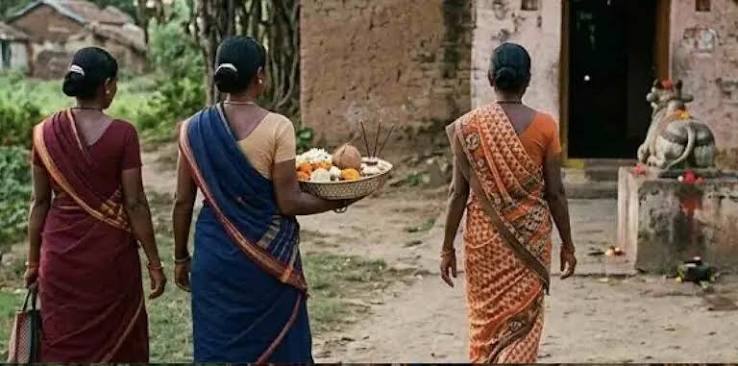
Bhubaneswar: The National Commission for Scheduled Castes has initiated suo motu proceedings into an alleged incident in which a group of Dalit women were barred from entering a Shiva temple in Odisha’s Jagatsinghpur district.Andhra Pradesh news The statutory body intervened following media reports detailing the August 10 altercation at Atimati village under Erasama police limits when a group of women from the Dalit community had visited a local Shiva temple to perform traditional rituals and offer holy water on the auspicious occasion of Shravan Somvar. Discover soft, comfortable and stylish shoes for you. Loose‑cut, skin‑friendly fabrics, perfect for daily wear, gatherings and casual shoes. The Commission has issued summons to the Jagatsinghpur district collector and the SP, directing them to submit a detailed action-taken report within three days. The required documentation must detail the exact number of arrests made, the date and number of any chargesheet filed, compensation provided to the victims, and other steps taken in the matter. The collector and SP have been asked to appear either in person or through authorised representatives. The Commission has indicated that failure to respond within the stipulated period could lead it to exercise the powers of a civil court conferred upon it. According to reports, several villagers carrying sticks allegedly blocked the entrance and prevented the women from entering the temple. The victims alleged that they were subjected to abusive and casteist remarks and threatened with violence if they did not vacate the area. When the women stood their ground, the villagers reportedly threw their bhog offerings to the ground. During the confrontation, one of the accused is alleged to have attacked one of the women with a knife, causing serious injuries. Following the assault, the women were forced to leave without offering prayers and subsequently lodged a complaint against eight individuals at the local police station. Following which, police registered cases under relevant provisions of the Bharatiya Nyaya Sanhita and the Scheduled Castes and Scheduled Tribes (Prevention of Atrocities) Act. Erasama police station IIC Parthsarthi Beura confirmed that police had received the NCSC notice and were taking steps to comply. He added that one accused had been arrested, and further investigation was under way. To ease tensions and uphold constitutional rights of access to public places of worship, police later facilitated the Dalit women in completing their darshan at the temple in the presence of officials. Additional police personnel were deployed in the village to maintain order, with authorities stating that the situation remained under control. Courtesy : Odisha Bytes Note: This news is originally published on https:/odishabytes.com/bha and is used purely for non-profit/non-commercial purposes, especially human rights
Amazing stories of the Chief Minister: The Dalit woman who became the Chief Minister of Uttar Pradesh for the first time with the support of the BJP. Learn the full story of 1995.
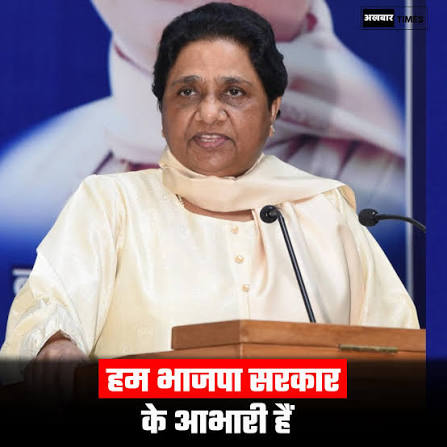
UP CM’s amazing kisses, Mayawati’s BJP support: Mayawati is a prominent figure in Uttar Pradesh politics. There are many stories related to her political life that are still discussed today. But there is one incident when the political equations changed in just one day and it took her to the position of Chief Minister of Uttar Pradesh. In 1995, after the alliance with the Samajwadi Party broke, the BJP supported Mayawati. On June 3, she took oath as Chief Minister and became the first Dalit woman Chief Minister of Uttar Pradesh. So, in ‘Amazing Stories of the UP CM’, read the entire fascinating story of Mayawati becoming the Chief Minister of Uttar Pradesh for the first time with the support of the BJP. Mayawati’s First CM Story: Mayawati’s name needs no introduction in Uttar Pradesh politics. She has served as Chief Minister of Uttar Pradesh four times. But the most important milestone in her political journey was the year 1995, the year she became the Chief Minister of Uttar Pradesh for the first time. At that time, she was around 39 years old. Significantly, Mayawati’s government was formed with the support of the BJP. She took the oath of office as Chief Minister on June 3, 1995. With this, she became the first Dalit woman Chief Minister of Uttar Pradesh. This alliance between the SP and BSP had broken. Subsequently, with the support of the BJP, Mayawati’s path to power was paved. In this part of “Amazing Stories of UP CMs,” read the entire story in detail, when a Dalit woman became the Chief Minister of Uttar Pradesh with the support of the BJP, bringing about a major change in the state’s politics. Mayawati Entered Politics with Kanshi Ram Mayawati’s political journey was not easy. During her studies and employment in Delhi, she met Kanshi Ram. Kanshi Ram inspired her to enter politics. Mayawati then entered active politics with the Bahujan Samaj Party. Kanshi Ram founded the Bahujan Samaj Party in 1984. Mayawati gradually became a prominent face of the party. She began to be recognized as a vocal leader of the Dalit community, particularly in the Dalit community. Mayawati won the Bijnor seat in the 1989 Lok Sabha elections. After this, her name began to rise rapidly in national politics. UP’s politics changed in 1993 Now the story turns to the 1993 assembly elections. At that time, the BJP had emerged as the dominant force in UP. However, Mulayam Singh Yadav and Kanshi Ram joined forces after the elections. The Samajwadi Party and the Bahujan Samaj Party formed a government together. Mulayam Singh Yadav became the Chief Minister, and Mayawati’s party became a partner in the government. However, this alliance between the two parties did not last long. Tensions between the two parties grew, and eventually the alliance broke. A major political turning point occurred on June 2, 1995 In 1995, a development occurred in UP politics that captured national attention. Mayawati decided to withdraw support from Mulayam Singh Yadav’s government. This completely changed the power dynamics in the state. Mayawati staked claim to form the government, but she lacked a majority on her own. This is where the BJP came into play. BJP Supports Mayawati At that time, the Bharatiya Janata Party decided to support Mayawati. With the BJP’s support, the path was cleared for Mayawati to become Chief Minister. On June 3, 1995, Mayawati was sworn in as Chief Minister of Uttar Pradesh. She became the first Dalit woman Chief Minister of Uttar Pradesh. This was a historic moment in Indian politics. A Dalit woman’s rise to the top position of power in the country’s largest state was a major political event in itself. Mayawati’s first term was short. For the first time, Mayawati failed to remain Chief Minister for long. Her government, formed with the support of the BJP, lasted only about four months. In October 1995, her government fell. Following this, President’s rule was imposed in Uttar Pradesh. However, in these few months, Mayawati demonstrated such political strength that she later became one of the most prominent leaders in Uttar Pradesh politics. The Politics of the BJP and the BSP Changed From Here This experiment of 1995 was not only significant for Mayawati. It also marked the beginning of a political relationship between the BJP and the Bahujan Samaj Party. In the following years, the two parties formed several alliances. Sometimes Mayawati became Chief Minister with the support of the BJP, and sometimes the BJP supported her government. This alliance is considered one of the most interesting political events in Uttar Pradesh politics during that period. Mayawati became Chief Minister four times again After 1995, Mayawati became Chief Minister of Uttar Pradesh three more times. She also became Chief Minister in 1997. After this, her government was formed with the support of the BJP in 2002. However, in 2003, the BJP withdrew its support, and her government collapsed. Subsequently, in 2007, Mayawati secured a majority on her own. This was the strongest phase of her political career. She formed a government with an absolute majority and completed a full five-year term. An alliance changed her entire political journey. Mayawati’s first Chief Ministership is also special because she came to power at a time when forming a government in Uttar Pradesh was difficult for any single party. On one hand, the Samajwadi Party and BSP alliance had broken down. On the other hand, the BJP had emerged as the most powerful political force. Meanwhile, the BJP’s support catapulted Mayawati to the position of Chief Minister. The same Mayawati, who became Chief Minister in 1995, later became a leader who surprised all political parties by forming a majority government in Uttar Pradesh in 2007. The woman who first assumed the Chief Ministership with the support of the BJP, a few years later, came to power on her own. This is the biggest and most interesting turning point in Mayawati’s political journey. Written by:Krishna.Pandey Courtesy: Hindi News
Villagers oppose Dalit womans as anganwadi helper

Shivamogga: A controversy has arisen at Mugadthi village, located under the Heddaripura GP near Ripponpete in Hosanagara taluk of Shivamogga district, following the appointment of a Dalit woman as an anganwadi helper. Some villagers refused to send their children to the centre following her appointment. Shivamogga DC Prabhuling Kavalikatti took the matter seriously and directed the department of women and child development to inspect the location immediately. Responding to the directive, child development project officer (CDPO) Gayatri Ramachandra, along with personnel from the Ripponpete police station, visited Mugadthi on Monday and convened a meeting with the residents to address the situation. She clarified that the recruitment was carried out strictly in accordance with govt regulations and legal merit criteria. She said children must not be deprived of health and educational facilities provided at the anganwadi. Local villager Gururaj, who is also the president of Mugadthi Balamuri Ganapathi Temple, denied any caste-based discrimination or opposition in the village, stating that residents from all communities live together in harmony. He suggested the matter arose from a misunderstanding or miscommunication and assured full cooperation for the welfare of the children. Courtesy : TOI Note: This news is originally published on https:/timesofindia.com/bha and is used purely for non-profit/non-commercial purposes, especially human rights
Two lovers arrested for murdering a pregnant woman: Rape and murder in Kanpur; body found in a mango orchard
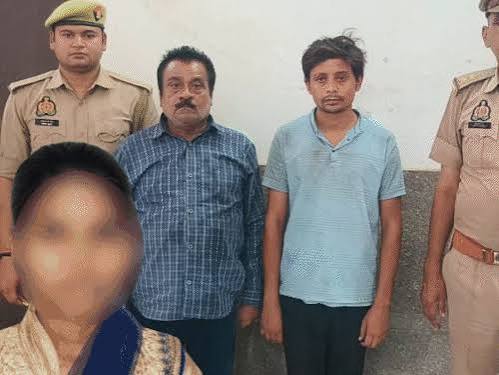
The accused of raping and murdering a Dalit woman in Ghatampur, Kanpur, have been arrested. The woman was found lying under suspicious circumstances in an orchard on the outskirts of the village. The post-mortem report confirmed that she was seven months pregnant. The doctor suspected rape and created a slide, while the DNA of the unborn child was also preserved. The report did not clearly state the cause of death. Based on the father’s complaint, Ghatampur police registered a case against the two lovers under serious sections. Subsequently, both lovers were arrested on Sunday and sent to jail. Police are investigating the incident. The woman had met Pranjul at her maternal home; they had been in contact for four years. Ghatampur ACP Krishnakant said that the body of the young woman, a resident of a village in the Ghatampur police station area, was found lying in a mango orchard on the outskirts of her village. Based on the father’s complaint, the police filed a report against Arvind, alias Gola Pandey, a resident of Patara, and Pranjul Pal, a resident of Naraini in Fatehpur district. Both were arrested, presented in court on Sunday, and sent to jail. During police interrogation, accused Pranjul revealed that his mother’s aunt’s house is in Hirni village, in the Ghatampur police station area. He used to visit his maternal grandmother’s house. He met the young woman there. The two had been in a relationship for about four years. He would often take time off to visit her. The young woman had taken money from him several times in the name of medical treatment. He also used to talk to the young woman to pass the time. He said he had no idea he would get trapped like this. Now he regrets talking to the young woman. Six years of continuous help, but now he regrets it. Arvind Pandey, alias Gola Pandey, a resident of Patara town, told police during interrogation that he used to lease his land to his father. He met the young woman while working in the field. Gradually, they began talking and he helped her a lot. He provided the girl with a scooter and money for her treatment. During this time, the girl told him she was seven months pregnant. He then took her to a hospital in Kanpur, where he introduced himself as the girl’s father and offered to treat her. The doctor, upon seeing the girl, refused to treat her. He then brought the girl to the outskirts of the village in an ambulance and told her to go home. He then returned home. When he learned that the girl’s body had been found that morning, he fled out of fear. He now regrets having helped the girl so much, but her family framed him for murder. ACP said: Both accused were produced in court and sent to jail. Ghatampur ACP Krishnakant stated that a murder case has been registered against both accused based on the father’s complaint in the girl’s murder case. Both have been arrested, produced in court, and sent to jail. Police are investigating the incident. Himanshu Tiwari | Kanpur Courtesy: Hindi News
Two arrested in connection with death of Dalit woman whose body was found lying in orchard
Kanpur Police arrested two persons in connection with the death of a Dalit woman in Ghatampur area of the city. The body of a 25-year-old Dalit woman was found lying in suspicious circumstances in an orchard on the edge of her village on August 13. The postmortem report confirmed that she was 7 months pregnant, police said. Doctors prepared slides citing the possibility of rape, and the DNA of the unborn child was also preserved. However, the report did not clearly determine the cause of death. On the basis of her father’s complaint, the Ghatampur police registered a case under serious sections against two men and arrested both on Sunday, producing them in court the same day and sending them to jail, said ACP (Ghatampur) Krishnakant. He said the case was registered against Arvind alias Gola Pandey, a resident of Patara, and Pranjul Pal, a resident of Naraini in Fatehpur district, for allegedly murdering the woman and dumping her body. Police said they were investigating the incident. During interrogation, accused Pranjul said that he had been in a love relationship with her for about four years, and used to meet her often. The woman would take money from him in the name of getting treatment. He would talk to her just to pass time and did not know that he would get trapped like this. He is now regretting talking to the woman, he said. Arvind Pandey alias Gola Pandey told the police that he used to meet the woman and helped her a lot, got her a scooty, and gave money for treatment. She later told him that she was 7 months pregnant, Pandey said. He said that he took her to a hospital in Kanpur, and introduced himself as the young woman’s father. The doctor refused after seeing her, after which he brought her by ambulance to the edge of the village and told her to go home. When he came to know in the morning that the young woman’s body had been found, he fled out of fear, he said. He said he now regrets that he had helped the young woman a lot, but her family members implicated him in the murder case. The ACP said that both lovers were produced in the court and sent to jail. ACP Krishnakant said that on her father’s complaint, a murder case was registered against two lovers, and both were arrested, produced in court, and sent to jail. Courtesy : TOI Note: This news is originally published on https:/timesofindia.com/bha and is used purely for non-profit/non-commercial purposes, especially human rights
Kanpur woman murdered, 7-months pregnant: Postmortem reveals suspicion of rape, murder case filed against two lovers
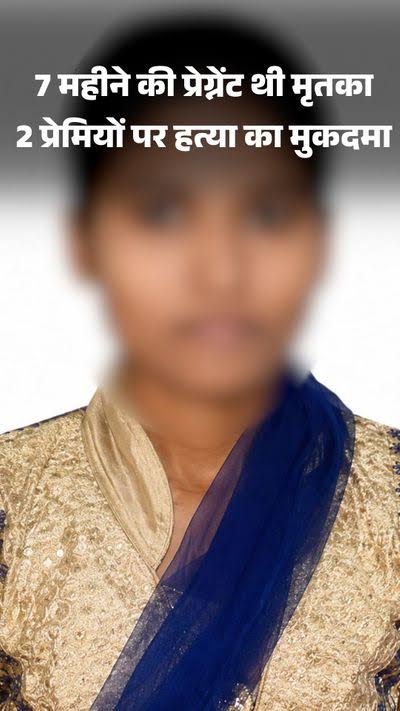
The postmortem report of a Dalit woman found under suspicious circumstances in a mango orchard in Ghatampur, Kanpur, has arrived. The report revealed she was seven months pregnant. Doctors suspected rape and prepared slides for examination, while the DNA of the unborn child has also been preserved. However, the postmortem report has yet to provide any answer to the cause of death. Based on a complaint filed by the woman’s father, police have registered a case against her two lovers under serious charges, including murder. Both accused are absconding, and the police are searching for them. Police are now attempting to solve the mystery using DNA reports, mobile phone data, and forensic investigations. Father accuses two young men of murder In his complaint to police, the father, a resident of a village in the Ghatampur police station area, stated that his 25-year-old daughter was in a love relationship with Gola Pandey, a resident of the village, and Pranjul, a resident of the city. According to the family, the girl had been living away from home for about a month. On Thursday morning, her body was found lying in a mango orchard on the outskirts of the village. The father alleged that the two young men murdered his daughter and dumped her body there. Ghatampur Inspector Manoj Singh Bhadoria stated that a case has been registered against both accused based on the father’s complaint, and they are being searched for. Key findings revealed in the post-mortem examination The post-mortem report, which arrived late Thursday evening, confirmed that the girl was seven months pregnant. According to the report, the DNA of the unborn child has been preserved for testing. Doctors have also preserved necessary samples (slides) to investigate the possibility of sexual assault. However, it has not yet been confirmed whether sexual assault occurred. This will only be confirmed after the forensic examination report is received. Cause of death still unclear The post-mortem report has not yet determined the cause of death. Therefore, the viscera and other examination reports are awaited. Police say that further action will be taken based on all scientific and forensic evidence. The police did not find the woman’s mobile phone or purse at the scene. Therefore, the investigation team is now examining her mobile number’s call details and location. Police hope the mobile number will reveal who the woman last contacted and her activities before the incident. The police are also examining call details and digital evidence. The post-mortem report has raised several new questions in the case. Police are now trying to determine how the woman died, how she reached the garden, and who was with her at the time of the incident. The investigating officer says that the entire case is being pieced together based on forensic reports, DNA testing, mobile call details, and other evidence. Police say that only after the investigation is complete will the true cause of death and the circumstances of the incident become clear. Himanshu Tiwari | Kanpur Courtesy: Hindi News