
Parliament passes Transgender Persons Amendment Bill, 2026 with Rajya Sabha approving it today
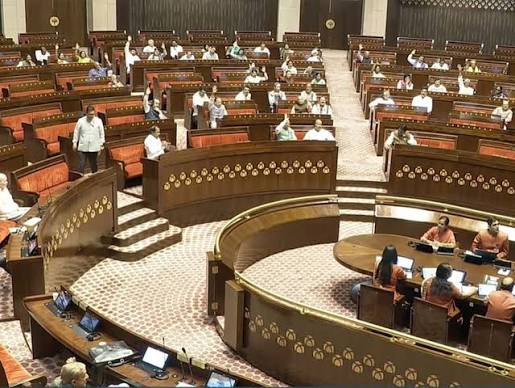
Parliament has passed the Transgender Persons (Protection of Rights) Amendment Bill, 2026, with the Rajya Sabha approving it today. The bill was passed by the Lok Sabha yesterday by a voice vote amid an Opposition-led walkout. The bill seeks to redefine the category of transgender, removes the provision of self-perceived gender identity and excludes several socio-cultural identities as well as transmasculine individuals from its ambit. It also further defines transgender persons within a biological framework, based on intersex variations and differences in sexual development. Replying to the discussion on the Bill in the Rajya Sabha, Social Justice and Empowerment Minister Dr Virendra Kumar said the government is compassionate towards the well-being of the transgender community. He said the Bill has provisions to empower the transgenders and give them dignity. The Minister said that the NDA government has taken several initiatives to bring transgender people to the mainstream and stop discrimination against them. Starting the discussion in the Upper House, Congress MP Renuka Chowdhury said this bill dilutes the privacy of an individual provided under the Constitution. Opposing the Bill, Ms Chowdhury said self-identification cannot be taken away through bureaucratic certification. Criticizing the government, she said that the proposed bill undermines the fundamental rights and dignity of transgender persons. Calling such a move wrong and illegal, she argued that forcing transgender persons to provide their identity through official certificates is against the spirit of equality and dignity guaranteed by the constitution. She also questioned the government’s approach for not properly consulting with the transgender community before bringing the Bill. She also referred to the Supreme Court’s landmark NALSA judgement of 2014, which recognized the right of transgender persons to self-identify their gender. Ms Chowdhury said the proposed Bill violates the principles laid down in that judgement and fails to respect an already established legal framework. DMK MP Tiruchi Shiva also opposed the Bill, saying that even if the Bill is passed in Parliament with a majority, it will be struck down by the Supreme Court. He further added that the Bill violates Articles 14, 15, 19 and 21 of the Constitution and it deprives the community of the right to freedom, dignity and self-determination. Supporting the Bill, BJP MP Medha Vishram Kulkarni said, ” This Bill ensures justice, dignity, protection from criminalisation and legal safeguards for transgender persons. She also thanked Prime Minister Narendra Modi for bringing this bill with certain amendments in order to ensure that the benefits reach the deserving people in a proper manner. She said there is a need for a law that brings justice to real transgender individuals and punishes fake ones. Mrs Kulkarni said the benefits should be extended to those who are transgender by birth. She said that the amendment to extend punishment will bring down the rate of crime and forced identities. TMC’s Saket Gokhale said that 31% of Transgender people in India have attempted suicide because of the discrimination that they are facing. He alleged that now the government is going to start discriminating against them as though social discrimination were not enough. He called it unacceptable. Mr Gokhale expressed concern that gender is going to be decided by the Chief Medical Officer and a District Magistrate, and the bill does not prescribe any qualifications for the Chief Medical Officer. Sanjay Singh of AAP said the Bill is a big let-down for the transgender community. He accused the government of not doing anything for the community. RJD’s Manoj Kr Jha said that prejudices against transgender people should stop, and they should be able to live with dignity. He added that self-determination of gender should not be taken away. CPI(M)’s John Brittas said it is a black-letter day and the Bill is taking India a century back. He pleaded with the government to either withdraw the Bill or refer it to a Select Committee. Jaya Bachchan of the Samajwadi Party also questioned the government over the legislation. She sought to know what the urgency was in bringing the Bill, without examining it with the depth and care that it deserved. Courtesy : NOA Note: This news is originally published on https:/newsonair.com/bha and is used purely for non-profit/non-commercial purposes, especially human rights
Transgender ID cards to remain valid till pleas against new law decided, Centre tells SC
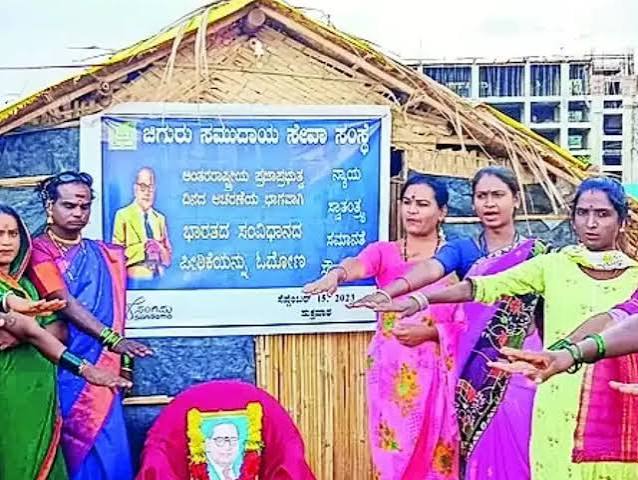
A Transgender Identity (TGI) card provides official recognition of a person’s self-identified gender and can be used to support changes to their name and gender across official records. The Centre on Monday told the Supreme Court that transgender identity cards issued before the enactment of the Transgender Persons (Protection of Rights) Amendment Act, 2026, would remain valid and would not be impacted by the new law. A Transgender Identity (TGI) card provides official recognition of a person’s self-identified gender and can be used to support changes to their name and gender across official records. The government’s transgender portal specifically states that it enables changes to name and gender in official documents. “I have taken instructions. The TGI ID cards issued earlier will continue to operate subject to the outcome (on the petitions),” Solicitor General Tushar Mehta told a bench comprising Chief Justice of India Surya Kant and justices Joymalya Bagchi and V Mohana during the hearing of a batch of petitions challenging the 2026 amendment. The amendment has been challenged, among other grounds, for taking away the right to self-identification of gender that was recognised under the Transgender Persons (Protection of Rights) Act, 2019. There were around 15 petitions challenging the validity of the amended law. The Solicitor General also said that the Centre will file its response to the petitions. The bench recorded the submissions of the top law officer and fixed the pleas for final hearing after three weeks. On Monday, senior advocate Jayna Kothari, appearing for one of the petitioners, urged the bench to direct restoration of transgender identity cards that had already been cancelled. The bench, however, said it could not issue a general direction on the issue and asked the petitioners to file applications bringing individual cases before it. Kothari also sought protection for persons who had already applied for transgender identity cards and were awaiting their issuance. The bench said it would await the Centre’s reply affidavit before considering the issue. Senior advocate Rajiv Shakdhar, appearing for another petitioner, supported the submission, saying that the balance of convenience was in favour of the petitioners and that benefits already available to transgender persons should not be disturbed. Justice Bagchi said that the court would have to examine such issues on the basis of facts and circumstances of individual cases. Senior advocate Arundhati Katju submitted that the 2019 law was founded on the principle of self-identification of gender. She said that benefits flowing from the parent legislation should not be discontinued merely because of the 2026 amendment. Another advocate raised concerns over disruption of medical services for transgender persons who are currently undergoing treatment. Kanmani, a transgender advocate practising before the Madras High Court, highlighted possible disruption of welfare benefits and other essential services. Senior advocate Anand Grover submitted that some states had issued transgender identity cards on the basis of the Supreme Court’s 2014 judgment in NALSA v. Union of India, rather than under the 2019 legislation, and argued that such cards should also not be affected. The top court had earlier stayed proceedings in petitions pending before various high courts challenging the 2026 amendment after the Centre sought their transfer to the apex court. During the previous hearing on August 3, the bench had orally observed that the amendment could not take away rights already accrued to individuals. The bench had said that it would take up all the pleas challenging the constitutional validity of the 2026 law for final hearing on August 17. On May 4, the bench had raised concern over the possibility of persons masquerading as transgender to avail government schemes. It had sought responses from the Centre and others on the pleas challenging the validity of the new law. On March 25, Parliament passed a bill to amend the law on the protection and rights of transgender persons, which excludes social orientations from the ambit of the statute. It received the President’s assent on March 30. The Act provides for graded punishment based on the gravity of harm inflicted on such people. The petitioners have referred to the apex court’s 2014 judgement which had upheld the transgender persons’ right to decide their self-identified gender. The verdict had directed the Centre and the states to grant legal recognition of their gender identity such as male, female or third gender. One of the pleas filed in the apex court has sought a declaration that the right to self-identification of gender, as recognised by the top court in the 2014 verdict, is a fundamental right under Article 21 that “no legislation may make conditional upon bureaucratic certification, medical procedure, surgical intervention, or any clinical gateway of the State’s choosing”. It has also sought a direction that all certificates of identity lawfully obtained by transgender persons under the Transgender Persons (Protection of Rights) Act, 2019, prior to the commencement of the amendment Act, shall remain valid and shall not be invalidated, revoked or rendered ineffective. The plea said that rights and entitlements flowing from those certificates should continue in full force. Courtesy : TNIE Note: This news is originally published on https:/thenewindianexpress.com/bha and is used purely for non-profit/non-commercial purposes, especially human rights
Parliament passes Transgender Persons Amendment Bill, 2026 with Rajya Sabha approving it today
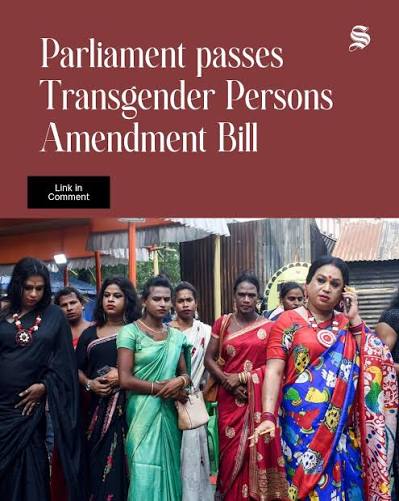
Parliament has passed the Transgender Persons (Protection of Rights) Amendment Bill, 2026, with the Rajya Sabha approving it today. The bill was passed by the Lok Sabha yesterday by a voice vote amid an Opposition-led walkout. The bill seeks to redefine the category of transgender, removes the provision of self-perceived gender identity and excludes several socio-cultural identities as well as transmasculine individuals from its ambit. It also further defines transgender persons within a biological framework, based on intersex variations and differences in sexual development. Replying to the discussion on the Bill in the Rajya Sabha, Social Justice and Empowerment Minister Dr Virendra Kumar said the government is compassionate towards the well-being of the transgender community. He said the Bill has provisions to empower the transgenders and give them dignity. The Minister said that the NDA government has taken several initiatives to bring transgender people to the mainstream and stop discrimination against them. Starting the discussion in the Upper House, Congress MP Renuka Chowdhury said this bill dilutes the privacy of an individual provided under the Constitution. Opposing the Bill, Ms Chowdhury said self-identification cannot be taken away through bureaucratic certification. Criticizing the government, she said that the proposed bill undermines the fundamental rights and dignity of transgender persons. Calling such a move wrong and illegal, she argued that forcing transgender persons to provide their identity through official certificates is against the spirit of equality and dignity guaranteed by the constitution. She also questioned the government’s approach for not properly consulting with the transgender community before bringing the Bill. She also referred to the Supreme Court’s landmark NALSA judgement of 2014, which recognized the right of transgender persons to self-identify their gender. Ms Chowdhury said the proposed Bill violates the principles laid down in that judgement and fails to respect an already established legal framework. DMK MP Tiruchi Shiva also opposed the Bill, saying that even if the Bill is passed in Parliament with a majority, it will be struck down by the Supreme Court. He further added that the Bill violates Articles 14, 15, 19 and 21 of the Constitution and it deprives the community of the right to freedom, dignity and self-determination. Supporting the Bill, BJP MP Medha Vishram Kulkarni said, ” This Bill ensures justice, dignity, protection from criminalisation and legal safeguards for transgender persons. She also thanked Prime Minister Narendra Modi for bringing this bill with certain amendments in order to ensure that the benefits reach the deserving people in a proper manner. She said there is a need for a law that brings justice to real transgender individuals and punishes fake ones. Mrs Kulkarni said the benefits should be extended to those who are transgender by birth. She said that the amendment to extend punishment will bring down the rate of crime and forced identities. TMC’s Saket Gokhale said that 31% of Transgender people in India have attempted suicide because of the discrimination that they are facing. He alleged that now the government is going to start discriminating against them as though social discrimination were not enough. He called it unacceptable. Mr Gokhale expressed concern that gender is going to be decided by the Chief Medical Officer and a District Magistrate, and the bill does not prescribe any qualifications for the Chief Medical Officer. Sanjay Singh of AAP said the Bill is a big let-down for the transgender community. He accused the government of not doing anything for the community. RJD’s Manoj Kr Jha said that prejudices against transgender people should stop, and they should be able to live with dignity. He added that self-determination of gender should not be taken away. CPI(M)’s John Brittas said it is a black-letter day and the Bill is taking India a century back. He pleaded with the government to either withdraw the Bill or refer it to a Select Committee. Jaya Bachchan of the Samajwadi Party also questioned the government over the legislation. She sought to know what the urgency was in bringing the Bill, without examining it with the depth and care that it deserved. Courtesy : NOA Note: This news is originally published on https:/newsonair.com/bha and is used purely for non-profit/non-commercial purposes, especially human rights
‘Say no to addiction’: In striking avatars, transgender activists stage colourful awareness drive in Mumbai
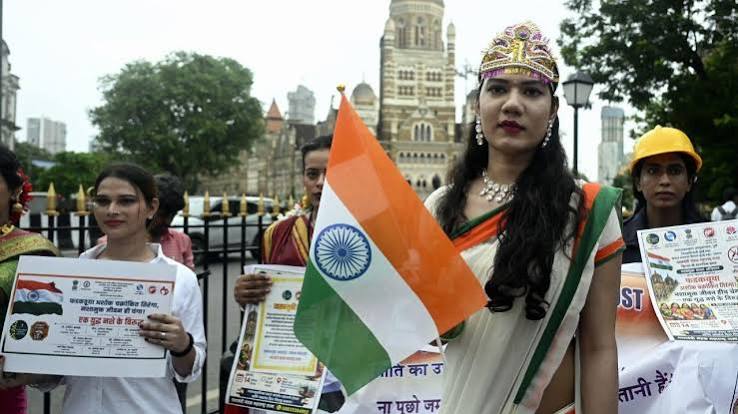
Members of Kinnar Ma Trust, in association with the Maharashtra State Nashabandi Mandal (Anti-Liquor/Prohibition Board), staged a peaceful anti-addiction awareness drive outside the BEST depot near Chhatrapati Shivaji Maharaj Terminus (CSMT) in Mumbai on Friday. Dressed in distinctive avatars, including Bharat Mata, a doctor, an engineer, an advocate and a tribal character, the participants campaigned against alcohol and tobacco use and raised awareness about addiction and de-addiction. Divya Nair Courtesy : Mid-Day Note: This news is originally published on https:/mid-day.com/bha and is used purely for non-profit/non-commercial purposes, especially human rights
Odisha among top states in trans rehabilitation, lags in beggar rehabilitation
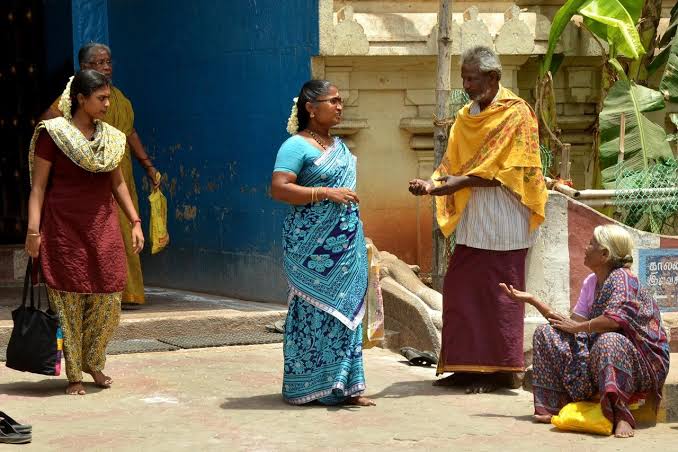
Bhubaneswar: Odisha has emerged as one of the better-performing states in the Centre’s rehabilitation programme for transgender persons, with 81 beneficiaries rehabilitated through Garima Grehs, even as its rehabilitation of people engaged in begging remains relatively modest compared with several other states. According to a Lok Sabha reply by Union minister of state for social justice and empowerment, B L Verma, as many as 1,041 transgender persons have been rehabilitated through Garima Grehs across 17 states/UTs under the Comprehensive Rehabilitation for Welfare of Transgender Persons component of the Centre’s Support for Marginalised Individuals for Livelihood and Enterprise (SMILE) scheme over the last three years. Odisha’s 81 beneficiaries account for nearly 8% of the national total. Garima Greh provides shelter to transgender persons with amenities like food, medical care, yoga, meditation and recreational facilities. Besides, it provides support for the capacity-building/skill development and counselling to transgender persons. At the state level, Odisha has the fourth-highest number of transgender persons rehabilitated under the programme. Maharashtra tops the list with 211 beneficiaries, followed by Chhattisgarh with 100 and West Bengal with 82. The Centre has established 23 Garima Grehs in 17 states/UTs, including one in Odisha, to provide shelter and rehabilitation support to transgender persons. The parliamentary reply also said Transgender Welfare Boards and Transgender Protection Cells have been established in Odisha, placing the state among those with institutional mechanisms for extending welfare support and protecting the rights of transgender persons. The picture, however, is different when it comes to rehabilitation of people engaged in begging. Since the beggary component of the SMILE scheme was launched on Oct 23, 2023, 10,446 persons have been rescued and rehabilitated across the country. In Odisha, Puri recorded the highest number of rehabilitated persons at 111, followed by Bhubaneswar with 103 and Cuttack with 74. The Centre has also released funds for implementing the rehabilitation programme at six locations in Odisha. Cuttack received Rs 36.75 lakh, while Puri and Bhubaneswar received Rs 33.35 lakh each. Berhampur, Koraput and Angul were allocated Rs 14.61 lakh each, taking the total to around Rs 1.47 crore. The scheme seeks to address begging through a rehabilitation-oriented approach rather than merely removing people from public spaces, with a focus on skill development, livelihood support and social reintegration. For transgender rehabilitation, Odisha received Rs 31.41 lakh in 2025-26, compared with Rs 26.59 lakh in 2024-25. Officials in the state govt said that under the SMILE sub-scheme for people engaged in begging, while drives are on to identify more persons, existing beneficiaries are being provided skill development and livelihood opportunities through a convergence approach with various central and state govt programmes. Eligible beneficiaries have been provided skill training based on local demand and aptitude in trades such as carpentry, tailoring, cooking, gardening, security services, sanitation work and e-rickshaw driving, besides other vocational activities, the officials said. According to state-level data, 784 persons engaged in begging have been identified since Octo 2023, of whom, 288 have been rescued and rehabilitated. Of these, 78 have been provided wage-based employment opportunities, while self-employment support has been extended to another 100, officials said. Courtesy : TOI Note: This news is originally published on https:/timesofindia.com/bha and is used purely for non-profit/non-commercial purposes, especially human rights
Rajshri Deshpande on playing TRANS MAN in ‘Baapya’, reveals how conversations with trans friends shaped her performance: ‘Spent months talking and hearing their pain’
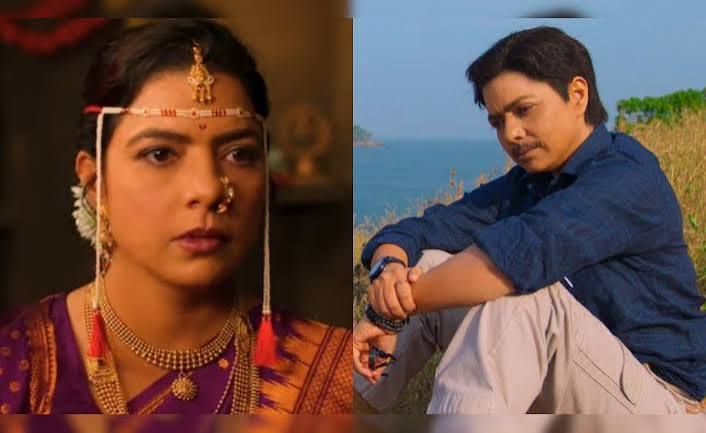
Rajshri Deshpande’s performance in the Marathi social comedy ‘Baapya’ has earned her recognition beyond India. The actor, who played a trans man in Sameer Tewari’s film, has now received a nomination in the Best Actor (Female) category at the upcoming Indian Film Festival of Melbourne. For Deshpande, however, the appreciation carries a deeper meaning because of the responsibility attached to portraying a marginalised community. Connecting with the character beyond the script Deshpande believes an actor’s real achievement lies in how audiences remember the characters they portray rather than the awards or popularity that follow. Speaking to Mid-Day, the actress shared, “People recognise me through my characters, and I think that’s true success of an actor. It cannot be measured by any award or how many likes you get,” smiled the actor, thrilled to have her performance recognised at a global platform. Her role in ‘Baapya’ required her to approach the transgender experience with sensitivity and authenticity. Deshpande plays Shailesh, who returns to his village after undergoing gender reassignment surgery, bringing his changed identity into a setting where acceptance and rejection exist side by side. Months of conversations helped shape Rajshri Deshpande’s performance To prepare for the part, Deshpande spent considerable time interacting with transgender friends and listening to their personal experiences. She wanted the character’s mannerisms and emotions to emerge naturally rather than rely on stereotypes. “When I was working on this film, I spent months talking to my trans friends, hearing their pain, how they hide their dreams to be seen. You have to walk that walk, [capture] the gaze, the voice, and every tiny detail, and most importantly, understand their stories of rejection as well as acceptance. My years of work with the community helped me.” The actor’s previous engagement with the transgender community also became an important foundation while approaching Shailesh. Her understanding of their lived experiences helped her explore the character’s emotional journey with greater depth. Rajshri Deshpande returns to learning Alongside her acting work, Deshpande is currently pursuing another long-standing ambition. She has enrolled in a Shakespeare course at London’s Royal Academy of Dramatic Art, commonly known as RADA. Explaining her decision to return to formal training, she said, “I have come here to study Shakespeare, something I wanted to do for years. I have enrolled in RADA to learn because I want to revive myself as an actor. I want to learn more tools, more about characterisation, and do better” For Rajshri, the course is an opportunity to sharpen her craft, explore new approaches to characterisation and continue evolving as a performer. Courtesy : TOI Note: This news is originally published on https:/timesofindia.com/bha and is used purely for non-profit/non-commercial purposes, especially human rights
A call to solidarity: Why queer movements need broader alliances

There is much to learn from the recent student-led protests, specifically the need for the queer community to build broader, cross-movement coalitions rooted in an organic politics of resistance. As young people took to the streets across India last month, asking for accountability and justice, it all felt familiar for the transgender community On March 13, when the Union Government tabled its amendments to the Transgender Persons (Protection of Rights) Act, 2019—the principal legislation governing the rights of transgender persons in India—in the Lok Sabha, the transgender community was rightfully outraged. Among other things, the Bill sought to narrow the legal definition of a transgender person, which would further bureaucratize the process of gender recognition, and, more worryingly, roll back key aspects of the rights to privacy, autonomy, and selfdetermination of gender as recognised by the Supreme Court in multiple prior judgments. What followed were weeks of public protests on the streets, consultations organised by queer rights groups, and press conferences led by leaders of the queer and transgender community. And yet, the Bill was passed barely two weeks later. Fast forward a few months, in May, groundwork was being laid for a movement that would go on to leave a stubborn mark on the country’s socio-political space. The Cockroach Janta Party (CJP) emerged as a social media page, a response to a derogatory remark directed at India’s unemployed youth. Initially centred on the 2026 NEET paper leak and demands for systemic education reforms, the movement moved beyond CJP to encompass broader concerns around youth unemployment. Lessons from recent protests Compared to the protests against the Transgender Persons (Protection of Rights) Amendment Bill, 2026, this movement has arguably been far more successful in achieving tangible political outcomes in a much shorter span of time. After weeks of sustained, multi-city protests, a prolonged sit-in at Jantar Mantar, and the moral support generated by activist Sonam Wangchuk’s indefinite fast, the protesters ultimately secured one of their principal demands: the resignation of the then-Union Education Minister, Dharmendra Pradhan, on July 25. They did so despite police crackdowns, internet shutdowns, online and offline harassment, and repeated attempts to suppress dissent. A significant reason for this success was the movement’s ability to build broad-based solidarities with people across regions, languages, age groups, professions, and, in some cases, even the political spectrum. The movement was no longer just about students; it instead became a broader struggle for transparency and accountability from the Union Government. To be clear, the queer community has frequently found itself on the receiving end of hostility and insults from leaders of various social movements, including this one. Former CJP spokesperson Vijeta Dahiya, while commenting on the 2026 amendments to the Transgender Persons (Protection of Rights) Act, remarked that “some rich folks bored with their purposeless existence want to identify themselves as a man on Monday, woman on Tuesday, gender-fluid and 86 other categories.” Such language not only trivialises the struggles of transgender people but also reinforces the very stereotypes they have long fought to dismantle. Despite this hostility, transgender and queer people continued to participate in the Jantar Mantar protests in Delhi and other cities. Need for better alliances This tension is not unique to the “cockroach” movement. Early iterations of the women’s movement in India similarly marginalised lesbian and bisexual women. Many feminists even today continue to espouse biological essentialist views that exclude transgender women from women’s spaces. Religious leaders in India, too, have remained largely hostile to queer issues, as have most mainstream political outfits. Given this history, the queer movement’s hesitation to build alliances with other social movements is somewhat understandable. And yet, this bridge needs to be crossed if the movement ever hopes to achieve meaningful political change in the near future. One way of doing so is by broadening the movement’s political imagination beyond issues largely seen as queer, and bringing them into conversation with ancillary debates around governance, rights, and democratic accountability for everyone. Take for example the passage of the Transgender Persons (Protection of Rights) Act 2026. While it directly affect transgender persons, the questions raised are far broader. If the State can, almost overnight, shrink the legal definition of transgender and roll back rights that had been recognised by the Supreme Court, what is to stop it from redefining other contested legal categories such as citizenship? The same is true of the struggle for same-sex marriage. Far from being only about gay rights, the issue was fundamentally about the freedom to choose one’s partner and to have that choice respected by the State. Those concerns should have resonated with live-in, interfaith, inter-caste, transnational, intergenerational, and countless other heterosexual couples in India who have faced similar familial and state interference in their relationships—across regions, generations, and political affiliations. And yet, for the most part, the same-sex marriage litigation was mostly seen as not just a “queer issue” but also an “urban elitist” one. So, where do we go from here? As many people in the country continue to celebrate Pradhan’s resignation, the queer community must pause for a moment and remember that building broader, cross-movement coalitions rooted in an organic politics of resistance will be necessary if meaningful change is to happen in the near future. Otherwise, the State will continue to dilute queer people’s rights as they keep fighting (mostly) alone. Kanav Narayan Sahgal (The author is a communications manager at Nyaaya, the Vidhi Centre for Legal Policy and can be reached at sahgalkanav@gmail.com) Courtesy : DH Note: This news is originally published on https:/deccanherald.com/bha and is used purely for non-profit/non-commercial purposes, especially human rights
Parliament passes Transgender Persons Amendment Bill, 2026 with Rajya Sabha approving it today
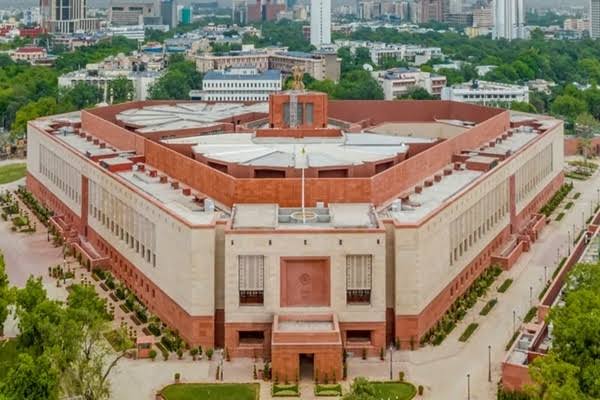
Parliament has passed the Transgender Persons (Protection of Rights) Amendment Bill, 2026, with the Rajya Sabha approving it today. The bill was passed by the Lok Sabha yesterday by a voice vote amid an Opposition-led walkout. The bill seeks to redefine the category of transgender, removes the provision of self-perceived gender identity and excludes several socio-cultural identities as well as transmasculine individuals from its ambit. It also further defines transgender persons within a biological framework, based on intersex variations and differences in sexual development. Replying to the discussion on the Bill in the Rajya Sabha, Social Justice and Empowerment Minister Dr Virendra Kumar said the government is compassionate towards the well-being of the transgender community. He said the Bill has provisions to empower the transgenders and give them dignity. The Minister said that the NDA government has taken several initiatives to bring transgender people to the mainstream and stop discrimination against them. Starting the discussion in the Upper House, Congress MP Renuka Chowdhury said this bill dilutes the privacy of an individual provided under the Constitution. Opposing the Bill, Ms Chowdhury said self-identification cannot be taken away through bureaucratic certification. Criticizing the government, she said that the proposed bill undermines the fundamental rights and dignity of transgender persons. Calling such a move wrong and illegal, she argued that forcing transgender persons to provide their identity through official certificates is against the spirit of equality and dignity guaranteed by the constitution. She also questioned the government’s approach for not properly consulting with the transgender community before bringing the Bill. She also referred to the Supreme Court’s landmark NALSA judgement of 2014, which recognized the right of transgender persons to self-identify their gender. Ms Chowdhury said the proposed Bill violates the principles laid down in that judgement and fails to respect an already established legal framework. DMK MP Tiruchi Shiva also opposed the Bill, saying that even if the Bill is passed in Parliament with a majority, it will be struck down by the Supreme Court. He further added that the Bill violates Articles 14, 15, 19 and 21 of the Constitution and it deprives the community of the right to freedom, dignity and self-determination. Supporting the Bill, BJP MP Medha Vishram Kulkarni said, ” This Bill ensures justice, dignity, protection from criminalisation and legal safeguards for transgender persons. She also thanked Prime Minister Narendra Modi for bringing this bill with certain amendments in order to ensure that the benefits reach the deserving people in a proper manner. She said there is a need for a law that brings justice to real transgender individuals and punishes fake ones. Mrs Kulkarni said the benefits should be extended to those who are transgender by birth. She said that the amendment to extend punishment will bring down the rate of crime and forced identities. TMC’s Saket Gokhale said that 31% of Transgender people in India have attempted suicide because of the discrimination that they are facing. He alleged that now the government is going to start discriminating against them as though social discrimination were not enough. He called it unacceptable. Mr Gokhale expressed concern that gender is going to be decided by the Chief Medical Officer and a District Magistrate, and the bill does not prescribe any qualifications for the Chief Medical Officer. Sanjay Singh of AAP said the Bill is a big let-down for the transgender community. He accused the government of not doing anything for the community. RJD’s Manoj Kr Jha said that prejudices against transgender people should stop, and they should be able to live with dignity. He added that self-determination of gender should not be taken away. CPI(M)’s John Brittas said it is a black-letter day and the Bill is taking India a century back. He pleaded with the government to either withdraw the Bill or refer it to a Select Committee. Jaya Bachchan of the Samajwadi Party also questioned the government over the legislation. She sought to know what the urgency was in bringing the Bill, without examining it with the depth and care that it deserved. Courtesy : NOA Note: This news is originally published on https:/newsonair.com/bha and is used purely for non-profit/non-commercial purposes, especially human rights
Indian-origin trans MSP Q Manivannan under fire after calling rape a ‘spectrum’ in viral podcast clip
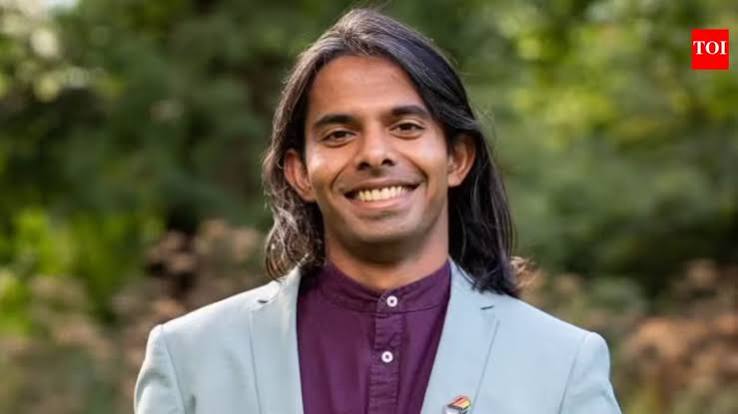
An Indian-origin transgender, non-binary Scottish Greens MSP has come under fire after a clip from a podcast interview recorded last year resurfaced on social media and went viral. Q Manivannan, who was elected to the Scottish Parliament in May, made the comments during an episode of The Subjective Space, a podcast hosted by Dr Sindhu Rajasekaran. The interview was recorded in February 2025, months before Manivannan entered Holyrood. In the clip circulating online, Manivannan discusses how society views rape and people who commit sexual offences. They argue that rape should not simply be understood through the image of a stereotypical “monster rapist” and question what circumstances could lead an individual to commit such a crime. Manivannan also said rape exists on a “spectrum” and argued that focusing only on extreme portrayals of offenders can limit deeper discussion about why such crimes happen. The remarks have since drawn criticism from politicians and social media users, with critics accusing the MSP of minimising the seriousness of rape. Scottish Greeens pervert Manivannan thinks rape is overly demonised as it is a spectrum. pic.twitter.com/Ag82MOzywl — Benjamin 🇬🇧🇺🇸 (@BProudPatriot) August 7, 2026 Who is Q Manivannan? Manivannan is an Indian-born Scottish Greens politician who identifies as a queer Tamil immigrant and uses they/them pronouns. They were elected on 7 May 2026 as an MSP for Edinburgh and Lothians East, becoming one of the Scottish Greens’ representatives at Holyrood. The Scottish Parliament lists Manivannan as a current MSP for the region. Before entering politics, Manivannan was a doctoral student in Scotland and has described their political work as focused on marginalised communities, social justice and environmental issues. Their election also attracted attention because Manivannan was living in Scotland on a student visa, which is due to expire later this year. They have said they are pursuing a new visa to remain in the UK. What did Manivannan say in the podcast? During the interview, Manivannan questioned the common idea that people who commit rape are fundamentally different from everyone else. They said the difficult question was understanding what conditions could cause “individuals like ourselves” to commit such an act. The comments were made while discussing the way rape and perpetrators are viewed by society. The podcast conversation was not recorded as part of Manivannan’s work as an MSP, as they had not yet been elected. Politicians criticise comments Scottish Labour MP Tracy Gilbert said she was “alarmed” by the remarks and rejected the suggestion that rape should be viewed as existing on a spectrum. She called on Manivannan to retract the comments and apologise, while also urging Scottish Greens leaders Gillian Mackay and Ross Greer to clarify that the remarks do not represent party policy. Reform UK MSP Senga Beresford also criticised the comments and called for Manivannan to be suspended while the party investigates. The controversy comes only months after Manivannan entered the Scottish Parliament following the Scottish Greens’ strongest-ever election result, when the party returned 15 MSPs. Courtesy : TOI Note: This news is originally published on https:/timesofindia.com/bha and is used purely for non-profit/non-commercial purposes, especially human rights
HC seeks compliance report from TN on rehabilitation scheme for transgenders
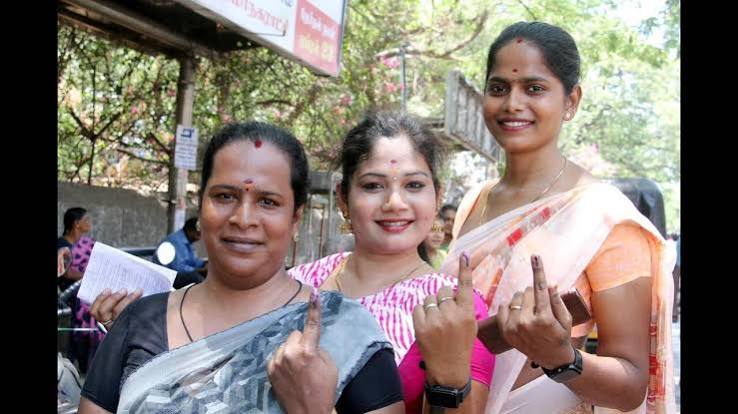
Madurai: Madras high court has directed Tamil Nadu chief secretary to file a compliance report to an order passed by the court directing the state to formulate a comprehensive rehabilitation scheme for transgender persons at the taluk level. In April, the court observed that members of the transgender community continue to face entrenched social stigma, resulting in deprivation of basic dignity and meaningful livelihood opportunities. Hence, the court directed the state to formulate a comprehensive rehabilitation scheme, ensuring avenues for self employment and sustainable livelihood and restoring dignity and ensuring meaningful inclusion of transgender persons in society along with necessary welfare schemes tailored to their specific needs. The court directed the chief secretary to coordinate with all relevant departments to ensure effective and time-bound implementation of the aforesaid measures. The court passed the order while hearing the anticipatory bail petition filed by a YouTuber, V Sarathkumar, who is to have published a video on digital media concerning an incident of self-immolation by a transgender within the precincts of Srivilliputhur Town police station in Virudhunagar district. When the case was listed before the court for reporting compliance, Justice K K Ramakrishnan took note of a status report filed by the state where there was no compliance of the directions issued by the court. Hence, the judge gave the direction to the chief secretary. Courtesy : TOI Note: This news is originally published on https:/timesofindia.com/bha and is used purely for non-profit/non-commercial purposes, especially human rights