
Deadly attack on tribal church leaders in Manipur: 3 killed, CM orders strict action

Three tribal church leaders were tragically killed in an ambush by militants in Manipur’s Kangpokpi district. Following the incident, tensions rose in the area, with organizations announcing a three-day shutdown, and the Chief Minister ordered strict action against the culprits. New Delhi: On the morning of Wednesday, May 13, 2026, suspected armed militants ambushed a group of tribal church leaders in Manipur’s Kangpokpi district. Three leaders were tragically killed and four others seriously injured in this horrific incident while they were returning from a Baptist convention in Churachandpur. Members of the Thadou Baptist Association of India (TBAI) and the United Baptist Council (UBC) were traveling in two separate vehicles. The attack occurred suddenly at around 10 a.m. on the hilly “Tiger Road” between Kotlen and Kotzim villages. This road connects the Kuki-dominated Churachandpur and Kangpokpi districts. Since ethnic violence broke out between the Meitei and Kuki-Zo communities on May 3, 2023, Kukis have been using this rugged route to avoid the shorter route through the Meitei-dominated Imphal Valley. An eyewitness who narrowly escaped the attack told security personnel that the attackers arrived on foot. They opened fire for about three to four minutes from a hilltop before fleeing. According to an official familiar with the matter, it is suspected that 8 to 10 armed men opened indiscriminate fire on both vehicles with automatic rifles like AK-47s. Those killed in this cowardly attack include TBAI President Reverend Vumthang Sitlhou, Finance Secretary Reverend Kaigoulun Lhouwum, and Pastor Paogoulen Sitlhou. The TBAI president recently led a delegation of Kuki Christian leaders to Nagaland to broker peace between the Kuki and Tangkhul Nagas in Manipur’s troubled Kamjong and Ukhrul districts. According to a statement issued by the Indian Army, joint teams of security forces immediately evacuated the injured to the nearest hospital and launched a massive search operation in the area. Three of the injured have been admitted to a private hospital in Imphal for treatment. Another person who managed to escape was later rescued safely from the hills. Several Thadou, Kuki, and Zomi organizations have called for a three-day “complete shutdown” in Kangpokpi, Churachandpur, and other districts to protest the incident. Manipur Chief Minister Yumnam Khemchand Singh strongly condemned the incident. He, along with Deputy Chief Minister Losi Dikho, Home Minister Govindas Konthoujam, and other MLAs, visited the hospital to inquire about the condition of the injured. The Chief Minister assured that the government would bear the full cost of their treatment. He sternly stated that such attacks, which undermine collective efforts to restore peace in the state, would not be tolerated and that the culprits, including their masters, would be punished. Immediately following the incident, the Senapati district unit of the United Naga Council claimed that residents of Leilon Vaiphei village had taken hostage approximately 20 Nagas from Konsakhul village. Meanwhile, the president of a Kuki village in the same Naga-dominated district appealed to the police to immediately release 23 Kuki laborers held hostage by locals. Chief Ministers of neighboring states have also expressed deep outrage over the massacre. Nagaland Chief Minister Neiphiu Rio, Meghalaya Chief Minister Conrad K. Sangma, and Mizoram Chief Minister Lalduhoma condemned the incident and urged the Manipur government to take immediate and strict action against those responsible. The Naga Legislature Forum of Manipur, comprising nine MLAs, issued a joint statement appealing for peace and demanding the release of all detained Kuki and Naga citizens. The Indigenous Tribal Leaders Forum (ITLF), Kuki Zo Council, Thadou Inpi Manipur, and the United Christian Forum of Northeast India (UCFNEI) also expressed deep condolences. UCFNEI spokesperson Alan Brooks said the killing of these peaceful leaders, who dedicated their lives to the spiritual upliftment of society, was an inhumane act. The attack has sparked a blame game in the state. Several extremist and fundamentalist groups, including the NSCN (I-M), ZUF, ZUF (Kamsan), Arambai Tenggol, and the Kuki National Army, are suspected of carrying out the attack. However, all these groups have categorically denied any involvement in the attack. Meanwhile, the Kuki Organization for Human Rights Trust (KOHURU) has directly alleged that the attack was a planned terrorist act carried out in collusion with the NSCN (I-M) and the ZUF. The trust states that the slain leaders were playing a key role in organizing peace talks and that this initiative was met with gunfire. Since February 2026, several violent clashes have occurred between Kuki and Tangkhul Nagas in Ukhrul and Kamjong, Manipur, resulting in numerous deaths and burning of homes. A Naga organization has expressed suspicion that some Kuki extremist groups may have carried out this attack to sabotage the Chief Minister’s peace initiative. The slain leaders were scheduled to have a special meeting with the Chief Minister on May 15th, prior to his visit to Churachandpur. Amidst these theories, security forces also believe that this could be a case of mistaken identity. A security official said it appears the attackers were unaware that church leaders were traveling in the vehicles. An intensive investigation is currently underway to identify the real killers. Rajan Chaudhary Courtesy: Hindi News
Family members carried the body 15 km on bicycles to the police station seeking justice; tribal family protests in Odisha!
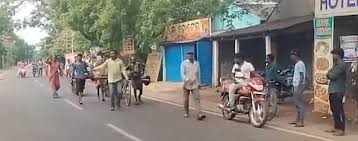
The family, demanding justice, said they were forced to carry the body to the police station so that their voices would be heard. On May 11th, a long-standing land dispute between two neighboring families in Haripur village, under the Khaira police station area of Balasore district, escalated into a violent dispute. A fight broke out during construction work, leading to members of one family attacking the other with shovels, spades, hammers, and sharp weapons. 39-year-old Kamala Sethi died on the spot, while her sister-in-law, Shakuntala Sethi, was seriously injured and admitted to SCB Medical College Hospital in Cuttack. The family alleges that the dispute has been ongoing for the past five years and they have complained to the police and the village head several times, but no action has been taken. Alleging delays in the arrest of the main accused despite the murder, the family brought the body home on Monday night and then carried it on bicycles, traveling approximately 12-15 kilometers to the Khaira police station on Tuesday. They staged a sit-in protest outside the police station, blocking the road, demanding the immediate arrest of the accused, compensation, and a resolution to the land dispute. Traffic was disrupted during the protest, and villagers also showed their support. The family alleges that three days have passed since the incident, yet the police have still not arrested the main accused. Angry family members carried Kamala Sethi’s body on bicycles and marched 15 kilometers to the Khaira police station. Senior officials, including Balasore Superintendent of Police Pratyush Diwakar, arrived at the scene. Police registered a case. One accused has been arrested, while two others are absconding and a search is underway. The police offered the family an ambulance, but the family continued their protest. The Superintendent of Police assured them that the remaining accused would be arrested soon, that an investigation was underway, and that action would be taken if any negligence was found on the part of the police. This incident has sparked widespread debate about police inaction, the resolution of pending disputes, and the law and order situation in rural areas. People expressed outrage after the video went viral on social media. The Tribal Army posted a clip of the incident, writing, “A tribal family in Balasore, Odisha, had to carry the body of a woman on bicycles for 15 kilometers to the police station to protest police inaction in a murder case allegedly related to a land dispute. This incident in Balasore district raises serious questions about law and order and police accountability. Will we now have to take a dead body out on the streets to get justice?” The family, demanding justice, said they were forced to carry the body to the police station to ensure their voices were heard. The administration has also assured a legal resolution to the land dispute. This case raises questions about police reforms and the rural justice system in the state. Geetha Sunil Pillai Courtesy: Hindi News
Allahabad HC seeks replies from CBI, ED, SFIO on plea alleging disproportionate assets against Rahul Gandhi
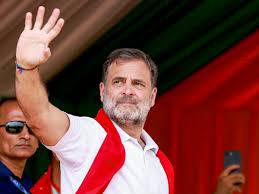
Court directs central agencies to respond within eight weeks; matter filed by BJP worker to be heard next on July 20. The Lucknow bench of the Allahabad High Court sought responses from multiple central agencies including the CBI and Enforcement Directorate (ED) in connection with the allegations of disproportionate assets against Congress MP from Raebareli and Leader of Opposition in Lok Sabha Rahul Gandhi. The court directed both the Central Bureau of Investigation (CBI), Enforcement Directorate (ED), and the Serious Fraud Investigation Office (SFIO), along with other departments concerned, to file their replies verifying the allegations levelled against Gandhi within eight weeks in a complaint submitted by Karnataka BJP worker S Vignesh Shishir. The court posted the matter for next hearing on July 20. The division bench, comprising Justice Rajesh Singh Chauhan and Justice Zafeer Ahmad, passed the order on Tuesday on a criminal writ petition moved by Shishir. During the in-Chamber hearing, counsel for the CBI informed the Court that the agency had received the petitioner’s complaint and would file a response within 8 weeks. Similarly, the counsel for the ED also informed the Bench that the ED had received the complaint and may verify the allegations. Thereafter, the progress, thereof, might be apprised to the Court. In Its four-page order, the bench observed that it was expected that if the complaint of the petitioner was received, the allegations of the complaint may be verified as per the law. “It is needless to say that the CBI or ED may take appropriate steps which are permissible under the law”, said the court. After hearing the parties and perusing the material on record, the Court directed all parties (including the newly-impleaded opposite parties) to file a response within eight weeks. The petitioner, appearing in person, also filed an application for impleadment vis-à-vis the Union of India through its Secretary, Department of Personnel and Training (DoPT); the Union of India through its Secretary, Department of Revenue, Ministry of Finance; and the Secretary, Ministry of Corporate Affairs. The petitioner apprised the Court that those departments were necessary parties and showed the reasons as to why they should be impleaded. Finding it proper, the Court allowed the impleadment application. Additionally, the Central Government Counsel informed the Court that he received oral instructions from the Director, Serious Fraud Investigation Office (SFIO). He requested some time to file a counter-affidavit regarding the contents of the writ petition, which relate to it. During the hearing, when petitioner Shishir was queried about the maintainability of the prayers in the petition, he referred to certain case laws and judgments to submit that he may seek those reliefs by filing a writ petition under Article 226 of the Constitution of India. The petitioner has alleged that Rahul Gandhi and members of his family possessed assets disproportionate to their declared income. The plea has sought an impartial investigation by central agencies into the allegations. The bench said that his submission would be tested after receiving the counter-affidavits of the respective parties and the rejoinder affidavits thereof. Furthermore, the Court ordered that the paper-book and the loose documents provided by the petitioner be kept in a sealed cover in terms of the earlier order. During the upcoming hearing, the court would first examine the maintainability of the petition — determining whether the plea is legally fit for detailed consideration. Further legal proceedings will depend on the outcome of that assessment Namita Bajpai Courtesy : TNIE Note: This news is originally published on https:/thenewindianexpress.com/bha and is used purely for non-profit/non-commercial purposes, especially human rights
Free accommodation and food, monthly pocket money included. Find out where and for whom these schemes are running.
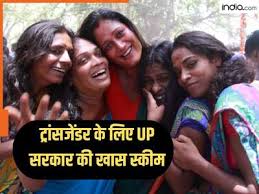
In 2021, a welfare policy was implemented for the Uttar Pradesh transgender community. The Uttar Pradesh Transgender Welfare Board was formed this year, responsible for monitoring the schemes. The BJP government of Uttar Pradesh Chief Minister Yogi Adityanath has taken another historic step towards social harmony and inclusive development in the state. Transgender people over the age of 60 will now have access to old-age homes. This will not only provide them shelter but also the opportunity to live a dignified and safe life. These transgender people will be able to live and eat for free in the old-age homes, and will even receive services such as pension, Ayushman Bharat cards, health checkups, and mental health counseling. In many cities, transgender people are no longer limited to traditional occupations but are also making their mark in education, politics, police, and social work. However, challenges such as discrimination, unemployment, and lack of social acceptance still exist. Despite this, members of the community continue to raise their voices for their rights and a dignified life. Welfare Policy Implemented in 2021 In 2021, the Uttar Pradesh Transgender Welfare Board was implemented. The Uttar Pradesh Transgender Welfare Board was established this year, responsible for monitoring schemes and other initiatives. The Yogi government has ensured that the transgender community in the state enjoys equal rights, dignity, and opportunities. Ongoing Registration Process Transgender people are being registered to connect them with government schemes. To ensure the safety and resolution of problems for the transgender community, the state government has established Transgender Protection Cells in every district. These cells are being operated under the supervision of the District Magistrate. What other facilities will transgender people receive? In these old age homes, transgender people will receive good food, regular health checkups, medication, medical health care, mental health support, and counseling services. Additionally, community activities, libraries, yoga, and meditation sessions will be conducted in these old age homes to maintain positivity in life. 1,067 transgender individuals have received ID cards so far. So far, 1,067 transgender individuals have been issued identity cards, making it easier for them to access government schemes. Additionally, 248 transgender students are receiving scholarships. What does the government say? Principal Secretary, Social Welfare, L. Venkateswar Lu stated that more schemes will be introduced for the transgender community in the future to promote their social, economic, and mental empowerment. Anjali Karmakar About the Author Anjali Karmakar has been active in the field of journalism for 12 years. She graduated in Economics from Banaras Hindu University and earned a Master’s degree in Mass Communication from the same university. Courtesy: Hindi News
Tumakuru rally likely to be transition point for Siddaramaiah govt amid leadership talk

Political analysts said that the event can be interpreted as a farewell to some ministers as Siddaramaiah is planning to visit Delhi soon to seek the approval of the party high command. BENGALURU: Karnataka Chief Minister Siddaramaiah-led Congress government’s big ticket rally on May 20, marking the completion of three years in office in Tumakuru is likely to be a transition point. The rally will be a shot in the arm for the Siddaramaiah camp, lobbying for his continuation as CM and expecting a reshuffle of the cabinet. The achievements of the government will be on full display, which is an attempt at image makeover to nullify any anti-incumbency. It has been happening after the Congress retained Davanagere South and Bagalkot assembly seats in the bypolls. With the rally organised in his home district, Home Minister Dr G Parameshwara, who is with the Siddaramaiah camp and is pitching for the the chief minister’s post under the Dalit quota, will score over Deputy Chief Minister DK Shivakumar, who has kept his hopes up on becoming CM as per a power sharing agreement arrived at soon after the party came to power in 2023. Parameshwara is ensuring that over two lakh people attend the rally in his own show of strength, though it is an official programme. Political analysts said that the event can be interpreted as a farewell to some ministers as Siddaramaiah is planning to visit Delhi soon to seek the approval of the party high command, especially Leader of Opposition in the Lok Sabha Rahul Gandhi, for a cabinet reshuffle after the Kerala chief minister issue is settled. During the rally, around 1.52 lakh beneficiaries will be presented with title deeds for their lands and houses under different schemes. When the government completed two years in office in 2025, Revenue Minister Krishna Byre Gowda had organised a similar event in Haveri. Gowda also claimed that several cases pending in the courts of tahsildars and the sub-divisional Officers have been disposed of. “For example, in May 2020, there were 10,774 expired cases pending in tahsildar courts in the state. By April 2026, these had been reduced to just Similarly, there were 73,624 expired cases pending in the courts of the sub-divisional officers. A majority of the cases have been disposed of, and only 7,721 cases are pending. This means 99.9% of pending cases in tahsildar’s courts have been disposed of,” he said. He also mentioned digitisation initiatives such as e-pauti, ‘podi’, to recognise hamlets as revenue villages. During the rally, title deeds will be issued to 2.2 lakh households. Devaraj B Hirehalli Courtesy : TNIE Note: This news is originally published on https:/thenewindianexpress.com/bha and is used purely for non-profit/non-commercial purposes, especially human rights
VD Satheesan to be Kerala’s next Chief Minister; celebrations erupt across the state
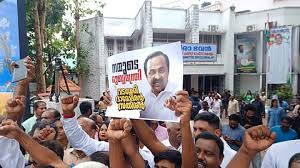
Speaking to reporters in New Delhi, KC Venugopal said he will provide all support to the CM and the UDF government in Kerala. Ending days of suspense and intense internal negotiations, the Congress on Tuesday officially named senior leader VD Satheesan as the next Chief Minister of Kerala. The announcement was made by AICC state in-charge Deepa Das Munshi in the capital, along with AICC general secretary Jairam Ramesh, observers Mukul Wasnik and Ajay Maken, among others. “The Congress Legislature Party had met in Thiruvananthapuram on May 7, 2026, and had unanimously resolved to authorise the Congress President to appoint the new leader of the CLP in the state of Kerala. Accordingly, the Congress President held extensive discussions with the Chairperson of the Congress Parliamentary Party, the Leader of the Opposition in the Lok Sabha, the AICC observers who met the newly elected MLAs on May 7, 2026, and many other leaders from the state, including MPs and former KPCC presidents. Based on all these discussions, it has been decided that VD Satheesan be appointed as the leader of the CLP,” said Das Munshi. The decision came after a nine-day deadlock involving a fierce three-way contest among senior leaders VD Satheesan, Ramesh Chennithala and AICC General Secretary (organisation) KC Venugopal. After the party High Command named Satheesan as the next Chief Minister, celebrations broke out across Kerala. Satheesan was at the Cantonment House in Thiruvananthapuram, the official residence of the Leader of the Opposition, when AICC leaders formally announced the decision in New Delhi. Minutes after the announcement, supporters erupted in celebration, bursting crackers and distributing sweets in several parts of the state. Paravur in Ernakulam district, the Assembly constituency represented by Satheesan since 2001, witnessed particularly grand celebrations, with party workers and residents taking to the streets to mark the occasion. Meanwhile, Congress general secretary (organisation) K C Venugopal said he accepts the party decision to select V D Satheesan as the chief minister of Kerala and congratulated him. Speaking to reporters in New Delhi, Venugopal said he will provide all support to the CM and the UDF government in Kerala. Citadel S2 delivers style; Daadi Ki Shaadi lacks spark _ RoughCut _ Kaveree Bamzai The announcement, originally scheduled in Thiruvananthapuram at the Congress Parliamentary Party (CPP) meeting, was moved to New Delhi at the last moment. Sources said the change came after senior party leader Rahul Gandhi held an extended meeting with AICC general secretary (organisation) K.C Venugopal, one of the top contenders for the Chief Minister’s post, in the morning. AICC general secretary Priyanka Gandhi was also present at the meeting. Party sources said the meeting was intended to reach a consensus among all factions before publicly announcing the decision. Rahul Gandhi and the party high command were keen to avoid an open confrontation between supporters of the three leaders, which could have weakened the party’s unity in the early days of the new government. The party reached the decision after multiple rounds of meetings with newly elected MLAs, former Kerala Pradesh Congress Committee (KPCC) presidents, working presidents, and senior state leaders. Satheesan, the former Opposition leader who spearheaded election campaigns and took a vocal stand against the Pinarayi Vijayan-led government, emerged as the consensus candidate. Sources said the leadership was mindful of his popularity across sections of society and his approachability, which tipped the balance in his favour. While Venugopal, considered a close confidant of Rahul Gandhi, enjoyed the support of a majority of Congress MLAs and MPs, Satheesan also had the backing of influential UDF allies, including the IUML. Although Venugopal appeared to be the frontrunner in the initial rounds, sources said the Satheesan camp gained an edge during the leadership’s final round of consultations. Senior leaders such as AK Antony, VM Sudheeran, and K Muraleedharan reportedly urged the leadership to take public sentiment into account, which favoured Satheesan. On Tuesday, Rahul Gandhi also held another round of phone calls with Congress MPs to gauge their views on the situation. It was learnt that Priyanka Gandhi, MP from Wayanad, also urged Rahul Gandhi to consider the prevailing political atmosphere before finalising the Chief Ministerial choice. Sources said the leadership was particularly concerned about the firm stand taken by the Muslim League, the UDF’s key ally, which openly supported Satheesan. The development put the leadership in a difficult position, as it anticipated setbacks in the upcoming bypolls and the 2029 general elections. At the same time, the party was keen to avoid the perception of yielding to pressure from its allies. Satheesan’s camp raised concerns that appointing Venugopal would force the UDF to face two by-elections, one to elect him to the Assembly and another for the Alappuzha Lok Sabha seat currently represented by him. According to them, such a move could be politically risky in the state at present. The Congress leadership had been facing mounting pressure to finalise a chief ministerial candidate following the May 4 Assembly election results, in which the party secured a historic mandate of 102 seats. The delay also exposed sharp internal divisions within the party and its allies. Preetha Nair Courtesy : TNIE Note: This news is originally published on https:/thenewindianexpress.com/bha and is used purely for non-profit/non-commercial purposes, especially human rights
Sikar News: ‘Entered the house and mistreated’, 10-15 people assaulted a Dalit woman
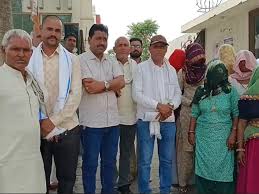
A case of assault and mistreatment of a Dalit family has come to light in Chatur Ki Dhani, Nangal, Gram Panchayat Dunga, Neemkathana area of Sikar district. The victim’s family and villagers demanded the immediate arrest of the accused from Prem Singh Bajor, Chairman of the Sainik Welfare Advisory Committee. Sikar News: Demand for action against the accused in the case of assault on a Dalit family in Chatur Ki Dhani, Nangal, Gram Panchayat Dunga, Neemkathana, Sikar district, Rajasthan. The victim’s family and villagers met with Prem Singh Bajor, Chairman of the Sainik Welfare Advisory Committee, and informed him about the entire incident. They also submitted a memorandum demanding the immediate arrest and strict punishment of the accused. Caste-based slurs were hurled at them. The victim, Santosh Devi, stated that she was working outside her house when about 10 to 15 people came and abused her and then assaulted her. They allege that the mine owner unnecessarily harasses them, hurling caste-based slurs at them, and assaulting them. Villagers reported that there is a mine in Dhani, where the mine owner brings in anti-social elements to assault and abuse Dalit women. They face unnecessary harassment on a daily basis. Assault on Women Today, they met with Prem Singh Bajor, Chairman of the Sainik Welfare Advisory Committee, regarding the incident of the mine owner summoning miscreants to assault women two days ago. The villagers stated that heavy blasting occurs on this lease, just 10 meters from the inhabited area, which has caused cracks in their houses and stones are thrown into their homes every day, posing a threat of loss of life and property. Furthermore, miscreants also engage in daily acts of bullying and abuse and assault in these lease areas. They even enter homes and misbehave and assault women. Incidents of assault against women were also reported on the 10th. A case was registered at the Patan police station. Edited by Sneha Aggarwal, Reported by Ashok Singh Shekhawat Courtesy: Hindi News
Tamil Nadu-born trans politician is now in Scottish Parliament. They went there on student visa
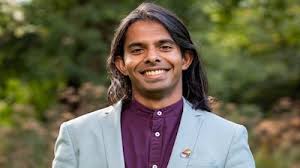
Q Manivannan hails from a lower-caste family in Tamil Nadu. They studied at OP Jindal Global University and completed their master’s degree in international peace studies in Dublin. New Delhi: Q Manivannan, a Tamil Nadu-born trans person, has been elected to the Scottish Parliament from the Scottish Green Party in the recent elections held on 7 May. Manivannan’s election marks a historic moment for representation in Scotland’s political landscape, particularly for the LGBTQ+ and immigrant communities, reported The Sunday Guardian. Mannivannan was also active in local Edinburgh politics before being elected to Holyrood as a Member of the Scottish Parliament (MSP). Their election is drawing attention since they have a student visa and were reportedly trying to raise £2,089 for a temporary graduate visa. Once they save up from their MSP salary of £77,711 per annum, they plan to apply for a global talent visa, which the UK offers to promising individuals. From India to Scotland Mannivannan studied at OP Jindal Global University, completed their master’s degree in international peace studies at Trinity College Dublin, and moved to Scotland in 2021 for doctoral research at the University of St Andrews. “I am a transgender Tamil immigrant, my pronouns are they/them. I am to some in this country everything that the hateful despise, and I am standing here as your MSP now with care,” Mannivan told the crowds at Edinburgh, reported The Telegraph. They added that they come from a lower-caste family in Tamil Nadu and had seen similar movements of resistance in Scotland. They said that they felt a strong connection with the region’s history of social and ecological justice. “I want to continue standing unwaveringly for solidarity for oppressed communities – whether its immigrants or asylum-seekers in Edinburgh… or suffering Palestinians,” Manivannan added. Visa woes Manivannan’s election was only possible after the Scottish National Parliament relaxed the rules around who could be a Holyrood candidate. Earlier, foreigners could become MSPs only if they were allowed to remain indefinitely in the UK. However, with the recent change in legislation, candidates can qualify for MSPs even with short-term visas, such as those of a student. “Q is on a valid visa with the right to work and live in Scotland, and is a Commonwealth citizen. The UK’s visa system is needlessly expensive and hostile, and we are determined to replace it with one that welcomes people with care rather than throwing up hurdles and barriers,” a Scottish Greens spokesperson told The Telegraph. Janaki Pande (Edited by Prasanna Bachchhav) Courtesy : The Print Note: This news is originally published on https:/theprint.com/bha and is used purely for non-profit/non-commercial purposes, especially human rights
NEET paper leak: Accused bought paper at Rs 10L, sold 10 sets for Rs 15L each
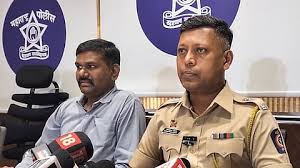
According to the Nasik police, the accused, who holds a Bachelor of Ayurvedic Medicine and Surgery degree runs a medical admission counselling centre in Nashik. MUMBAI: The Nashik Police arrested a 30-year-old youth on Tuesday in the NEET paper leak case. In the preliminary investigation, the police have discovered that the accused purchased the NEET question paper by paying rS 10 lakh and later sold it at rS 15 lakh per set to 10 people in different states. According to the Nasik police, the accused, who holds a Bachelor of Ayurvedic Medicine and Surgery degree, is a resident of the Nandgaon area in Nashik district and, along with some friends, runs a medical admission counselling centre in Nashik. The Nashik Police said, “The accused was arrested in Indira Nagar, Nandgaon, Nasik, on Tuesday noon. The accused had changed his attire and hairstyle to confuse the police. He bought the leaked paper at `10 lakh, and later, he made the 10 sets of it and sold each set for `15 lakh to students from other states through medical admission counselling centres.” It added that the paper leak network spanned Rajasthan, Maharashtra, Haryana, Andhra Pradesh, and Karnataka. The Nashik Police has decided to hand over the accused’s custody to a central probe agency. The Nashik Police said that the Rajasthan police had shared the accused’s details with them and further reference was obtained from social media. The police added that they are investigating if the accused operated in a network of agents. Sudhir Suryawanshi Courtesy : TNIE Note: This news is originally published on https:/thenewindianexpress.com/bha and is used purely for non-profit/non-commercial purposes, especially human rights
TM Exclusive: The Wall of Caste—A study exposing healthcare discrimination against Dalits in South Asia reveals why a caste census is necessary in India!
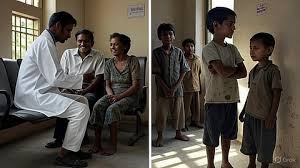
This study reveals that caste discrimination is a public health crisis. Despite Nepal’s ban on caste discrimination since 1962 and India’s affirmative action policies, implementation remains lacking. New Delhi—Amid preparations for India’s upcoming caste census, a study is worth discussing that exposes the deep-seated discrimination prevalent in South Asia’s healthcare sector. The study, conducted by researchers Raksha Thapa, Edwin van Teijlingen, Pramod Raj Regmi, and Vanessa Heaslip, was published in the Asia Pacific Journal of Public Health on May 24, 2021. It delved deeply into healthcare discrimination faced by Dalit communities, historically known as “untouchables,” in India and Nepal. This study, which analyzed nine research papers, demonstrated that socioeconomic inequalities and caste discrimination deprive Dalits of health services, affecting their health and quality of life. This study further strengthens the relevance of a caste census in India, which could be a crucial step towards understanding and addressing these inequalities. The Burden of Caste Dalits are neglected in health services. The caste system, a 3,000-year-old social structure, continues to perpetuate inequalities in social, economic, and health sectors in South Asia. While efforts have been made to eliminate it through legislation in India and Nepal, this study reveals that Dalit communities continue to face discrimination in health services. This study, which analyzed nine research papers conducted in India (seven studies) and Nepal (two studies) between 2000 and 2019, identified four main themes: Social stigma, 2. Poverty, 3. Cultural beliefs, 4. Access to health services. These themes highlight how Dalits, especially women, face social and economic barriers that severely impact their health. Key Findings of the Study Socioeconomic Inequalities and Health The study found that low socioeconomic status and low land ownership are directly linked to poor health outcomes for Dalits. Dalits have less access to education and good jobs, leading to lower household incomes. Due to low income and social discrimination, Dalits lack equal opportunities in the labor market, often limiting them to low-level jobs. Dalit Women Face Double Discrimination Dalit women face double discrimination not only due to their lower caste but also due to the lower status of women in Hindu society. These women face problems such as domestic violence, chronic illnesses, and lack of access to treatment beyond the local level. For example, Dalit women utilize antenatal care (ANC) services less than upper-caste women, which adversely impacts maternal and child health. Although access to ANC services is somewhat better among wealthier Dalit families, the combination of lower caste and poverty consistently leads to poorer health outcomes. Cultural and Social Barriers Cultural beliefs further exacerbate health inequalities. In many communities, Dalits are considered incapable of understanding health information, leading health workers to withhold crucial information. In some places, diseases are associated with ghosts and spirits, leading Dalits to rely on traditional remedies rather than modern medicine. This limits their access to and understanding of health services. Discrimination in Healthcare All nine studies confirmed that caste influences access to health services. In Uttar Pradesh, only 19% of Dalits suffering from chronic diseases receive treatment, as high costs, long travel times, and untrained health workers hinder them. In Nepal, weak health infrastructure and a lack of skilled staff disproportionately affect Dalits. Furthermore, Dalit health workers, such as auxiliary nurse midwives, face humiliation from colleagues and patients, which undermines their ability to provide care. Poverty and Social Stigma The Dilemma of Dalits The study found that poverty is a major barrier to accessing healthcare for Dalits. Most Dalits live below the poverty line and rely on low-paying jobs, such as manual labor or basket weaving. They are unaware of free healthcare services or government programs, and when they seek treatment, they are often charged exorbitant fees by unlicensed practitioners. Borrowing money to cover medical expenses is common, trapping them in debt. Social stigma also affects Dalit health. They are not allowed to enter upper-caste homes, sit with them, or share food and water. This discrimination is evident not only in social life but also in healthcare, where health workers avoid touching Dalit patients. Mental health problems among Dalits are often attributed to ghosts, leading them to resort to treatments like exorcism rather than modern medicine. Dalit Women Are the Biggest Victims of Discrimination The most vulnerable Dalit women are the biggest victims of this discrimination. Due to their low caste and gender, they are at greater risk of problems like malnutrition, anemia, and maternal mortality. The study found that approximately 70% of Dalit women are illiterate, making them unable to understand and access health systems. Economic dependence on men, limited mobility, and domestic violence further reduce their access to health services. For example, Dalit women often cannot go to the hospital alone, and their health-related decisions are made by men in the family. Policy Gaps and the Need for Change: This study shows that caste discrimination is not just a social issue, but a public health crisis. Despite the ban on caste discrimination in Nepal since 1962 and affirmative action policies in India, lack of implementation and cultural attitudes perpetuate inequalities. The authors argue that building hospitals alone is not enough to improve health services; socio-cultural factors, such as stigma and gender inequality, must be addressed. Programs like Self-Help Groups (SGHs) and ANC have provided some help, but they are insufficient without broader social change. Caste discrimination is often overlooked in global policy discussions, such as the Sustainable Development Goals (SDGs). SDG goals, such as poverty eradication, good health, quality education, gender equality, and reduced inequality, cannot be achieved unless caste discrimination is addressed. The authors call for programs to decentralize health systems, improve local access, and change social attitudes. Geetha Sunil Pillai Courtesy: Hindi News