
From fiction and memoirs to first-person accounts, queer narratives are challenging conventional representations and making space for lives long left out of the mainstream
Indian literature has a rich history of queer expression through works ranging from Ismat Chughtai’s Lihaaf to autobiographies by transgender authors
First-person accounts by writers such as A. Revathi and Living Smile Vidya have brought transgender lives and ordinary human experiences into public conversation
Senior advocate Saurabh Kirpal notes that personal narratives are crucial for combating invisibility and bringing the human reality of equality into focus
Queer lives have long found expression in Indian literature, through fiction, poetry, memoirs and personal narratives. Yet, for many queer writers, putting these experiences into words has also meant working in a literary landscape where their lives have often been overlooked, misunderstood or told by someone else.
From Ismat Chughtai’s Lihaaf to the autobiographies of transgender authors such as A.
Revathi and Living Smile Vidya, queer writing in India has created space for experiences that have long stayed at the margins. Revathi’s The Truth About Me: A Hijra Life Story and Vidya’s I Am Vidya, both first written in Tamil, brought transgender lives into public conversation through first-person accounts. Alongside identity and the struggle for acceptance, such stories also make room for family, relationships, ambition, work and the ordinary details of living, and together they widen what readers expect a queer life story to contain.
Visibility, however, remains uneven. Who gets published, whose stories reach mainstream readers and which experiences are considered worth telling continue to shape how queer lives are represented. Regional-language writing and independent publishing have helped widen the space, but there is still room for more voices.
For senior advocate Saurabh Kirpal, the cost of that absence is personal. “When I was growing up, I thought I was the only gay in the world. I thought I was alone,” he says.
“There was complete invisibility, and with that came erasure.” Stories, he argues, matter beyond the page. Personal narratives help people understand rights, and the human reality behind a question of equality comes into focus when someone tells their own story.
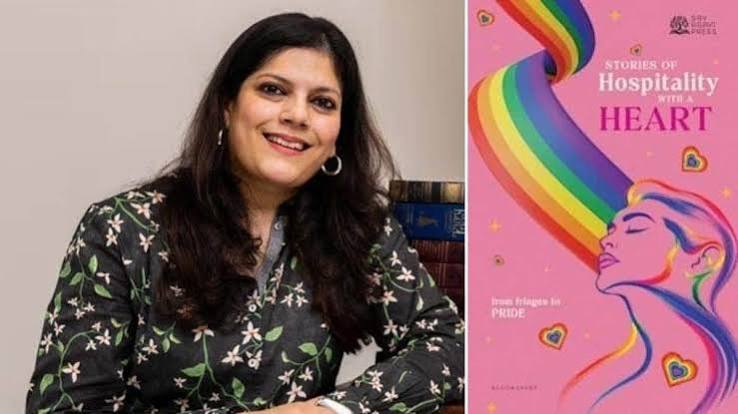
A new book takes up that idea. Hospitality with a Heart, launched by The LaLiT Suri Hospitality Group, collects 23 accounts from people connected to the group, many of them from the LGBTQ+ community. Its author, Amrita Tripathi, tells THE WEEK that some contributors did not want their identity to be the only thing discussed. They wanted their work to count, too.
Keshav Suri, the group’s executive director, says he wants the book to leave readers with
hope that there is life beyond hard times. “It does get better. It will always get better.”
Ultimately, queer writing is not only about making queer people visible. It is about letting them define themselves, in their own words and on their own terms, and about giving readers a chance to meet lives beyond familiar assumptions. For someone who once believed they were alone, it may be the first sign that they never were.
Aflaha Saleem K.P
Courtesy : The Week
Note: This news is originally published on https:/theweek.com/bha and is used purely for non-profit/non-commercial purposes, especially human rights