
NHRC Seeks Report From Delhi Authorities Over Alleged Lynching Of Dalit Youth During Holi
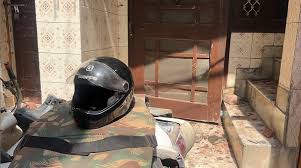
New Delhi, March 13 (IANS) The National Human Rights Commission (NHRC) has issued notices to the District Magistrate (West Delhi) and the Commissioner of Police, Delhi, over allegations that a 26-year-old Dalit youth was assaulted and lynched during Holi celebrations in the national Capital’s Uttam Nagar. A Bench presided by NHRC Member Priyank Kanoongo took cognisance of a complaint alleging that the incident occurred on March 4, after a minor dispute arising from an accidental splash of water during Holi festivities between two families. According to the complaint, despite the victim’s family offering apologies, a group of around 15-20 people allegedly attacked the youth later when he was returning home on a two-wheeler. The attackers reportedly used bricks, stones, and iron rods, causing severe injuries. The victim later succumbed to his injuries during treatment at a hospital. The complainant sought the NHRC’s intervention and requested a proper investigation into the incident, identification and prosecution of all persons involved, protection for the victim’s family, and adequate compensation for the bereaved family. Observing that the allegations, if true, prima facie indicate violations of the human rights of the victim, the apex rights body issued the notice under Section 12 of the Protection of Human Rights Act, 1993. The NHRC has directed the authorities to conduct a thorough and impartial investigation, ensure identification and prosecution of all accused persons, and assess the threat perception to the victim’s family, taking appropriate measures for their safety as potential key witnesses. It has also asked the investigating agency to examine and preserve all relevant evidence, including social media material, images, and videos that may have evidentiary value. Authorities have been further directed to secure CCTV footage from the area, properly preserve the crime scene, and collect all relevant forensic evidence, such as fingerprints, footprints, stones, and other objects allegedly used in the assault. The NHRC has sought an Action Taken Report (ATR) within two weeks for its perusal and directed authorities to forward a copy of the report via email. Courtesy : MenaFN Note: This news is originally published on https:/menafn.com/bha and is used purely for non-profit/non-commercial purposes, especially human rights
Eyeing Dalit votes, Mamata announces five new boards
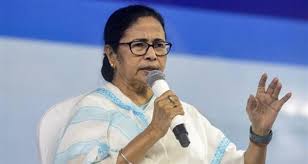
According to the announcement, the boards will be set up for the Munda, Kora, Dom, Kumbhakar, and Sadgop communities. The initiative aims to support their socio-economic development while preserving their distinct cultural identities. Chief Minister Mamata Banerjee on Friday announced the formation of five new Cultural and Development Boards for marginalised communities in the state, a move that comes just days before the expected announcement of the schedule for the West Bengal Legislative Assembly election 2026. According to the announcement, the boards will be set up for the Munda, Kora, Dom, Kumbhakar, and Sadgop communities. The initiative aims to support their socio-economic development while preserving their distinct cultural identities. Speaking on the occasion, Mamata congratulated members of these communities and highlighted their role in shaping Bengal’s heritage. She said that each of these groups is an integral part of the state’s cultural fabric and extended her best wishes to them. Sources at Nabanna, the state secretariat, said the boards will primarily work to preserve the languages, traditions, and cultural practices of the respective communities. In addition to cultural preservation, they will also focus on improving access to education, healthcare, and employment opportunities. The Chief Minister further assured that the traditional and customary rights of these communities would be protected. The government also plans to strengthen their economic base by creating new avenues for employment and ensuring improved public services in areas where members of these communities live. State government officials said that the initiative is part of a broader policy pursued by the state government since 2013, during which several development boards have been formed for backward and tribal communities. Emphasising the government’s guiding philosophy, Banerjee said the core principle of the “Ma-Mati-Manush” administration is to bring development to every section of society and ensure inclusive progress. Political observers, however, point out that the timing of the announcement — just ahead of the election schedule — suggests a parallel political objective. They believe the creation of these boards may help the ruling government send a message of grassroots development while also attempting to strengthen its support base among marginalised communities. Courtesy : NAI Note: This news is originally published on https:/newsarenaindia.com/bha and is used purely for non-profit/non-commercial purposes, especially human rights
TN Dalit man custodial death: Autopsy finds 28 injuries
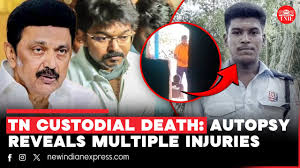
According to police officials, Akash sustained an injury to his leg while attempting to escape during his arrest. He was subsequently admitted to Government Rajaji Hospital in Madurai for treatment. However, he died unexpectedly on March 8 while undergoing medical care. The autopsy report of a 26-year-old Dalit man who died in police custody in Tamil Nadu’s Sivaganga district has revealed the presence of 28 injuries on his body, raising fresh questions over the circumstances surrounding his death. The deceased, Akash Delison, an engineering graduate from Manamadurai, had been arrested on March 6 on charges of being involved in a dispute with residents of a neighbouring village and an alleged attempt to murder. According to police officials, Akash sustained an injury to his leg while attempting to escape during his arrest. He was subsequently admitted to Government Rajaji Hospital in Madurai for treatment. However, he died unexpectedly on March 8 while undergoing medical care. Following his death, family members, relatives, and local residents staged a road blockade demanding justice and an impartial investigation into the incident. Acting on the directions of the Madurai Bench of Madras High Court, the post-mortem examination was conducted at Government Rajaji Hospital under the supervision of the institution’s head. The entire autopsy process was also video-recorded as part of the court’s directive. The autopsy report released on Friday revealed 28 separate injuries, including both internal and external wounds. Doctors noted a fracture in the middle portion of Akash’s right leg, which had caused severe damage to surrounding muscles, nerves, and blood vessels. In addition, the report documented multiple red-coloured abrasions and scratches on his arms, elbows, knees, and thigh. The internal examination also found hemorrhage in the frontal region of the brain. The report further stated that blood clots were present in the heart and lungs, leading to swelling of these organs. Doctors said the final autopsy report will be issued only after the results of chemical analysis are received. Meanwhile, officials from the Crime Branch Criminal Investigation Department (CB-CID) have launched a detailed investigation into the custodial death to determine the exact cause and circumstances surrounding the incident. Courtesy : NAI Note: This news is originally published on https:/newsarenaindia.com/bha and is used purely for non-profit/non-commercial purposes, especially human rights
Rahul says, ‘85% of MGNREGA list comprises Dalits- backward classes’:15% control bureaucracy and corporates; focus on Mayawati’s voter base
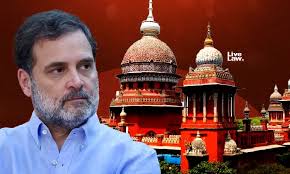
Rahul Gandhi spoke for 35 minutes in Lucknow to win Dalit votes. The occasion was Kanshi Ram Jayanti, but Rahul’s target was the Modi government. In front of Dalits, Rahul took Modi’s name more than Kanshi Ram’s. He said- Narendra Modi does not believe in the ideology of the country’s constitution. Sometime visit Apollo, look at the doctor’s nameplate there, you won’t find 85% (Dalits, backwards) anywhere. You won’t find Dalits and backwards among CEOs of big companies. Rahul further says: In courts, bureaucracy, and corporate settings, you will only see 15% of the elite class. In MGNREGA list, 85% are Dalits and backwards. This is what Kanshi Ram used to say in his pen model. Kanshi Ram used to say, ‘One man one vote, representation according to population… but what is the reality?’ 15% control the country’s resources’. Kanshi Ram was fighting to change this picture; now Congress is fighting this battle. Rahul Gandhi celebrated Social Change Day in Lucknow 2 days before Kanshi Ram Jayanti. He spoke directly with 4,000 people. Bhaskar learned from the leaders themselves how much Rahul’s message reached them… MP said, ‘Rahul gave clear vision in 3 points’ Congress MP from Sitapur Rakesh Rathore, says, ‘Rahul Gandhi has given a clear vision today. Congress is focused on 3 points. First- Caste census. Second- Protection of the Constitution. Third- MGNREGA’. These 3 factors are going to prove decisive in UP. Due to MGNREGA, 80% of Dalits and backward classes were able to get respect. Congress spokesperson Sachin Rawat says, Rahul Gandhi is saying, ‘The greater the numbers, the greater the participation. This was the dream of Baba Saheb and Kanshi Ram’. Now Congress will become the voice of Dalits and the backwards in UP. Leaders and workers from Dalit and backward communities will advance in Congress. They will also get places in the government. Now the move for reservation in private sector Congress Vice President Vishvavijay Singh said, ” The way Kanshi Ram did politics, Congress also follows that”. We are ready to give participation to Dalits and the backwards in the organisation and government. Also, we will ensure places for Dalits and backwards in large institutions and private sector. Will tell the public how agricultural rights were surrendered Congress National Secretary Dheeraj Gurjar explains this in more detail. He says, Rahul Gandhi mentioned the agriculture sector. Even today, 70% of our country’s population does farming. Most of these are Dalits, backward and extremely backward classes. We will go among the people. Will explain how the BJP central government surrendered agricultural rights to America. We will put these questions to the country’s public about how we have surrendered on the energy sector. Female leader claims, ‘Public will support Congress in 2027’ Bundelkhand zone’s Women Congress State President Karishma Thakur confidently says that Congress will form a government in UP in the 2027 elections. In today’s time, only Rahul Gandhi is such a leader who speaks fearlessly. Our PM is making decisions completely under American pressure. Will Trump now tell us which country to buy oil from? Therefore, the public will give surprising results in the upcoming elections. Sohan Lal, who came to hear Rahul Gandhi, has retired from the Agriculture Department. He says, ‘10% people occupy 90% of the posts in the Secretariat’. When halwa (benefits) is distributed, these 10% people alone are eating the share of the 85%. Rahul Gandhi is attacking this very issue. We will go among the public with this ideology. Today, only Congress is fighting for the voice and rights of Dalits and backward classes. Now, understand the political message of Rahul’s pen model By mentioning Kanshiram’s pen-model, Rahul tried to appeal to Dalits, extremely backward classes and minorities. Said, when Kanshiram used to travel in UP in his struggle to uplift Dalits and ensure their political participation, he kept a pen with him. He used to say that the pen cap represents 15% upper castes who operate the pen. It should have been that 85% should get the benefit. Since the BJP came to power, they have created a new system. They have separated the pen and the cap itself. They are only moving with 15% (upper castes). 85% have been thrown away. Expert View: Suresh Bahadur Singh, Senior Journalist Question: Is Rahul trying to prove Modi as a weak PM? Answer: If you listen to Rahul Gandhi’s speech, it’s clear that he is trying to prove Narendra Modi as a weak PM. This is why he kept claiming that the PM compromised under American pressure. For this, he also mentioned the trade deal with America. They try to explain that they are not speaking baseless words. In this trade deal, all benefits were given to America, while our farmers will suffer the most in the future. American farmers will sell agricultural products worth ₹9 lakh crores in our country. Raising the question of an oil and gas crisis in the country, Rahul Gandhi said, “People are troubled by low gas supply.” Then mentioning the Epstein file, he also attacked the PM’s personal image. Rahul Gandhi openly accused PM Modi of compromising the country’s energy security. This is why America is now deciding where we will buy oil. He mentioned the Epstein Files and George Soros while referring to Petroleum Minister Hardeep Puri and his daughter’s company. The meaning is clear that Rahul is making his way by attacking the same PM on whose face and strength the BJP wins state elections. In his speech, Rahul Gandhi clearly said that “There are only two reasons for PM Modi’s surrender. One is Epstein’s and the second is Adani’s ongoing case in America. Modi himself is involved in the Adani case, which is why he has completely surrendered. Modi ji has lost psychologically, and when a person loses mentally, then he has to lose. Now, 3 major points from Rahul Gandhi’s statement: Narendra Modi does not believe in constitutional ideology: The constitution contains the voices of all Dalit great personalities.
Parties vie to consolidate Dalit voters on Kanshi Ram birth anniv
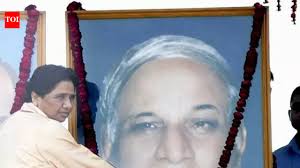
Lucknow: BSP founder Kanshi Ram will return to the political arc-lights on his 92nd birth anniversary on March 15, as political parties vie to consolidate the Dalit electorate in Uttar Pradesh ahead of the assembly elections due early next year. BSP chief Mayawati has given a ‘Lucknow Chalo’ call to party functionaries in what is seen as a bid to put up a massive show of strength in the state capital and consolidate Dalit voters, which accounts for 21% of the total electorate in UP. Party sources said that Mayawati is expected to lay out a broader party strategy for the 2027 assembly elections. A similar event is proposed to be organised in Noida to amplify the impact of the party’s exercise. Experts said that a large gathering would signal that the poll machinery of BSP, which faced organisational erosion in recent years, was still active. Sources said that BSP sought to remind Dalits that Kanshi Ram’s legacy belongs to the party he founded. Likewise, the BJP has decided to pay tribute to Kanshi Ram across the state. Sources said that the party has asked its SC morcha to collaborate with social organisations to ratchet up the fervour around Kanshi Ram’s legacy. A prominent event is proposed to be organised in Ghaziabad under the aegis of a social organisation named after Ramabai Ambedkar, the wife of Dalit icon BR Ambedkar. The BJP has strategically chosen the location in the west UP region, which has a sizeable number of Jatav voters, the key electoral bloc of BSP. “We seek to rise above party lines to pay tribute to a leader who was a voice of the Dalit,” asserted UP BJP SC morcha president Ram Chandra Kannojia. The programme is expected to be attended by a host of senior leaders, including BJP national SC Morcha President Lal Singh Arya and some BJP district chiefs from the region. Experts said that the approach was consistent with the BJP’s broader strategy of symbolic recognition of Dalit leaders such as BR Ambedkar, while simultaneously building grassroots networks among non-Jatav and a section of Jatav voters. Similarly, the Samajwadi Party plans to observe the day as ‘PDA Diwas’. The celebration is seen as a strategic move to consolidate support from Dalits, backwards, and minorities ahead of the 2027 UP assembly elections. Sources said that Babasaheb Ambedkar Vahini, the SC wing of the Samajwadi Party, has been tasked to manage the events. The SP chief, Akhilesh Yadav, sources said, has directed all party functionaries, including MPs, MLAs, and district presidents, to participate and ensure the presence of the general public from the PDA sections. By involving the party’s SC wing, the SP, sources said, aimed to directly engage Dalit voters rather than rely solely on its conventional OBC-Muslim arithmetic. The move attains significance amid SP’s aggressive attempts to heighten its tried and trusted PDA narrative, which is said to have dented the BJP, pulling its tally from 62 to 33 in the 2024 Lok Sabha elections. SP’s ally Congress, too, plans to observe the day as ‘Samajik Parivartan Diwas’, marking a significant strategic shift in its strategy to reclaim the Dalit votes. Analysts said that the Congress aims to capitalise on the weakening of the BSP to regain the support it historically held before the 1980s. Courtesy : TOI Note: This news is originally published on https:/timesofindia.com/bha and is used purely for non-profit/non-commercial purposes, especially human rights
In UP, Rahul says RSS has no place for dalits, backwards in its ranks
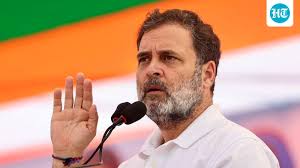
Meanwhile, the event, which was attended by over 4,000 Congress functionaries, came to an end with a proposal seeking Bharat Ratna for Kanshi Ram posthumously. LUCKNOW: Launching a scathing attack on the Rashtriya Swayamsevak Sangh (RSS) and the ruling BJP, Congress’s Reabareli MP and Leader of Opposition in Lok Sabha Rahul Gandhi claimed that there was no place for Dalits and the backwards in both the right-wing organisation. He was addressing Congress functionaries while deliberating over the issues of social justice and the constitution here on Friday. The Congress leader was participating in a Samvidhan Sammelan organised by the party in Lucknow, where he paid tribute to BSP founder president Kanshi Ram two days ahead of his birth anniversary. Claiming that if Jawaharlal Nehru were alive today, Kanshi Ram would have been the CM, Gandhi said the late leader’s struggle and vision were relevant in the contemporary political scenario. Meanwhile, the event, which was attended by over 4,000 Congress functionaries, came to an end with a proposal seeking Bharat Ratna for Kanshi Ram posthumously. Criticising the RSS, Gandhi alleged that the senior ranks lack representation from OBCs, Dalits and Adivasis. “A review of the organisation’s top structure and senior functionaries would show the absence of these communities,” he said, adding that it reflected a wider imbalance of representation in the country’s power structure. Referring to Kanshi Ram, Gandhi said his politics were rooted in the idea that growth should be relegated to a small section of society; rather, it should benefit even the poorest and most marginalised ones as well. He claimed that India’s major institutions still did not reflect the country’s social composition. He said that large sections of the population, especially Dalits, Adivasis, backward classes, extremely backward groups and minorities, were under-represented in the judiciary, bureaucracy, cabinet, education system and corporate sector. Describing the Constitution as more than a legal text drafted after Independence, Gandhi said it embodied the voices and values of reformers and thinkers such as Ambedkar, Mahatma Gandhi, Narayana Guru, Basavanna and Gautam Buddha. Namita Bajpai Courtesy : TNIE Note: This news is originally published on https:/thenewindianexpress.com/bha and is used purely for non-profit/non-commercial purposes, especially human rights
Dalit families flee Haryana village after youth killed in Holi clash
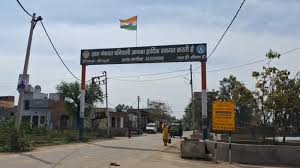
Several Dalit families fled Baniyani village in Haryana’s Rohtak after a Holi clash between Rajput and SC communities left a youth dead and heightened tensions. Rohtak: Several Dalit families have locked their homes and fled Baniyani village in Haryana’s Rohtak district, after a violent Holi clash between a Scheduled Caste community and the Rajput community led to the death of a youth. The incident, which took place on March 4, was reportedly triggered by a minor parking dispute. The situation turned violent after the altercation escalated into a physical fight, with CCTV footage showing members from both communities engaged in the clash. A youth identified as Vikram died in the clash, resulting in heightened tensions in the locality. Vikram was from the Rajput community. The dispute initially arose between Vikram and Nishant, who is from the SC community, police said. According to the police statement, based on the complaint lodged by Vikram’s family, 10 individuals have been arrested so far. “On the basis of the statements and interviews of the arrested and from the video footage we have gotten, we will continue further investigation,” a police official told reporters. “Since there is no live video footage of the incident, we cannot clearly identify who was involved,” the police said Vikram was intoxicated and forcefully tried to apply colour on woman, Dalit community claims Members of the Dalit community allege that the matter was not over a parking dispute, saying the real reason behind the altercation was different. They claimed that Vikram was intoxicated at the time of the incident and attempted to apply colour to a woman forcefully. When the woman pushed him in self-defence, he died as a result of the fall, ABP News reported. The police, however, have maintained that the matter was over a minor dispute, with a Baniyani village police inspector telling Siasat.com that it was just a brawl between two youths that turned fatal. Following the incident, the Scheduled Caste settlement in the village was living under severe duress, with many families reluctant to leave the safety of their houses. Nearly two dozen families left the village, and the situation had a direct impact on students as well. Around six students from the community were unable to write their Haryana Board Class 10 examinations due to the instilled fear and tension in the area. When asked if the Dalits are facing a problem since the incident, the inspector said, “Yeh sab samaj ko badane wali baat hai. Aisa kuch nahi hai (All these claims are meant to incite people. There is no such thing).” Case registered The case was registered under Sections 109 (1) (attempt to murder), 103 (1) (punishment for murder), 191 (2) (rioting), 191 (3) (rioting with arms or deadly weapons), 115 (2) (volunatarily causing hurt), 126 (2) (wrongful restraint), and 238 (causing dissapearance of evidence) of the Bharatiya Nyaya Sanhita. Community members from the settlement also said that although they have no issue with the guilty being charged, the police are “picking up” young men without giving them a chance to explain. One local told the media that her husband has been missing for over a week and she has no information on his whereabouts. She feared for his safety, saying her family continues to receive threats. Meanwhile, heavy police personnel have been deployed in the village as the situation remains tense. Courtesy : TSD Note: This news is originally published on https:/thesiasatdaily.com/bha and is used purely for non-profit/non-commercial purposes, especially human rights
Congress’s Anti-Dalit Mindset… Mayawati Takes Aim in an X Post
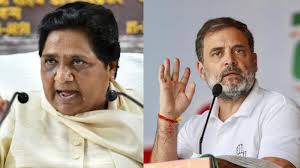
[They] did not declare a period of national mourning upon his passing. They merely attempt to capitalize on his name. They seek only to weaken the BSP. Lucknow—BSP President Mayawati has taken aim at the Congress party in a post shared on her social media account. Writing on X, BSP President Mayawati stated that the Congress party failed to accord due respect to Baba Saheb. She noted that it was not the Congress party that conferred upon him the Bharat Ratna award. Furthermore, she added that the party did not declare a period of national mourning following his demise. She alleged that they merely attempt to capitalize on his name and seek only to weaken the BSP. Mayawati also urged people to remain vigilant, particularly regarding the Congress party, asserting that the Congress harbors an anti-Dalit mindset. Meanwhile, Mayawati’s post has elicited a wide range of reactions within the political corridors of Uttar Pradesh. Courtesy: Hindi News
Congress Alleges Dalit Atrocities at Peak Under BJP, Cites Bhadohi Case
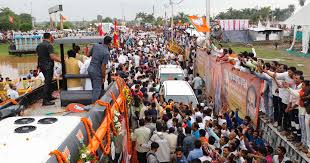
UP Congress chief Ajay Rai says state government wants to eliminate the poor; party to celebrate March 13 as Social Change Day.Newspapers The Congress party on Wednesday alleged that Dalits are facing their worst period under the BJP government, with atrocities against the community having reached a peak, and pointed to a recent incident in Uttar Pradesh’s Bhadohi district as fresh evidence of the worsening situation. Addressing a press conference in Lucknow, Uttar Pradesh Congress Committee president Ajay Rai said crimes against Dalits had risen sharply under the Yogi Adityanath government. “Two days ago, an attempt was made to set Jaslal Saroj ablaze in Bhadohi. The state government wants to eliminate not poverty but the poor, but the Congress is committed to the security of Dalits,” he said. Congress Leaders Raise Wider Concerns Rajendra Pal Gautam, chairman of the All India Congress Committee Scheduled Castes Department, spoke about the broader failures he attributed to the current dispensation. He said millions had sacrificed their lives for India’s independence but had never imagined an India where children are forced to abandon their studies due to poverty and people die for lack of medical treatment. He also raised the question of India’s foreign policy independence, asking why the country should need to seek permission from the United States to purchase oil. Manoj Yadav, chairman of the Uttar Pradesh Congress OBC Department, said the fight for social justice initiated by Kanshi Ram was now being carried forward by Rahul Gandhi. Grand Event Planned for Kanshi Ram’s Birth Anniversary Anil Jai Hind, chairman of the All India Congress Committee Backward Classes Department, announced that the Congress would observe Kanshi Ram’s birth anniversary on March 13 as Social Change Day. “A grand event will be organised on March 13 to carry forward his ideas and build the India of his dreams,” he said. Congress leaders confirmed that Rahul Gandhi will attend the Samajik Parivartan Diwas programme dedicated to Kanshi Ram on March 13. The event is being positioned by the party as a demonstration of its commitment to Dalit and backward class communities ahead of the 2027 Uttar Pradesh Assembly elections. The Congress party on Wednesday alleged that Dalits are facing their worst period under the BJP government, with atrocities against the community having reached a peak, and pointed to a recent incident in Uttar Pradesh’s Bhadohi district as fresh evidence of the worsening situation. Addressing a press conference in Lucknow, Uttar Pradesh Congress Committee president Ajay Rai said crimes against Dalits had risen sharply under the Yogi Adityanath government. “Two days ago, an attempt was made to set Jaslal Saroj ablaze in Bhadohi. The state government wants to eliminate not poverty but the poor, but the Congress is committed to the security of Dalits,” he said. Congress Leaders Raise Wider Concerns Rajendra Pal Gautam, chairman of the All India Congress Committee Scheduled Castes Department, spoke about the broader failures he attributed to the current dispensation. He said millions had sacrificed their lives for India’s independence but had never imagined an India where children are forced to abandon their studies due to poverty and people die for lack of medical treatment. He also raised the question of India’s foreign policy independence, asking why the country should need to seek permission from the United States to purchase oil.India travel guide Manoj Yadav, chairman of the Uttar Pradesh Congress OBC Department, said the fight for social justice initiated by Kanshi Ram was now being carried forward by Rahul Gandhi. Grand Event Planned for Kanshi Ram’s Birth Anniversary Anil Jai Hind, chairman of the All India Congress Committee Backward Classes Department, announced that the Congress would observe Kanshi Ram’s birth anniversary on March 13 as Social Change Day. “A grand event will be organised on March 13 to carry forward his ideas and build the India of his dreams,” he said. Congress leaders confirmed that Rahul Gandhi will attend the Samajik Parivartan Diwas programme dedicated to Kanshi Ram on March 13. The event is being positioned by the party as a demonstration of its commitment to Dalit and backward class communities ahead of the 2027 Uttar Pradesh Assembly elections. Courtesy : TOP Note: This news is originally published on https:/theobserverpost.com/bha and is used purely for non-profit/non-commercial purposes, especially human rights
The Impact of the Partition of India on Dalits: An Ambedkarite Perspective in South Asia
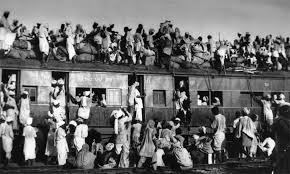
The Partition of the Indian subcontinent in 1947 is widely regarded as one of the most traumatic events in modern history. The division of British India into the independent states of India and Pakistan triggered massive communal violence, widespread displacement, and one of the largest migrations in human history. Historical narratives of Partition generally focus on the conflict between Hindus and Muslims and the political rivalry between leaders such as Jawaharlal Nehru and Muhammad Ali Jinnah. While these perspectives illuminate important political developments, they often overlook the experiences of marginalized communities, particularly Dalits. From an Ambedkarite historiographical standpoint, the Partition of India cannot be fully understood without examining how caste structures shaped both the violence and the aftermath of the event. The ideas of B. R. Ambedkar provide a critical framework for analyzing these issues. Ambedkar repeatedly argued that Indian society was fundamentally divided by caste hierarchies and that political independence without social transformation would not produce genuine equality. The experiences of Dalits during Partition illustrate the continuing power of caste in shaping social and political realities. Dalits were affected by violence, displacement, and economic loss, but their suffering remained largely invisible in mainstream narratives. In many cases, they faced not only communal violence but also discrimination within their own religious communities. Consequently, the impact of Partition on Dalits reveals the intersection of religion, caste, and power in South Asian history. This essay examines the impact of Partition on Dalits from an Ambedkarite perspective, highlighting the ways in which caste shaped displacement, political representation, and post-independence social structures. Dalits as the Invisible Victims of Partition One of the most striking features of Partition historiography is the relative absence of Dalit experiences. Historical accounts usually describe violence in terms of religious communities—Hindus, Muslims, and Sikhs—without recognizing the internal stratification within these groups. Dalits, who occupied the lowest positions in the caste hierarchy, were frequently marginalized in both historical narratives and relief efforts. Many Dalits were victims of violence during Partition, but their suffering often went unrecorded because they lacked political representation and social visibility. Unlike dominant castes, Dalit communities rarely had access to leadership networks or institutional support that could document their experiences. From an Ambedkarite perspective, this invisibility reflects a broader problem within Indian society: the tendency to treat caste inequality as secondary to other political issues. Partition therefore reinforced an existing pattern in which Dalit voices were excluded from national narratives. Displacement and Refugee Experiences Partition triggered the displacement of approximately fifteen million people across the newly created borders of India and Pakistan. Among these refugees were large numbers of Dalits, particularly in regions such as Punjab and Bengal. In eastern India, the Namasudra community—a major Dalit group in Bengal—was severely affected. Many Namasudra peasants initially remained in East Pakistan after 1947, hoping to continue their lives without migrating. However, continuing insecurity and communal tensions forced many of them to migrate to India in subsequent years. When Dalit refugees arrived in India, they often faced harsh conditions in refugee camps. Unlike many upper-caste refugees who were able to secure land or employment through social networks, Dalits frequently lacked the resources needed to rebuild their lives. As a result, many Dalit refugees were relocated to remote areas such as the Dandakaranya region, where they were expected to cultivate previously undeveloped land. These resettlement policies reflected the persistence of caste-based inequalities even within state rehabilitation programs. Double Marginalization: Religion and Caste Dalits experienced a form of double marginalization during Partition. On one hand, they were affected by communal violence directed at their religious communities. On the other hand, they continued to face caste discrimination from members of their own religious groups. In refugee camps across northern India, upper-caste refugees often maintained social distance from Dalits. Dalits were sometimes assigned menial tasks such as sanitation work and were excluded from community decision-making processes. Relief distribution and rehabilitation opportunities were also influenced by caste hierarchies. This situation demonstrates that the violence of Partition did not erase caste distinctions. Instead, caste continued to shape social relations even in the context of humanitarian crisis. Forced Conversions and Vulnerability During the chaotic violence of Partition, Dalits were particularly vulnerable to coercion and forced conversion. In several regions, competing religious groups sought to increase their numbers by converting marginalized communities. Dalits sometimes faced pressure to adopt a different religious identity in order to secure protection or access resources. Because they lacked strong political representation and social power, they were often unable to resist such pressures. These experiences highlight the precarious position of Dalits during Partition. While dominant castes could mobilize resources and networks to protect their communities, Dalits were often left to navigate the crisis with minimal support. The Political Dilemma of Dalit Leadership The political challenges faced by Dalits during Partition are illustrated by the career of Jogendra Nath Mandal, a prominent Dalit leader from Bengal. Mandal believed that an alliance between Muslims and Dalits could counterbalance the dominance of upper-caste Hindus in Indian politics. On this basis, he supported the creation of Pakistan and became the country’s first law and labour minister. However, Mandal’s expectations were soon disappointed. Reports of violence and discrimination against Dalits in Pakistan led him to resign from his position and return to India in 1950. His experience revealed the difficulty of finding a political arrangement that would genuinely protect marginalized communities. Mandal’s story illustrates the complex choices faced by Dalit leaders during the final years of colonial rule. They had to navigate between competing nationalisms while seeking to safeguard the interests of their communities. The Disruption of Dalit Political Movements Before independence, Dalit political movements had begun to develop significant momentum. Organizations representing the Depressed Classes advocated political rights, social reform, and greater representation in government. However, the upheaval of Partition disrupted many of these movements. In regions such as Bengal and Punjab, the displacement of populations weakened the social networks that sustained Dalit political activism. As a result, many Dalits who had previously engaged in organized political activity