
KC man in contention as Congress Keralam head; call this month
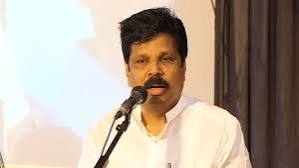
The shift in discussions occurred following the recent disagreements within the Congress over appointments to the Administrative Reforms Commission and the state’s representative in Delhi. THIRUVANANTHAPURAM: In a surprise development, the Congress leadership is toying with the idea of having Revenue Minister A P Anil Kumar, part of the K C Venugopal camp in the party, as the KPCC president, as it looks for greater control in running the Congress-led UDF government as well as strengthening Dalit representation in its ranks. Anil Kumar, a six-time MLA and one of three KPCC working presidents, has emerged as the frontrunner amid growing differences between the party and the state government over Chief Minister V D Satheesan’s style of functioning. The move would also effectively be a checkmate for senior leader Kodikunnil Suresh, another Dalit leader whose name has been doing the rounds for the post. A final decision is likely only after Diwali (November 8). “Anil has the support of K C Venugopal. His appointment would address the question of Dalit representation and give the leadership greater control over the government’s functioning,” a source said. If selected, Anil will have to step down as minister. The shift in discussions occurred following the recent disagreements within the Congress over appointments to the Administrative Reforms Commission and the state’s representative in Delhi. A Congress insider said the KPCC president post used to be as much powerful, if not more, than that of the chief minister in the party. “Major policy initiatives and political issues are discussed between the CM and KPCC president, and the latter communicates the decisions to the leadership and party workers. The KPCC president should have independent opinions and must not be subordinate to the CM,” he said. Sources said the leadership believes Anil’s elevation could help establish an organisational role in the government, while ensuring better coordination with the AICC. Sources said the appointment is likely to be finalised only after Diwali (November 8). The delay has been attributed to the AICC’s ‘Vote Chori’ protests in Delhi. “The AICC has prioritised the agitation. The state leadership has been informed that the new president will be announced in November itself,” said a party insider. Anna Jose Courtesy : TNIE Note: This news is originally published on https:/thenewindianexpress.com/bha and is used purely for non-profit/non-commercial purposes, especially human rights
Sananth reveals how Karthik Subbaraj’s trust helped him play transgender role in ‘Dorothy’; says, ‘I just wanted people to accept it with all its beauty’
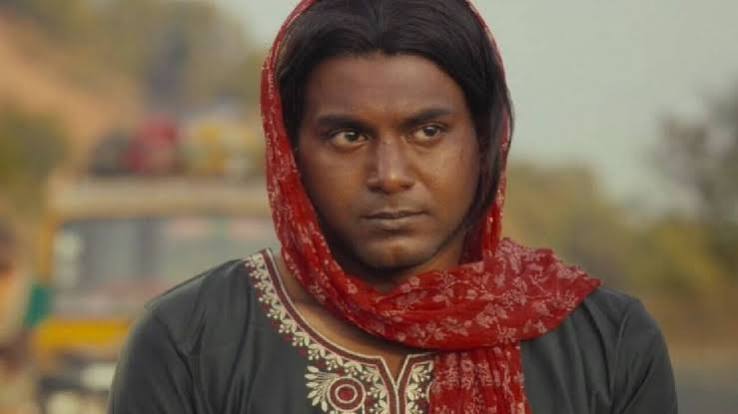
Actor Sananth has spent nearly 15 years finding his place in Tamil cinema, but his role in ‘Dorothy’ has brought him a new level of recognition. Known for choosing different roles, the actor has won attention for playing Subbu, a transgender character in the film. The response has also marked an important moment in his acting journey, which began with short films before he moved on to feature films. Sananth has now become an actor that filmmakers looking for fresh performances are keen to work with. His journey reflects the value of patience and the importance of waiting for roles that challenge an actor. Sananth reveals how he prepared for his transgender role in ‘Dorothy’ Speaking about his experience of playing Subbu in ‘Dorothy’ with Cinema Vikatan, Sananth said the role came with a great deal of responsibility. He was selected after an audition alongside Rishikanth and wanted to live up to director Karthik Subbaraj’s trust in him. “Honestly, this character was a great blessing for me. I just wanted people to accept my transgender character with all its beauty,” Sananth said. He added that he felt nervous while performing the role and described the experience as something that went beyond his own efforts. He also said he approached Subbu with a calm, meditative mindset. The actor was particularly concerned about how audiences would receive the character, making their acceptance deeply meaningful to him. ‘Dorothy’ audience response leaves Sananth emotional during first-day screening Sananth watched ‘Dorothy’ with audiences on its first day, first show, hoping they would connect with his performance. Their response turned into an emotional moment for the actor, who recalled people hugging him, shaking his hands and expressing their feelings. “If you ask me, the best tears in the world are the tears that fall on my hands and shoulders when people recognise my work,” he said. He was especially moved by the emotional reactions from male viewers. For Sananth, the response was more than appreciation for a performance; it was a sign that audiences had connected with the character. The experience gave him a sense of fulfilment after years of waiting for a role that could make a difference to his career. Sananth reflects on his 15-year journey Sananth’s interest in cinema began when he was in Class 10. At first, he studied mechanical engineering, but after that he changed and started visual communication along with filmmaking. His short film ‘Madhu’ brought him attention and opened the door to films like ‘Demonte Colony,’ ‘Jil Jung Juk,’ ‘Mercury,’ ‘Petta,’ and ‘Mahaan.’ Despite working with established filmmakers and actors, he continued to wait for roles that offered something new. “I have no regrets about waiting all these years. Patience is what takes you to a place where you belong,” he said. Looking ahead, Sananth hopes to explore more genres, including action and comedy, while continuing to discover new sides of himself as an actor. Courtesy : TOI Note: This news is originally published on https:/timesofindia.com/bha and is used purely for non-profit/non-commercial purposes, especially human rights
DKS-HDK face-off tarnishing my image, Siddu tells Rahul, Venugopal
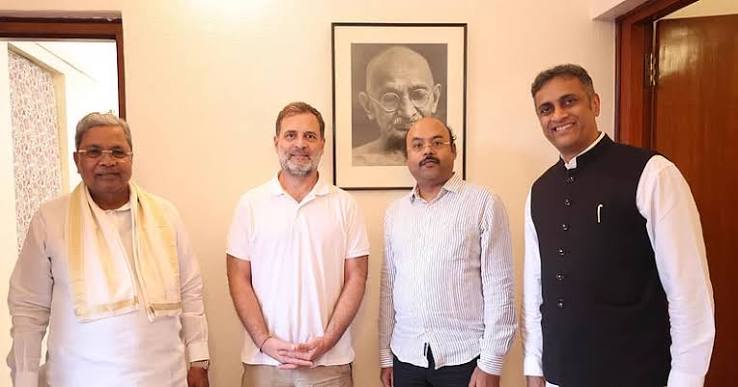
He reportedly linked the controversy to the Congress’ defeat in the recent elections to four Legislative Council seats, arguing that the sting episode had affected the party’s prospects. BENGALURU: Amid the controversy over the alleged sting operation targeting him, former chief minister Siddaramaiah on Monday met Congress leader Rahul Gandhi and AICC general secretary (organisation) K C Venugopal in New Delhi and is learnt to have expressed serious concern over the damage to his public image and the direction of the police investigation. According to sources, Siddaramaiah told the party leadership that the political confrontation between Chief Minister D K Shivakumar and Union Minister H D Kumaraswamy was damaging his reputation, although he had no role in the dispute. He reportedly complained that instead of identifying those who recorded the video and investigating their motives, the police were questioning others. During his interaction with Gandhi, Siddaramaiah is said to have expressed disappointment that his name was being dragged into a controversy even after he had made it clear that he was no longer in the race for the chief minister’s post. He reportedly said he had conveyed his decision not to contest the next Assembly election and questioned who was behind the alleged political conspiracy. Sources said Siddaramaiah told Gandhi that the video had caused considerable damage to him personally as well as to the party. He is also learnt to have warned that if the campaign against his reputation continued, he might stay away from campaigning in the next Assembly election. He reportedly linked the controversy to the Congress’ defeat in the recent elections to four Legislative Council seats, arguing that the sting episode had affected the party’s prospects. Siddaramaiah is said to have sought clarity on who recorded the video and the motives behind it, while expressing dissatisfaction with the way the investigation was progressing. Earlier, he met Venugopal and discussed the political developments in Karnataka. Sources said he raised objections to the direction of the investigation and alleged that the focus was on people other than those who had recorded the video. However, speaking to reporters later, Siddaramaiah said he had discussed Karnataka’s development, political developments and organisational matters, but not the sting controversy. He also said he had no information about the Police Commissioner’s statement concerning the alleged involvement of Kumaraswamy’s Delhi residence in the phone handover linked to the sting video. Devaraj B Hirehalli Courtesy : TNIE Note: This news is originally published on https:/thenewindianexpress.com/bha and is used purely for non-profit/non-commercial purposes, especially human rights
Rahul Gandhi challenges PM Modi to open debate over foreign links
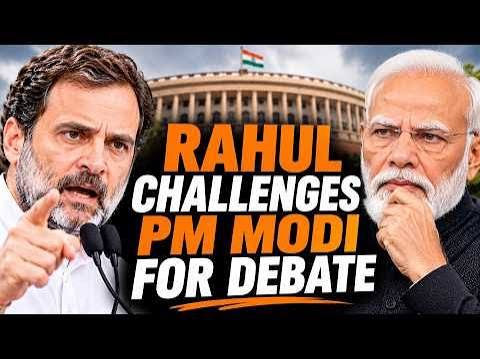
Congress slams BJP over ‘INDIA bloc rally caused losses for traders’ claim featuredImageThe Congress leader’s response came two days after Modi, during his Gujarat visit on Saturday, accused certain forces within the country of creating instability by spreading lies and rumours.Advertisement Congress leader Rahul Gandhi on Monday hit back at PM Narendra Modi over his allegations that Opposition leaders were taking foreign help to destabilise the country, accusing the PM himself of depending on foreign support to remain in power and challenging him to an open debate. “Mr Modi, stop lying to this nation. You became PM because of foreign help. You remain PM because of foreign help. Your financial system is fully controlled and supported by foreigners. Foreign social media fully backs you. I challenge you to an open debate about this. Any stage, any time. Come if you have the guts. You won’t dare, because you are terrified of what I know about you,” said Rahul. The Congress leader’s response came two days after Modi, during his Gujarat visit on Saturday, accused certain forces within the country of creating instability by spreading lies and rumours. “When the country was seeking solutions to external challenges, some forces within the country were also creating instability by spreading lies and rumours. But the countrymen stood shoulder to shoulder with the nation,” Modi had said. Shekhar Singh Courtesy : The Tribune Note: This news is originally published on https:/thetribune.com/bha and is used purely for non-profit/non-commercial purposes, especially human rights
Congress shifts strategy from protests to election grounds; focus shifts to electoral states, Rahul to visit Punjab tomorrow
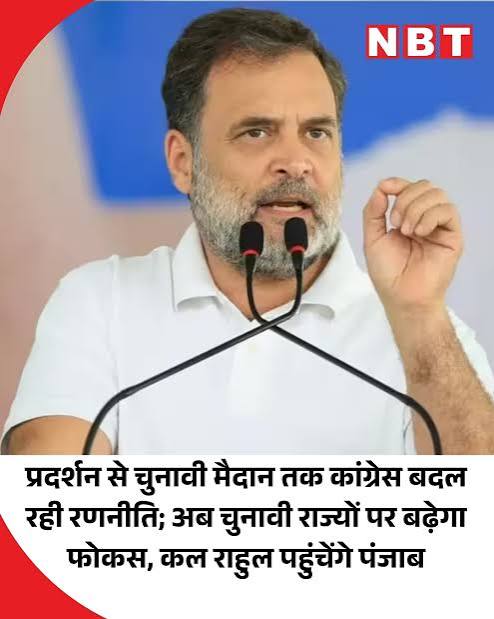
Amidst the ongoing protests against the Chief Election Commissioner (SIR) and the Chief Election Commissioner, Congress has decided to focus on campaigning and strengthening the organization in electoral states. Rahul Gandhi will hold a rally in Punjab on November 4th, while a major protest is planned in Delhi on Constitution Day, November 26th. Congress now focuses on elections, Rahul in Punjab tomorrow New Delhi: The opposition, which took to the streets over the removal of the Chief Election Commissioner and alleged irregularities in the SIR, is now formulating its next strategy for the movement. Congress has decided to focus on campaigning and strengthening the organization in electoral states, rather than on protest politics. As part of this strategy, Rahul Gandhi, Leader of the Opposition in the Lok Sabha, will hold his first rally in Punjab on November 4th. He will also visit Uttar Pradesh. Meanwhile, the movement against the Chief Election Commissioner is now preparing to escalate to a major protest in Delhi on November 26th, Constitution Day. Meanwhile, the Congress leadership held discussions with leaders from electoral states and the organization on Monday. The party leadership held discussions with Uttarakhand Congress leaders during the day. Former Karnataka Chief Minister Siddaramaiah also met with Rahul Gandhi. These meetings are considered important in terms of election preparations. Protests against the CEC now on Constitution Day The issue of SIRs has not been left off the Congress agenda. Now, through a proposed protest on Constitution Day on November 26th, the issue is being raised by linking it to constitutional rights and the democratic process. This strategy is politically significant for the Congress. The party wants to simultaneously address the electoral contest and the issue of institutional accountability. However, the challenge is how much opposition unity can be maintained amid the busy campaign schedule. Authored by: Hemant Rajoura •Edited by: Tina About the Author Hemant Rajoura is a special correspondent for Navbharat Times. He covers the politics of major opposition parties, including the Congress, Samajwadi Party, and RJD, in-depth. He also keeps a close eye on important news related to health, science, and policy. Courtesy: Hindi News
She struggled to find a job despite a postgraduate degree and faced rejection as a transgender woman; now 36-year-old Riyana Suree helps others find sponsors, education and a place to stay in Tamil Nadu

A postgraduate degree, a talent for dance and the determination to build a career did not make things easier for Riyana Suree. When the transgender woman approached private companies looking for a job, her qualifications were not enough to protect her from rejection. Even people who initially showed interest in learning dance from her reportedly changed their minds after discovering that she was transgender. Today, at 36, Riyana is working to ensure that other transgender people do not have to face the same barriers alone. Through the Thiru Aval Trust, she helps transgender students find educational sponsors, offers accommodation to those who have nowhere to stay and supports people looking for employment and livelihood opportunities. Her journey from struggling to find acceptance and professional opportunities to creating them for others is a story of turning personal setbacks into a larger purpose. A postgraduate degree, but no job opportunities Born in Dindigul in 1990 and raised in Tiruchy, Riyana began recognising herself as a girl when she was 12. According to The New Indian Express, her journey as a transgender woman formally began in 2006. Her father, D Soosai Sagayam, worked in the cooperative sector, while her mother, Insiya Mary, is a homemaker. Acceptance within the family took time. Initially, she was not allowed to dress as a woman during family functions. Her sister-in-law, Gayathri Lenin, played an important role in helping the family understand and accept her identity. Academically, Riyana completed her bachelor’s degree in Physics from St Joseph’s College in Tiruchy and went on to pursue postgraduate studies at Jamal Mohamed College. She was also passionate about dance and had won several competitions. However, when she approached two or three private companies, including firms in the IT sector, for employment in 2013, she encountered repeated rejections. The experience affected her confidence to approach other organisations. She subsequently joined the Tamil Nadu State AIDS Control Society (TANSACS) as an outreach worker under a government programme, earning Rs 8,000 a month. She continued in the role for more than eight years, supplementing her income through dance performances and teaching. But even her interest in dance came with its own challenges. “Many people initially showed interest in joining my dance classes. But once they came to know that I was a transgender woman, several backed out,” she recalled, as reported by The New Indian Express. Riyana also attempted the TNPSC Group IV and railway recruitment examinations but could not clear them. A chance encounter opened the doors to modelling An unexpected opportunity came in 2018. A photographer came across Riyana’s photographs on Facebook and approached her for a photoshoot. The pictures attracted attention and gradually opened doors to modelling assignments and beauty pageants. She participated in several competitions, including Miss Trichy, Miss Koovagam, Miss Trans Queen India and Miss South India Trans. In 2023, she won the Miss Universe Trans India title at a competition held in New Delhi. The recognition gave her a platform beyond modelling. She now mentors contestants and conducts interview sessions in her capacity as the national director. However, while her own career was finding direction, Riyana had also begun thinking about how she could make opportunities more accessible to other transgender people. From opening her home to finding sponsors for students Riyana started the Thiru Aval Trust in 2019, which was officially registered in 2022. During the Covid-19 pandemic, she and her associates distributed food to transgender people and others in need. Over time, the initiative expanded to include education, employment, livelihood and medical assistance. Around 30 transgender people are associated with the trust. One of its important initiatives involves connecting transgender students with sponsors who can support their education. S Sayeesha, 27, from Tiruchy, is among those who received help. With Riyana’s assistance in finding a sponsor, Sayeesha completed her MSc, BEd and teacher training. However, despite attending several interviews, she has not yet been able to secure a job in a private school and is preparing for government recruitment examinations, including TNPSC. “Although my family has accepted me, coming from an orthodox Muslim background, society has not. I have completed my studies and teacher training, but finding a job remains difficult,” Sayeesha said. Riyana’s support has also extended beyond financial assistance. When Joshka Jasmine, 30, from Thanjavur, came to study at Government Law College in Tiruchy but had no place to stay, Riyana offered her a home. She also helped her find sponsors for her education. Joshka, who initially aspired to become a model, eventually chose law because she wanted to work for the transgender community and improve access to justice. She has been practising for two years and affectionately calls Riyana her ‘mummy’. In another significant development, Joshka and Sowmiya Shashu, 37, were recently honoured at the 2026 convocation after graduating in 2024. They were the first transgender graduates to receive the honour since the college was established in 1980, according to The New Indian Express. Joshka also highlighted the community’s long-standing demand for equal opportunities in education and employment. “We have been demanding horizontal reservation for the past 15 years and urge the state government to implement it,” she said. Creating opportunities where she once struggled to find them The trust has also experimented with livelihood initiatives. Between 2021 and 2023, it ran a restaurant that employed five transgender people. It continues to distribute surplus food from functions and provides medical assistance, including support for transgender people living with HIV. Riyana now hopes to bring more organisations into these efforts and create opportunities in creative industries. In association with Iravi Trust, she is planning an LGBTQ-themed fashion runway in Tiruchy to showcase transgender talent. For her, the motivation comes from remembering the opportunities she could not access when she was starting out. “When I did not get an opportunity, I wanted to create one for someone else. That is the thought behind our efforts through the Thiru Aval Trust to support education, employment and livelihood,” she said. And while modelling titles and
Dalit Youth Alleges Three Barbers Refused Haircut Over Caste in Uttar Pradesh’s Etah
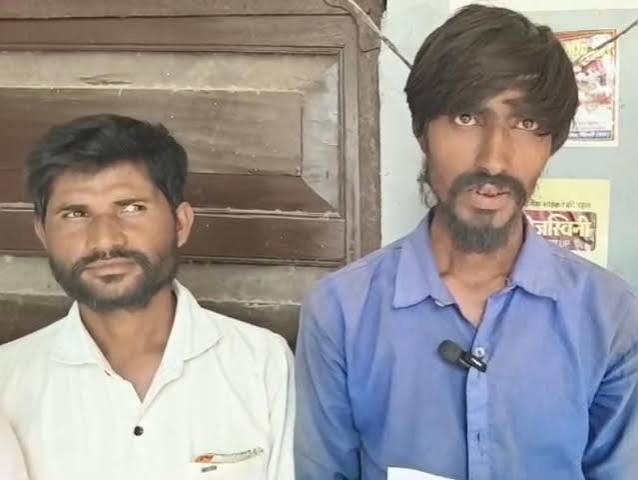
A young man from the Valmiki community in Uttar Pradesh’s Etah district has accused three local barbers of refusing to cut his hair because of his caste and using casteist slurs against him. He has filed a complaint at the Jaithra police station, seeking action against the shopkeepers. The incident allegedly took place on November 1 in Parauli village, under the Jaithra police station area. According to Ajit, son of Sewaram, he went to barber Bablu’s shop at around 10 am to get a haircut. He alleged that Bablu asked him to visit a barber from his own village instead and turned him away. Ajit then approached the shop of Sukhveer, son of Khushiram, who is also from Parauli Suhagpur. Ajit alleged that Sukhveer told him he did not cut the hair of people belonging to the Valmiki community. He subsequently went to Shankar’s shop, where he alleged that he was abused and threatened with being driven away. Ajit said Shankar used casteist remarks and verbally abused him. Speaking about the incident, Ajit questioned why caste should determine access to an everyday service such as getting a haircut. He said people from different communities apply for government jobs and participate in public life, yet members of his community continue to face discrimination when seeking basic services. Ajit has asked the police to investigate the allegations and take legal action against the three shopkeepers. Jaithra station house officer Sunil Kumar Verma confirmed that the police had received a complaint and were investigating the matter. He said the shopkeepers would be called to the police station for questioning and that action would be taken if the allegations were established. Courtesy : TOP Note: This news is originally published on https:/theobserverpost.com/bha and is used purely for non-profit/non-commercial purposes, especially human rights
Sahil Wakode Case: Athawale Says Social Media Campaign Against Family Insensitive; Let Investigating Agencies Do Their Work
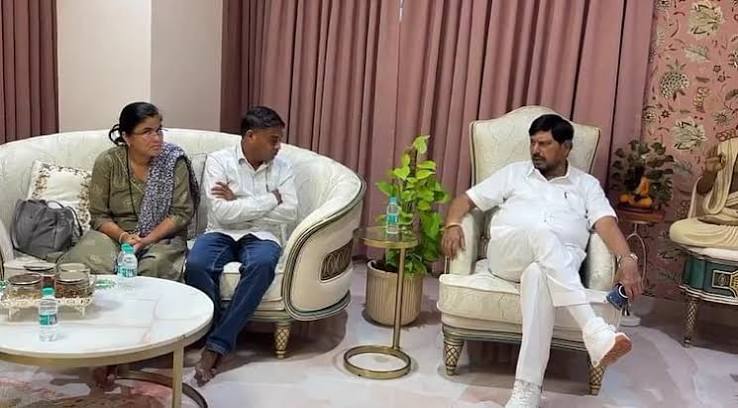
The family alleges that the police investigation is not being conducted seriously. They have filed a petition in the Bombay High Court seeking a CBI or SIT investigation, supervision by a retired judge, preservation of CCTV footage, and witness protection. Mumbai: Union Minister of State for Social Justice and Empowerment and RPI President Ramdas Athawale has taken a strong stand in support of the family in the case of Sahil Ravindra Wakode, a second-year B.Tech student at IIT Bombay, who committed suicide in his hostel room on September 18th. He termed the social media campaign against the bereaved family as false and insensitive and appealed for an impartial investigation. In his statement, Athawale said that Sahil’s parents, Ravindra and Sonali Wakode, met him at his residence, ‘Samvidhan Niwas’, a few days ago. They have lost their young son. Despite such immense grief, they have not passed any judgment on anyone. They are fighting the case fully through the legal process. They have filed a police complaint and petitioned the Bombay High Court for an independent CBI/SIT investigation. Their only demand is that the truth be revealed. Athawale further stated, “Unfortunately, some people are misrepresenting this case and passing judgment on social media before the investigation is complete. The parents who lost their son know their child best. That is why they are fighting for the truth. It is wrong and insensitive to launch a social media campaign against a grieving family. A trial should not be based on selective videos on social media; the truth should emerge through an impartial investigation.” He described the SC/ST Act as a shield for the protection of Dalit and tribal communities and said that where a complaint is proven false, the law should do its work, but questioning the entire law on the basis of one incident is injustice to the victims. Athawale urged everyone to allow the investigating agencies and the court to do their work. He expressed full faith in the judiciary and said that he and the RPI stand firmly with Sahil’s parents. The fight will continue until justice is achieved. Sahil Wakode, a resident of Yavatmal, was a second-year student in the Energy Science and Engineering department at IIT Bombay. He was allegedly caught with a mobile phone during the mid-semester exam on September 18th. According to the institute’s initial statement, he had uploaded the question paper to the chat platform GPT and requested answers. A few hours after the exam, he was found hanging in his hostel room in the evening. No suicide note was found. The family alleges that Sahil suffered caste-based humiliation and mental torture. His father, Ravindra Wakode, alleged that Professor Suryanarayan Dulla (who was also the invigilator of the exam) had been making casteist remarks for the past three months and that he was harassed at the direction of Director Shirish Kedare. The family claims that Sahil was removed from the examination hall, reprimanded, and prevented from continuing with the examination by not providing a new answer sheet as required by the rules. Sahil also tendered a written apology and requested a second chance. On September 19th, based on Ravindra Wakode’s complaint, an FIR was registered at the Powai police station under sections of abetment to suicide (now the relevant section of the Indian Penal Code) and the SC/ST (Prevention of Atrocities) Act. Professor Dulla and other officials were named. The investigation was handed over to the Mumbai Police Crime Branch, which is being led by an ACP-rank officer. The Crime Branch has so far recorded statements from over 40 people, including family members, students, hostel staff, and faculty. Sahil’s mobile phone and laptop were sent for forensic examination. CCTV footage, which records his movements from the examination hall to the hostel, is being examined. Professor Dulla was removed from his position as Administrative Dean and placed on leave. The institute also formed a 10-member internal committee. The family alleges that the police investigation is not being conducted seriously. They have filed a petition in the Bombay High Court demanding a CBI or SIT investigation, oversight by a retired judge, preservation of CCTV footage, and witness protection. An application has also been filed with the Special Atrocities Court. Student protests continue on the IIT Bombay campus. The family also held a hunger strike at Azad Maidan. Several organizations demanded justice. Athawale criticized the selective videos and accusations circulating on social media, stating that the trial should be conducted through an impartial investigation, not on social media. Geetha Sunil Pillai Courtesy: Hindi News
“Don’t become capable… become capable” post sparks uproar: Dalit youth files police complaint against IIT Patna Registrar
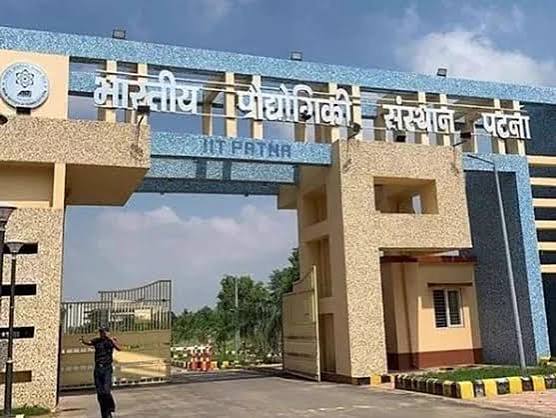
BANAE writes to the Ministry of Education demanding the suspension of Avalendra Kumar Thakur Patna – The controversy surrounding an alleged post shared on social media in the name of IIT Patna Registrar and Dean (Administration) Avalendra Kumar Thakur has now reached the police station and the central government. A Dalit youth from Patna has filed a complaint at the SC/ST police station in Patna, demanding the registration of an FIR against Thakur. Citing this complaint, the Dr. Babasaheb Ambedkar National Association of Engineers (BANAE) has written to the Secretary and Joint Secretary of the Ministry of Education, demanding Thakur’s suspension. Thakur is refusing to accept the post as his own. Complainant Aditya Kumar Paswan, in his application to the Station House Officer (SHO), identified himself as a member of the Scheduled Caste community. He has accused Thakur of hurting the sentiments of the Dalit community, insulting the Constitution, and spreading animosity in society. According to the complaint, Thakur posted on LinkedIn and other social media platforms calling for a review of the reservation and exemption policy and termed it a political tool to create and maintain a “vote bank”. According to the complainant, Thakur wrote another post on his social media account: Don’t be capable, be a Dalit, success will follow you – Indian Constitution. The complainant claims this line was written in the name of the “Indian Constitution,” but there is no such thing in the Constitution. According to him, it implies that Dalits achieve success not through merit but solely through caste, which is an insult to the talent and struggle of the Dalit community and a denigration of the Constitution. He alleges that after the post became public and drew protests, the accused deleted it, but he retains a screenshot of it and has attached it with the complaint. Paswan wrote that he himself belongs to the Dalit community and was deeply shocked by the post. He believes that such a public statement by a high-ranking government official could increase hatred and resentment towards Dalits and reserved communities and threaten social harmony. He added that the matter is even more serious given the accused’s position, as students and employees from reserved communities expect justice under him. The complainant demands that the SC/ST (Prevention of Atrocities) Act be repealed. An FIR should be registered under relevant sections (i.e., sections 196, 299, and 353) of the Prevention of Atrocities (Prevention of Atrocities) Act, 1989 and the Indian Penal Code, 2023. All digital evidence related to both posts, especially the deleted Facebook post, should be preserved. Information should be sought from the concerned social media company, and the matter should be investigated impartially and timely and legal action should be taken. In a letter to the Secretary of the Ministry of Education and the Joint Secretary in charge of IIT, BANAE National President Nagsen Sonare cited the complaint filed at the SC/ST police station in Patna. The letter alleges that Thakur, through his LinkedIn posts and other social media, mocked and insulted the entire SC/ST community and the Indian Constitution. The organization states that this violates IIT Patna’s conduct rules and the SC/ST Prevention of Atrocities Act, 1989. The letter demands: Thakur be suspended, IIT Patna should take the initiative to file an FIR against him, The Ministry should direct the Director of IIT Patna to take immediate action. Give instructions. What is the controversy? IIT Patna has received several complaints from faculty members and rights activists. These include comments allegedly made on LinkedIn and Facebook in Thakur’s name. The LinkedIn post called on the government to review the reservation provision for 10 years in the Constitution. A faculty member from the institute’s Electrical Engineering Department wrote to the Director, demanding the preservation of evidence, a formal investigation, and disciplinary action. Another faculty member, speaking on condition of anonymity, said that such comments from a person holding a position like the Registrar could erode the trust of students and faculty. Activist Anil Wagde also sought information from the Chairman and Director about the action taken and demanded an FIR. Director Amit Patra stated that the matter is being investigated. He said, “Necessary action will be taken if the allegations are proven.” Thakur has denied these posts, calling them “fake, fabricated, tampered with, and false.” He also stated that his opponents may have fabricated more such material, of which he is aware. He is not, and he will take action against those who posted these comments in his name. Geetha Sunil Pillai Courtesy: Hindi News
Gandhi courted arrest, but gen z contests it
The courtroomsare now becoming an alternative arena of political contest, with legal proceedings competing with the original cause for public attention. The recent agitations in Delhi, particularly those associated with the Cockroach Janata Party and student organisations such as the All India Students’ Association (AISA), is pointing towards an emerging incongruity. The principal objective of the agitation now seems to be the dodging detention or securing judicial relief. The Delhi High Court’s recent dismissal of AISA chief Neha Bora’s plea against a peace-bond notice issued in connection with a protest against the Chief Election Commissioner (CEC) brings this evolving relationship between street politics and judicial intervention into focus. The courtroomsare now becoming an alternative arena of political contest, with legal proceedings competing with the original cause for public attention. This approach marks a departure from the dominant grammar of political agitation in the decades preceding the present times. For much of the freedom struggle, and even during the Emergency, the political choice for agitators was to either evade arrest by going underground or openly defy the law and court arrest. The inspiration for this tradition came from Mahatma Gandhi, for whom civil disobedience was much more than a political tactic. By surrendering personal liberty, the protester sought to expose the moral limitations of a law or government perceived to be unjust. Gandhi’s trial for sedition in Ahmedabad on March 18, 1922, remains among the most compelling illustrations of this philosophy. Charged under Section 124A of the Indian Penal Code for articles published in Young India, Gandhi pleaded guilty, declaring that affection could not be manufactured by law and described the sedition provision as the foremost instrument for suppressing citizens’ liberty. Gandhi argued that if opposing an unjust system was an offence under its laws, he was prepared to accept the punishment.Judge CN Broomfieldacknowledged Gandhi’s extraordinary moral stature while maintaining that his judicial oath required him to administer the law andhe sentenced Gandhi to six years’ imprisonment. Gandhi accepted the verdict with dignitywithout denying the court’s authority to pronounce judgment.The distinction is crucial. Gandhi did not consider every arrest an injustice or every judicial proceeding an opportunity to escape accountability. Contemporary protest politics presents a more complicated picture. Today’s agitators argue that the Constitution guarantees freedom of expression and peaceful assembly. The government counters that when restrictions are in place, assembly, even peaceful, is violation of law. Which the agitators rebut saying peaceful protest cannot be reduced to a privilege granted by the executive. However, frequently going to court to challenge this ‘privilege’ could be self-defeating for agitators.Their rivals wouldalso point that since the charges against the CEC are under legal adjudication, there could be no justification in public protest demanding his resignation.This does create a question of political strategy. When the legal battle begins to substitute for the political one, the movement loses steam. An agitation that initially draws energy from public anger must eventually demonstrate that it possesses a coherent programme, clearly articulated demands and the capacity to sustain public engagement. Otherwise, repeated confrontations with police and legal challenges risk trapping it in a cycle of protest and litigation. The ongoing movement seeking to extend its relevance beyond the initial outburst of public anger last summer, faces a serious strategic challenge. Gandhi’s method demands willingness to accept the consequences of deliberate civil disobedience, not merely a readiness to invoke constitutional protections when the state intervenes. Adopting Gandhian methods is therefore easier said than done. A protest survives not because its organisers successfully avoid arrest but because they persuade society that their cause deserves support. Gandhi understood that the willingness to face punishment could sometimes strengthen a movement more than the ability to escape it. Today’s agitators must decide whether their principal objective is to challenge the state, challenge its actions in court or build a compelling public case that can withstand both political opposition and judicial scrutiny. Sidharth Mishra Courtesy : TNIE Note: This news is originally published on https:/thenewindianexpress.com/bha and is used purely for non-profit/non-commercial purposes, especially human rights