
Prof. Ratan Lal issued a show-cause notice by Hindu College for protesting admission irregularities; Dr. Anil Jaihind remarks—”Manuvadis cannot tolerate a Dalit with a backbone!”
The notice describes Prof. Ratan Lal’s conduct as detrimental to the college’s internal discipline and inappropriate for a teacher. It further states that he issued statements to external agencies, including the media, and persisted in repeating allegations despite the university’s clarification that admissions were based on university-issued lists and any errors stemmed from algorithmic glitches at the university level. He gave statements to the media and raised the issue with senior university and college officials. The Governing Body asserts that this has damaged the college’s institutional image and reputation. It claims a violation of Delhi University’s service rules and the code of professional ethics, which expect teachers to cooperate, behave respectfully, and refrain from making baseless allegations. His conduct has been termed detrimental to the college’s internal discipline and inappropriate for a teacher. The notice directs Dr. Ratan Lal to submit a written reply within seven working days explaining why disciplinary action should not be taken against him for gross misconduct, indiscipline, and insubordination. Failure to respond on time will be construed as an admission of the charges, and action will be taken in accordance with the rules. The notice bears the signature of T.C.A. Rangachari. On Wednesday, Prof. Ratan Lal posted the notice on his social media handle, writing: “Today, someone from the Hindu College staff delivered this to my personal staff at home. Read carefully—the letter is dated September 8, yet it was delivered today. Another example of the privatization of Hindu College. Now, this college doesn’t need a Principal; the Chairman will run it. Under Delhi University statutes, can a Chairman issue a show-cause notice? And that too to the Staff Association President, addressing them by their personal name?” Reacting to this notice, Dr. Anil Jaihind, head of the Congress OBC Cell, wrote, “Those with a ‘Manuvadi’ mindset cannot tolerate a Dalit with a spine. There is no place for such ‘Manuvadis’ in independent India. Action must be taken.” The matter pertains to a no-confidence motion moved by the college staff association against Principal Anju Srivastava, raising the issue of alleged irregularities in admissions under the sports and ECA quotas. According to the facts stated in the notice, this action is based on those very statements. Geetha Sunil Pillai Courtesy: Hindi News
Why are student protests at IIT Bombay continuing after Sahil Wakode’s death? APPSC reveals the full story!
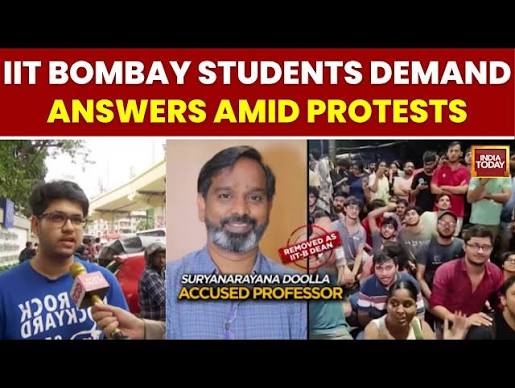
Students allege that Professor Doola deviates from established invigilation procedures and has further tightened the examination code in recent semesters. According to the students, Doola is known for a style of “making an example of some to punish others,” and they demand his removal from all teaching and administrative positions. Mumbai – Protests have been ongoing at the Indian Institute of Technology Bombay (IIT-B) campus for the past six days. This outrage was sparked by the death by suicide of student Sahil Wakode on the night of Friday, September 18. The Ambedkar Periyar Phule Study Circle (APPSC-IIT Bombay), a group representing Bahujan students, has issued a detailed statement explaining the reasons behind the ongoing protests. Sahil Wakode, a 22-year-old second-year B.Tech student, hailed from Yavatmal, Maharashtra. On the afternoon of September 18, he was accused of misusing a mobile phone during an examination. Professor Suryanarayana Doola, the exam invigilator and Dean of Student Affairs, escorted Sahil out of the examination hall. According to the APPSC statement, Sahil was questioned privately in the presence of two other professors and threatened with a one-year academic suspension—despite institute rules mandating that a student be allowed to complete the exam even in cases of alleged misconduct. That same evening, Sahil was found dead in his hostel room. News of the incident triggered massive outrage within the student community, and a large number of students gathered at the main gate that very night. Students linked not only Sahil’s death but also three other deaths that occurred last year during Director Shirish Kedare’s tenure—those of Sohail, Naman, and Rohit—to a lack of administrative accountability. Students’ Key Demands: Resignation and Accountability According to the APPSC, the students’ primary and unwavering demand is for Director Shirish Kedare to resign. Students state that during Kedare’s two-year tenure, campus security was tightened, social and communal spaces were closed, and punitive measures—such as fines, academic suspensions, and hostel evictions—were arbitrarily imposed. The second major demand concerns Professor Doola. Students allege that Doola operates outside established invigilation procedures and is credited with making examination codes stricter in recent semesters. Students claim Doola is known for a style of “punishing a few to set an example for the rest” and argue that he should be removed from all teaching and administrative positions. According to the APPSC, Professor Doola took a student named Sahil out of the examination hall, interrogated him privately in the presence of two other professors, and threatened him with a one-year academic suspension; this occurred despite institute rules mandating that a student be allowed to complete the exam even in cases of alleged misconduct. The Night of September 20: Compromise or Betrayal? On the evening of September 20, while the Director himself was present among the gathered students, the Student Council—described by the APPSC as a “nominated body” that undermines student demands—allegedly colluded with members of a right-wing leaning group called “IIT-B for Bharat” to intimidate students, seize the microphone, and silence voices raising the original grievances. The APPSC alleges that the charter of demands signed by the Director did not align with the students’ actual demands. According to available reports, Kedare stated that night, “I will resign, but due process must be followed, and I will announce my decision after Monday’s meeting,” before signing the 18-point charter of demands. However, the institute later denied reports of Kedare’s resignation. While Professor Doola was suspended from his position as Dean, he was not removed from his teaching role. At the open house held on the evening of September 21, a large number of Faculty Forum members arrived with banners and posters to rally in support of Doola—a move the student organization termed a “mockery of claims about bridging the gap between the administration and students.” According to reports, the Faculty Forum maintained that Doola had acted in accordance with institutional procedure when he caught Wakode engaging in the “unauthorized use” of a mobile phone during an examination. The institute’s 750-member Faculty Forum has also spoken of planning a campus march in support of Doola. The brazen manner in which the Faculty Forum demonstrated solidarity with Doola on the evening of the 21st—welcoming him to the open house amidst a crowd carrying banners and posters—makes a mockery of the measures the IIT had promised to take to improve relations between students and the administration. – Ambedkar Periyar Phule Study Circle (APPSC) Concerns of Dalit Students and the Caste Dimension Dalit students on campus feel increasingly insecure following these events, and there have been reports of a rise in casteist remarks and abuse. It is worth noting that this is not the first time allegations of caste-based discrimination have surfaced following a student’s death at IIT-B; after the death of Dalit student Darshan Solanki in 2023, the APPSC had termed it an “institutional murder.” Regarding the Sahil Wakode case, media reports citing the police investigation indicate that no mention of caste was found in his final conversation with a female friend; however, this does not entirely refute the students’ claims regarding the prevailing atmosphere on campus. The APPSC has directly alleged that the Student Council worked to dismantle the initial spontaneous solidarity under the guise of “proceduralism” and collaborated with the administration to suppress student voices during the open house on September 21. The statement further asserts that students who consistently demand accountability are being subjected to a “witch-hunt,” proving that the administration has no intention of ensuring accountability or implementing reforms. The APPSC demands the immediate resignation of this “casteist, authoritarian, and dictatorial administration.” Students are demanding the resignation of Director Kedare, the removal of Professor Doola from all positions, and an independent inquiry into the deaths that have occurred over the past few years, including that of Sahil. Students are dismissing the emails sent by the institute regarding mental health counselors as “hollow solace,” arguing that the real issue—a punitive administrative culture—remains unchanged. Geetha Sunil Pillai Courtesy: Hindi News
Father of dalit IIT-Bombay student who died by suicide in 2023 detained at stir
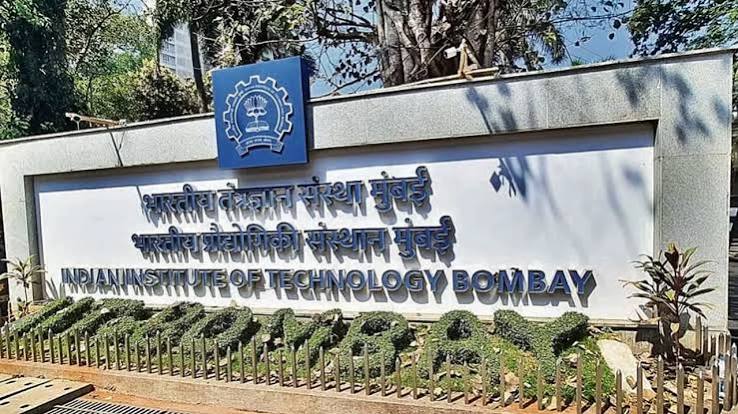
MUMBAI: The father of a dalit IIT-B student who died by suicide in 2023, Darshan Solanki, was detained by Powai police along with others protesting caste discrimination on the campus on Monday. According to a letter signed by the father, Rameshbhai Solanki, which was shared online, he sought a meeting with IIT-B director Shireesh Kedare to discuss steps taken after the three deaths by suicide at the institute this year. The protesters were denied entry into campus. Tejaswin Anoopkumar, one of the protesters, alleged that he was “brutally manhandled” by police and that his clothes were torn. Courtesy : TOI Note: This news is originally published on https:/timesofindia.com/bha and is used purely for non-profit/non-commercial purposes, especially human rights
Dalit Youth Dies by Suicide Inside Pratapgarh Police Station, SHO and SI Suspended
A 22 year old Dalit youth allegedly died by suicide after hanging himself inside a restroom at Patti police station in Uttar Pradesh’s Pratapgarh district on Monday. SendMoney Overseas Taking serious note of the incident, Pratapgarh Superintendent of Police Deepak Bhuker suspended station house officer Anand Pal Singh and sub inspector Omkar Singh for alleged dereliction of duty. The youth, identified as Arjun alias Shailesh, had been arrested in connection with a minor girl’s alleged abduction and was brought to the police station on Sunday. He was scheduled to be produced before a court on Monday. Youth Found Hanging Inside Police Station According to Additional SP Pratapgarh East Alok Kumar, Arjun went to the toilet on the police station premises and allegedly hanged himself. “The accused went to the toilet on the police station premises on the pretext of relieving himself and hanged himself,” Kumar said. Senior police officials, forensic experts and additional police personnel reached the station after being alerted and began an investigation into the circumstances surrounding the death. Youth Had Faced Two Abduction Complaints Police said the first FIR against Arjun was registered on July 11 after the brother of a 17 year old girl accused him of abducting her. The case was registered under Sections 137(2) and 87 of the Bharatiya Nyaya Sanhita. Police later recovered the girl from Hyderabad. She reportedly told a court that she had left home after being scolded by family members. Police said no criminal case was established against Arjun following her statement. However, the girl’s father filed another complaint on August 17, alleging that Arjun had abducted his daughter on August 16. A case was registered under Section 137(2) of the BNS. Acting on the complaint, a Patti police team traced Arjun and the girl to Ghaziabad and brought them to the police station on Sunday. The girl was subsequently sent to a one stop centre, while Arjun was kept in the investigation room. Police said the investigation into the circumstances of his death is underway. Courtesy : TOP Note: This news is originally published on https:/theobserverpost.com/bha and is used purely for non-profit/non-commercial purposes, especially human rights
Now, the issue of caste discrimination in Prayagraj has heated up, with the High Court taking a serious view of the allegations made by a National Law University student.
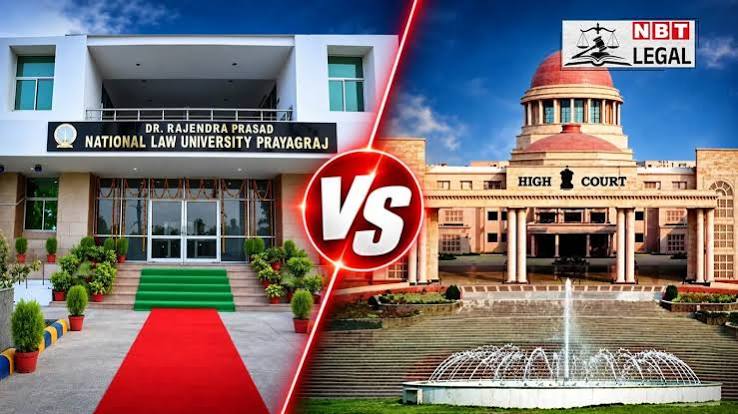
A Dalit student at Rajendra Prasad National Law University in Prayagraj has accused the warden of caste discrimination. The Allahabad High Court, considering it serious, has formed an independent inquiry committee. Dalit student alleges caste discrimination at Prayagraj NLU; High Court orders investigation New Delhi: Caste discrimination is a serious issue in universities, where the foundation for students’ futures is laid. Considering the alleged caste discrimination and harassment of Dalit students at Dr. Rajendra Prasad National Law University in Prayagraj as serious, the Allahabad High Court has ordered a judicial inquiry. The case relates to a petition filed by a BA LLB (Hons.) student and a PhD scholar. The students allege that the Head of the Law Department and the Warden of the Boys’ Hostel made comments regarding their caste and reservations and influenced their academic evaluations. The veracity and authenticity of the matter is yet to be established, and therefore, no allegations have been proven at this time. Dalit students allege discrimination; what’s the whole matter? This case arose following a petition filed by two students at Dr. Rajendra Prasad National Law University in Prayagraj. One petitioner is a PhD scholar at the university, while the other is a fifth-semester LLB (Hons.) student. Both students reside in the university hostel. They allege that the Dean of the Law Department and the hostel warden abused their authority and subjected them to caste-based insults. They also suspect that their answer sheets in their examinations were evaluated more strictly based on caste. Hearing in the High Court, then an inquiry committee formed A single bench of Justice Vinod Diwakar in the Allahabad High Court heard the students’ petition. The petition stated that the students had previously filed a complaint with the Vice Chancellor, but despite repeated reminders, no action was taken against Dr. Sharma. The petition alleges that the warden made comments on several occasions about the students’ caste and the reservation benefits they received. During the hearing, the Court stated that the allegations are serious and require an impartial investigation, after providing the accused academic, who is also the warden, a full opportunity to present his or her side and be heard. The Court appointed Judge Archana Singh of the Small Causes Court in Prayagraj and Chief Judicial Magistrate Arun Kumar Yadav to investigate the allegations. The next hearing in the case is scheduled for September 24. The High Court has ordered the person concerned to be relieved of all administrative responsibilities until the investigation is completed. They are also directed not to be involved in the evaluation of the petitioner student’s answer sheets. The investigation will require the Committee to determine whether Scheduled Caste or Scheduled Tribe students have been subjected to caste-based humiliation or discrimination by Respondent No. 6 or any other person employed or profitably employed by the University, and whether the University has taken action in accordance with applicable regulations to address the complaints. Focus and Scope of the Inquiry Committee The Inquiry Committee, appointed by the court, is to investigate whether alleged caste-based humiliation or discrimination occurred against SC/ST students and whether the university responded to complaints in accordance with applicable regulations. The Inquiry Committee will also hear the warden’s side of the case and attempt to gather evidence. The Committee has been directed to take necessary steps to protect the identities of the students testifying. A deadline has been set for the Committee. It has been directed to submit its investigation report to the Court in a sealed envelope before the next hearing on September 24. What are the legal aspects under the Constitution and the SC/ST Act? Article 15 of the Indian Constitution prohibits the State from discriminating on the basis of caste and allows for special provisions for backward classes, including SC/STs. Article 14 of the Constitution provides constitutional protections related to the principle of equality, and Article 17 provides constitutional protections related to the abolition of untouchability. Depending on the circumstances and specific facts of the allegations in the case, the provisions of the Scheduled Castes and Scheduled Tribes (Prevention of Atrocities) Act, 1989 may also be relevant, but the court order has not definitively confirmed the applicability of any specific criminal section in this case. The Legal Path Forward First, a committee constituted by the Allahabad High Court must investigate the allegations and the actions taken by the university and submit its report, after which the High Court’s stance will be decided. The next hearing in the case is scheduled for September 24, 2026. Only then can we hope that the truth will emerge. Authored by: Manish Raj About the Author Manish Raj is currently serving as Consultant Legal Editor at Navbharat Times Online. He began his journalism career 24 years ago with a leading national news broadcast media channel like Rashtriya Sahara. Courtesy: Hindi News
Savitribai Phule calls for unity to protect the Constitution and reservations: Former MP speaks at Dalit Jan Jagran Sammelan in Balaha
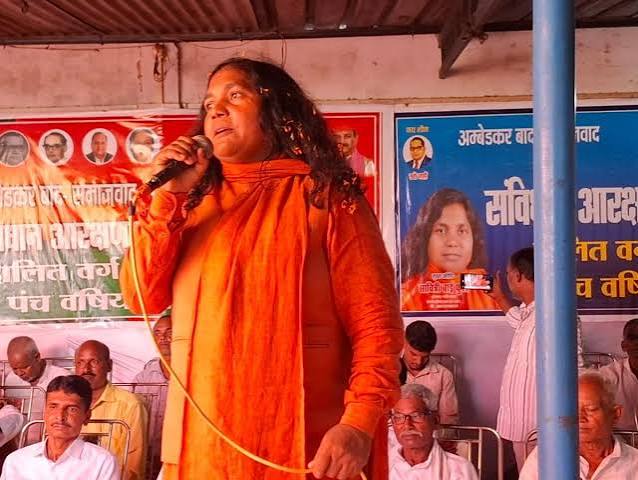
On Sunday, a Dalit Jan Jagran Sammelan, “Save the Constitution, Reservation, and Freedom,” was held at the residence of former MP and former MLA Savitribai Phule at Matiha turn in the Balaha assembly constituency. The conference called for awareness and unity in protecting the Constitution and reservations. Keynote speaker, former MP Savitribai Phule, stated that she had resigned from the BJP and the post of MP to protect the Constitution and the country. She stated that it is now necessary to think seriously about the Constitution and reservations. People must become aware of their constitutional rights and unite to protect them. She further stated that the Constitution has given the deprived and Dalit communities the opportunity to represent them in positions such as Pradhan, BDC, District Panchayat member, and MLA. If constitutional rights and reservations are weakened, the representation of the deprived communities will be affected. She appealed to the people to understand and be vigilant about the power of their vote. Former SP candidate from the Balha Assembly constituency, Achhaybar Nath Kanaujia, said that it is essential for society to unite to protect its rights and privileges. Former chief Jaynkar Singh, citing Hitler’s rule, warned people about their rights through the story of a rooster. Several other speakers, including former Assembly Speaker Vishram Yadav, former Pradhan Premdhari, and SP General Secretary from the Balha Assembly, Dr. Enuddin, also spoke. Harish Chandra raised awareness through Birha, while Ragini Sonkar presented a cultural program. A large number of people from various villages in the constituency attended the conference. Durgesh Kumar | Mihipurwa Nagar Panchayat (Motipur), Bahraich Courtesy: Hindi News
IIT-Bombay students press for 18 demands after Dalit student’s suicide
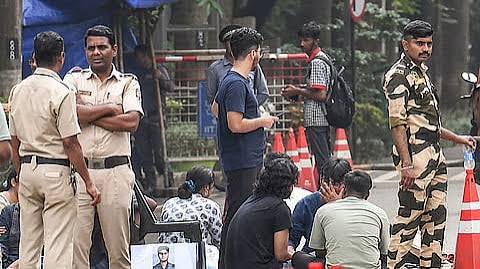
In a late-night meeting on Sunday, institute director Shireesh Kedare held discussions with the protesting students. In the case involving the suicide of a Dalit student, the Board of Governors of IIT-Bombay will meet on Monday to discuss the issue, amid protests by students who are pressing for 18 demands. An open house with students is also expected to be held. In a late-night meeting on Sunday, institute director Shireesh Kedare held discussions with the protesting students. Sahil Wakode, 20, a student at the Indian Institute of Technology Bombay, died by suicide in his hostel room after he was allegedly caught using his mobile phone during an examination on Friday (September 18). The students accused Professor Sooryanarayana Doola, who was an invigilator in the exam hall where Sahil was taking his mid-term examination on Friday, of pushing him to take the extreme step. Sahil’s parents filed an FIR against Doola and other institute officials, accusing them of abetment and harassment over the past three months. The students have demanded Doola’s suspension. They have also demanded a public apology for allegedly “defaming” Sahil and an open house with all stakeholders before September 22, according to a report. Meanwhile, the IIT Bombay Faculty Forum has expressed solidarity with exam invigilator Suryanarayana Doolla, saying that he was following institutional protocol after discovering that the student was in “unauthorised possession and use of a smartphone.” Sahil’s is the third reported case of suicide at the IIT Bombay campus in Powai in seven months. In February, a second-year student died by suicide in a hostel. In July 2026, at the beginning of the new semester, a 20-year-old second-year BTech student also died by suicide. Courtesy : TNIE Note: This news is originally published on https:/thenewindianexpress.com/bha and is used purely for non-profit/non-commercial purposes, especially human rights
Akhilesh Yadav focus on price rise, Dalits ahead of 2027 Uttar Pradesh Assembly polls
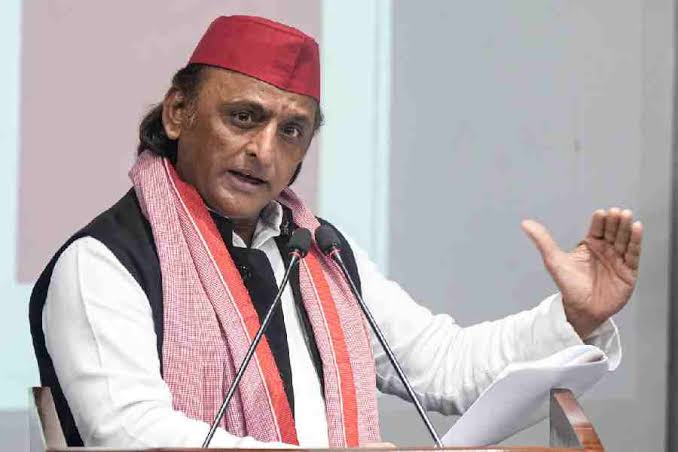
Samajwadi Party chief alleges attacks on Ambedkar statues, paper leaks and stalled investments while promising to restore Dalit dignity after returning to power Samajwadi Party chief Akhilesh Yadav said on Sunday that the BJP was “not only anti-Constitution but also anti-Ambedkar”, setting the tone for his cadres for the Uttar Pradesh Assembly election campaign. At a meeting of the SP state executive committee, former chief minister Akhilesh said: “The BJP is not only an enemy of the Constitution, but also of the poor. They don’t respect his (Ambedkar’s) people (Dalits). That is the reason that right from diesel and petrol, the prices of all essential items are going up. They do it to increase their own income and at the same time block the supply of essential commodities in the market to create the perception of a crisis.” “On an average, 15 statues of Babasaheb Bhimrao Ambedkar have been damaged under BJP rule every year. We have documented it and found that 151 statues (of Ambedkar) were desecrated. The most cases are reported from Ballia, Azamgarh, Mathura and Gorakhpur,” Akhilesh added. “Many such attacks in Gorakhpur couldn’t be listed,” he said, referring to chief minister Yogi Adityanath’s constituency. “The Samajwadi Party will restore the honour of Babasaheb after forming the government in 2027.” “Uttar Pradesh reported the most number of paper leaks. They (the BJP) had shown us the dream of investments, but it didn’t happen. They took land from farmers without giving them adequate compensation, but industries didn’t come up here,” Akhilesh said. The Samajwadi Party is focusing on PDA (Peechchra-OBC, Dalit and Alpsankhyak-Muslim) votes as Uttar Pradesh gears up for Assembly elections next year. Courtesy : Telangana Today Note: This news is originally published on https:/telanganatoday.com/bha and is used purely for non-profit/non-commercial purposes, especially human rights
Bihar Cong demands Bharat Ratna for state’s ‘first Dalit CM’ Bhola Paswan Shastri
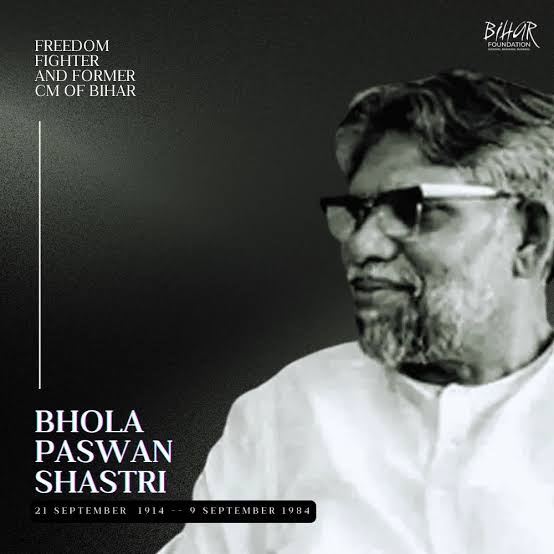
Patna, The Congress in Bihar on Sunday demanded Bharat Ratna for Bhola Paswan Shastri, the state’s “first Dalit chief minister”, whose final tenure was marked by the setting up of the Mungeri Lal Commission, which recommended quotas for the numerically powerful backward classes. The demand was raised at a press conference by Ravindra Paswan, chairman of the Bihar Pradesh Congress Committee’s Scheduled Castes cell. Paswan said the birth anniversary celebrations at Sadaqat Ashram, the BPCC headquarters, on Monday would be attended by AICC Scheduled Castes cell chairman Rajendra Pal Gautam and around 5,000 dele gates from across the state. Seeking the highest civilian honour for Shastri, Paswan highlighted that he served as CM three times and also held the posts of Union minister and Leader of the Opposition in the Rajya Sabha. He also pointed out that the Mungeri Lal Commission was set up during Shastri’s final tenure as chief minister in 1971-72. The commission submitted its report in 1977, during the chief ministership of socialist leader Karpoori Thakur, who was awarded the Bharat Ratna in 2024. Implementation of the commission’s recommendations by Thakur, which faced opposition from sections of the upper castes, was seen as a turning point in Bihar’s politics, with Other Backward Classes (OBCs) gaining greater political prominence following the Mandal movement of the 1990s. This report is auto-generated from PTI news service. ThePrint holds no responsibility for its content. Courtesy : The Print Note: This news is originally published on https:/theprint.com/bha and is used purely for non-profit/non-commercial purposes, especially human rights
Cong to protect land rights of Dalits, tribals: Ponguleti
Hyderabad: Revenue and housing minister Ponguleti Srinivas Reddy on Sunday assured Dalits and tribals that Telangana govt would not take even an inch of their land and urged them not to believe in what he termed as malicious propaganda by the opposition, aimed at creating fear over land rights. In a statement, the minister said the Congress-led govt had no policy of snatching land from the communities and would instead provide complete protection to their land rights. He said Congress had historically worked for the landless and weaker sections through land reforms and distribution of land. Ponguleti said Congress govts in the past had distributed around 25 lakh acres to Dalits in the Telangana region, especially during the Indira Gandhi-led govt and had also granted rights over nearly two lakh acres of Podu land to tribal communities. He said the ongoing verification of land records, surveys and resolution of land disputes should not be misconstrued as attempts to acquire land. The objective, he said, was to establish ownership, resolve disputes and protect existing rights. The minister alleged that certain “feudal elements” were deliberately spreading misinformation to create unrest among Dalits for political gains. He urged people to verify facts before believing such claims. He said re-surveys were being undertaken to identify the actual status of lands and grant rights to eligible Dalits and tribals. Long-pending land issues had been resolved in 15 revenue villages in Nutanakal and Maddirala areas of Suryapet district and in Narayanapuram village of Kesamudram mandal in Mahabubabad district, he added. Ponguleti said securing land rights would enable beneficiaries to access govt schemes and other benefits, reiterating that govt led by chief minister A Revanth Reddy stood firmly with the Dalit and tribal families. Courtesy : TOI Note: This news is originally published on https:/timesofindia.com/bha and is used purely for non-profit/non-commercial purposes, especially human rights