
Samajwadi Party’s ‘PDA’ Strategy On General Seats: Akhilesh Yadav To Field Over 100 Dalit Candidates In UP Assembly Polls
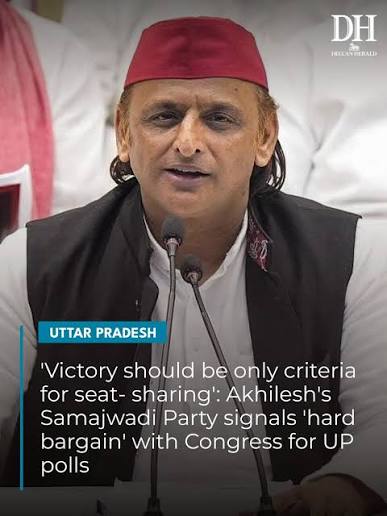
UP Assembly Election: Samajwadi Party is expanding its ‘PDA’ strategy for the 2027 UP Assembly elections, with Akhilesh Yadav planning to field over 100 Dalit candidates, including on general seats. This move aims to broaden SP’s voter base and challenge BJP’s social engineering in the state. Strategy aims to challenge BJP’s social engineering in UP. Jagran Correspondent, Lucknow: With just a few months remaining in the much-awaited Uttar Pradesh Assembly election, the Akhilesh Yadav-led Samajwadi Party (SP) has begun preparing its strategy. It is planning to expand the formula of “PDA” (Backward, Dalit, and Minority), the strategy that helped the Samajwadi Party in the 2024 Lok Sabha election as it emerged as the single largest party in the state. SP To Expand PDA Strategy As per the reports, along with seeking votes on the PDA formula, the socialist party is also planning to field candidates on this formula to target a larger voter base. Akhilesh Yadav is preparing a “2.0” version of the PDA formula, in which the “D” (Dalit) category of the PDA will also be assured a greater share. The reports suggest that along with the reserved seats, Akhilesh Yadav is in favor of fielding Dalit candidates on general seats as well. As per the experts, the effort is likely to increase the party’s acceptance among Dalit and non-Yadav backward voters while also challenging the BJP’s social engineering. More Dalit Candidates Likely Earlier in the 2022 assembly elections, the Samajwadi Party fielded Dalit candidates on only three general seats, in addition to the reserved seats. However, it is considering fielding Dalit and tribal candidates on over 100 seats, including 15 to 20 general seats in the 2027 polls, reported Jagran, citing sources. The party reportedly believes that fielding Dalit candidates on general seats will lead to political polarization in those seats, as well as in surrounding regions. The strategy could help the Akhilesh Yadav-led party in Western Uttar Pradesh and other regions where Dalits are in significant numbers. With this move, the SP also aims to weaken the BJP’s non-Yadav backward class and non-Jatav Dalit alliance. This equation has benefitted the saffron party for the past decade; however, the Samajwadi Party managed to make a dent in the last Lok Sabha elections. By Aditya Jha Courtesy : The Daily Jagran Note: This news is originally published on https:/thedailyjagran.com/bha and is used purely for non-profit/non-commercial purposes, especially human rights
Rape of Dalit girl in Nasirabad… Accused still absconding: Lok Janshakti Party and villagers protest, Samajwadi Party threatens agitation.
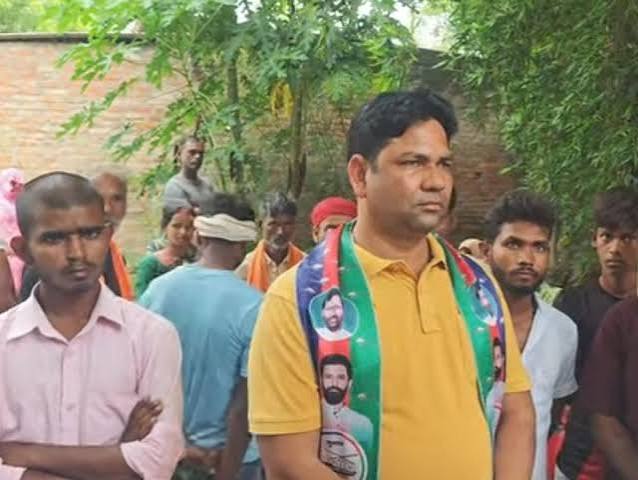
Lok Janshakti Party (LJP) workers and villagers protested on Thursday against the non-arrest of the absconding accused in the rape case of a Dalit girl in the Nasirabad police station area of Rae Bareli. Meanwhile, a delegation of the Samajwadi Party (SP) also met with the victim’s family and demanded immediate action. The incident dates back to last Tuesday, when a case was registered under sections of the rape and SC/ST Act for the rape of a Dalit girl. Police have arrested Prem Sagar Tiwari, but the other four accused are still reported to be absconding. Lok Janshakti Party, Amethi District President, Dharmraj Paswan, visited the victim’s family. The family alleged that the arrest of the remaining accused was being delayed and they were receiving constant threats. Following this, party workers and villagers protested in the village and demanded the immediate arrest of all the absconding accused. Assurances given to protesters Upon receiving information about the protest, Paraiya Namaksar outpost in-charge Atul Kumar Tripathi arrived at the scene with police force. During this, there was a minor altercation between the protesters and the police regarding the arrest of the accused. The police assured the protesters that continuous efforts were being made to arrest the absconding accused and that action would be taken soon. Following this, the protest ended. Demand for fair and strict action Meanwhile, a delegation from the Samajwadi Party also met with the victim’s family. SP leader Chaudhary Suresh Nirmal warned that if the absconding accused were not arrested within 24 hours, the party would launch a major agitation regarding the matter. He demanded fair and strict action from the police administration. LJP’s Chhavilal Pasi, Rakesh, Pushpendra, Ramesh and several other villagers were present on the occasion. Ashar Fapur (Salon), Rae Bareli Courtesy: Hindi News
TVK betraying farmers, DMK to hold stir in Thanjavur on August 3: MK Stalin
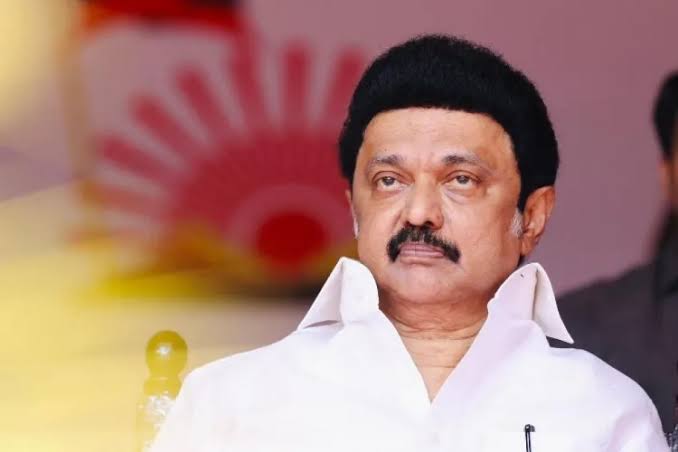
He added that the protest on Monday will demand firm steps to protect Cauvery water rights and a special relief package for delta farmers. CHENNAI: DMK president MK Stalin on Thursday accused the ruling TVK government of betraying farmers on multiple fronts. He announced a massive protest led by Leader of Opposition Udhayanidhi Stalin in Thanjavur on August 3, the day Chief Minister C Joseph Vijay is set to meet his Karnataka counterpart DK Shivakumar in Bengaluru for talks over Cauvery. Reacting to it, TVK headquarters accused the DMK leadership of speaking “as though the party is still in power” and asserted TVK “will never allow the interests of Tamil Nadu’s farmers and people to be harmed.” In his statement on X, Stalin listed four grievances against the state government: disappointment over crop loan waivers, lethargic approach to the Mekedatu dam issue, damage to kuruvai cultivation because Mettur dam has not been opened, and delay in convening an all-party meeting on Cauvery-related matters. He added that the protest on Monday will demand firm steps to protect Cauvery water rights and a special relief package for delta farmers. Stalin also warned of larger agitations ahead. TVK headquarters responded with an unnamed statement issued on X, dismissing the DMK’s charge of inaction on Mekedatu as self-indictive. “If the DMK leadership claims the Mekedatu issue arose only after May 10, 2026, isn’t it confessing as to who was actually sleeping on the issue?” the statement said. “Even after being thrown out by the people of Tamil Nadu, speaking as though he (Stalin) is still the CM is what being out of touch with reality looks like – but as usual, there seems to be no one in the DMK to point this out to its leadership,” the statement read. Chennai: The Madras High Court on Thursday ordered notice to the state assembly secretary and the other respondents directing them to file a counter-affidavit to the petition filed by AIADMK challenging the amendment made to the June 19 Assembly resolution on Mekedatu issue, for adding a clause on the demand for setting up a tribunal to resolve the issue. The first bench of CJ Sushrut Arvind Dharmadhikari and Justice G Arul Murugan directed the respondents to file the counter-affidavits within two weeks and adjourned the hearing in the petition filed by the party’s Whip Agri SS Krishnamurthy. Don’t hold talks with Karnataka: Anbumani to CM Chennai: PMK president Anbumani Ramadoss on Thursday urged Chief Minister C Joseph Vijay not to hold talks with the Karnataka CM on the proposed Mekedatu dam project, saying such a move would weaken Tamil Nadu’s long-standing opposition to the project. Speaking to reporters at Chennai airport before leaving for New Delhi, Anbumani challenged Congress leader Rahul Gandhi to clearly state his stand on the issue. “If Rahul Gandhi says in one sentence that Karnataka should not build the Mekedatu dam, we are ready to quit the NDA alliance,” the RS MP stated. Courtesy : TNIE Note: This news is originally published on https:/thenewindianexpress.com/bha and is used purely for non-profit/non-commercial purposes, especially human rights
Tushar Gandhi appealed to Satheesan and Chennithala, whom he described as personal friends, to follow the Congress high command’s line.
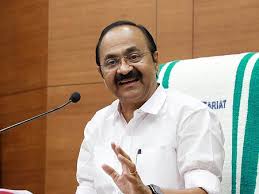
THIRUVANANTHAPURAM: Mahatma Gandhi’s great-grandson and president of the Mahatma Gandhi Foundation, Tushar Gandhi, has urged the state government to withdraw the FIRs and charge sheets filed against students who protested in solidarity with the Delhi protest. In his letter to Chief Minister V D Satheesan and Home Minister Ramesh Chennithala, Tushar Gandhi said he was “unpleasantly surprised” that Kerala Police had booked protesting students. “This does not behoove the progressive state of Kerala, and even more so, a government led by the Congress party,” he said in the letter. He noted that Congress leaders Rahul Gandhi and Priyanka Gandhi had backed the students’ movement. They had condemned the “brutal oppression” unleashed by the Union government and the Delhi Police. Action against students in Kerala, where the UDF government is in power, was “disgraceful,” he said. “Let me not remind you that the Congress was born out of the spirit of satyagraha; one expects much better from a Congress-led government, invoking the Congress party’s roots in the Satyagraha movement,” he said in the letter. Tushar Gandhi appealed to Satheesan and Chennithala, whom he described as personal friends, to follow the Congress high command’s line. Courtesy : TNIE Note: This news is originally published on https:/thenewindianexpress.com/bha and is used purely for non-profit/non-commercial purposes, especially human rights
‘First you broke their bones, now filing FIRs’: Rahul Gandhi warns PM Modi, Amit Shah to not ‘threaten Gen Z into silence’
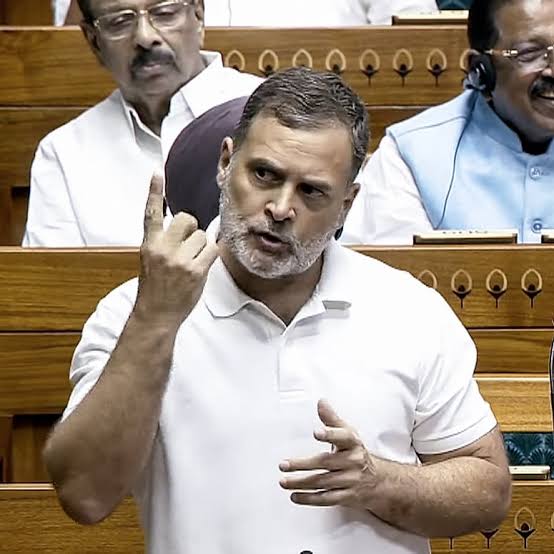
NEW DELHI: Leader of Opposition in the Lok Sabha Rahul Gandhi on Friday targeted Prime Minister Narendra Modi and Union Home Minister Amit Shah over the action against student protesters, alleging that the government was trying to “silence Gen Z” through FIRs and social media takedowns after directly attacking them during protests.Making a statement on X, the Congress leader said, “PM Modi and Amit Shah – you cannot threaten Gen Z into silence. First you broke their bones. Now you are filing FIRs and taking down their accounts.” Further taking a jab at PM Modi and Shah, he added, “You are India’s past. Be careful about how you treat India’s future.” This comes a day after Rahul demanded a Supreme Court-monitored, high-powered committee to investigate the alleged police action against student protesters during the July 20 demonstration at Delhi’s Jantar Mantar. In a post on X, the Congress MP had called for an impartial probe into the alleged use of force, saying, “Students deserve justice. An independent SC-monitored high-powered committee must be constituted to probe brutalities against our students.” Gandhi also shared a video purportedly showing police action against the protesters. The footage appeared to show police personnel lathi-charging demonstrators, while another clip showed a man in civilian clothes forcefully pushing a student carrying the Indian flag onto the road. His demand came as Opposition MPs from several INDIA bloc parties staged a protest at Makar Dwar in the Parliament complex over the alleged police action against students and the alleged embezzlement of donations meant for the Ram Temple in Ayodhya. The MPs gathered around 10.30 am, carrying placards questioning who ordered the police action at Jantar Mantar and raising slogans demanding accountability from the Centre over the alleged use of force and the alleged financial irregularities in donations to the Shri Ram Janmabhoomi Temple. The protest took place hours before the Rajya Sabha was scheduled to consider and pass the Public Examinations (Prevention of Unfair Means) Amendment Bill, 2026. Courtesy : TOI Note: This news is originally published on https:/timesofindia.com/bha and is used purely for non-profit/non-commercial purposes, especially human rights
Why are transgenders building a PM Modi temple in Bihar?
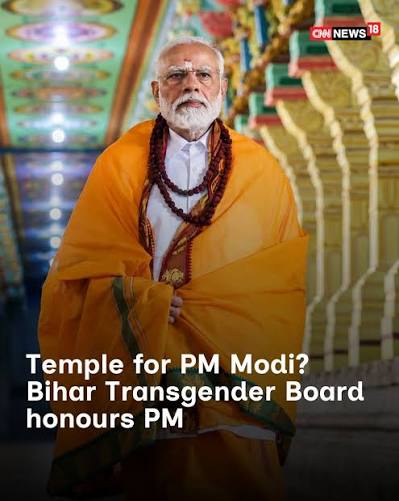
A proposal to build a temple dedicated to Prime Minister Narendra Modi has been approved by Bihar’s State Transgender Welfare Board. The board described the Transgender law passed by the PM Modi-led government as a milestone that gave the community institutional representation in the state. The Bihar State Transgender Welfare Board has approved a proposal to build a temple dedicated to Prime Minister Narendra Modi, saying the move is meant to honour him for giving the transgender community “respect and rights”. According to the news agency PTI, the proposal to build the temple was moved by the board member Ranjan Singh during the maiden meeting of the board under the Bihar Social Welfare Department. The proposal reportedly received unanimous support. Singh, who moved the proposal, said that the idea was brought by the fact that the transgender community in Bihar does not have a temple of its own and described the Transgender Persons (Protection of Rights) Act, 2019, passed by the PM Modi-led government as a milestone that gave the community institutional representation in the stat The temple proposal is less about religion than recognition. Members of the Bihar State Transgender Welfare Board say Prime Minister Narendra Modi is the first national leader who gave the community legal recognition and a formal place in governance. For the board, the temple is therefore a symbolic expression of gratitude rather than simply a place of worship. Its members see the proposal as an acknowledgement of what they consider the Centre’s role in bringing transgender rights into India’s legal and policy framework. WHAT CHANGED AFTER THE 2019 ACT? The Transgender Persons (Protection of Rights) Act, 2019, was the first central legislation dedicated to protecting the rights of transgender persons in India. Enacted by the central government, the law prohibits discrimination against transgender people in education, employment, healthcare, housing and access to public services. It also provides for the issuance of identity certificates, directs governments to frame welfare measures and calls for the establishment of institutional mechanisms to safeguard the community’s rights. The law also paved the way for the creation of bodies such as the National Council for Transgender Persons and prompted states to set up their own welfare mechanisms. In Bihar, the state government constituted the Bihar State Transgender Welfare Board in August last year under the Social Welfare Department to work towards the community’s social development and empowerment. It was this board that approved the proposal to build a temple dedicated to PM Modi, with its members describing the law as a milestone that gave the community greater institutional recognition. THE PROPOSAL TO BUILD TEMPLE FACES BACKLASH While the Bihar State Transgender Welfare Board has credited the central government for bringing legal recognition to the community, the Transgender Persons (Protection of Rights) Act, 2019, has also faced criticism from transgender rights activists across the country. Several organisations had opposed the law, arguing that its process for obtaining a transgender identity certificate placed unnecessary bureaucratic hurdles in the path of self-identification. Others criticised the absence of provisions for reservations in education and public employment, saying the legislation fell short of addressing the community’s long-standing demand for affirmative action. The differing reactions highlight that the transgender community is not monolithic. While the Bihar board sees the 2019 law as a milestone worthy of symbolic recognition, many activists continue to argue that the fight for equal rights and representation remains unfinished. For now, the temple remains a proposal. The Bihar State Transgender Welfare Board has approved the plan, but construction can begin only after the state government allots land and the necessary administrative approvals are in place. The proposal was unanimously backed by the board’s members during its maiden meeting, according to PTI. If it moves forward, the temple would be one of the rare instances in India of a place of worship being dedicated to a sitting Prime Minister. Written By: Gaurika Gulati Courtesy : India Today Note: This news is originally published on https:/indiatoday.com/bha and is used purely for non-profit/non-commercial purposes, especially human rights
Parliament passes Transgender Persons Amendment Bill, 2026 with Rajya Sabha approving it today
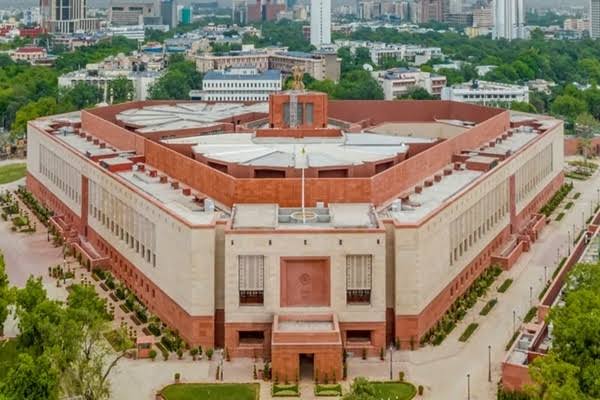
Parliament has passed the Transgender Persons (Protection of Rights) Amendment Bill, 2026, with the Rajya Sabha approving it today. The bill was passed by the Lok Sabha yesterday by a voice vote amid an Opposition-led walkout. The bill seeks to redefine the category of transgender, removes the provision of self-perceived gender identity and excludes several socio-cultural identities as well as transmasculine individuals from its ambit. It also further defines transgender persons within a biological framework, based on intersex variations and differences in sexual development. Replying to the discussion on the Bill in the Rajya Sabha, Social Justice and Empowerment Minister Dr Virendra Kumar said the government is compassionate towards the well-being of the transgender community. He said the Bill has provisions to empower the transgenders and give them dignity. The Minister said that the NDA government has taken several initiatives to bring transgender people to the mainstream and stop discrimination against them. Starting the discussion in the Upper House, Congress MP Renuka Chowdhury said this bill dilutes the privacy of an individual provided under the Constitution. Opposing the Bill, Ms Chowdhury said self-identification cannot be taken away through bureaucratic certification. Criticizing the government, she said that the proposed bill undermines the fundamental rights and dignity of transgender persons. Calling such a move wrong and illegal, she argued that forcing transgender persons to provide their identity through official certificates is against the spirit of equality and dignity guaranteed by the constitution. She also questioned the government’s approach for not properly consulting with the transgender community before bringing the Bill. She also referred to the Supreme Court’s landmark NALSA judgement of 2014, which recognized the right of transgender persons to self-identify their gender. Ms Chowdhury said the proposed Bill violates the principles laid down in that judgement and fails to respect an already established legal framework. DMK MP Tiruchi Shiva also opposed the Bill, saying that even if the Bill is passed in Parliament with a majority, it will be struck down by the Supreme Court. He further added that the Bill violates Articles 14, 15, 19 and 21 of the Constitution and it deprives the community of the right to freedom, dignity and self-determination. Supporting the Bill, BJP MP Medha Vishram Kulkarni said, ” This Bill ensures justice, dignity, protection from criminalisation and legal safeguards for transgender persons. She also thanked Prime Minister Narendra Modi for bringing this bill with certain amendments in order to ensure that the benefits reach the deserving people in a proper manner. She said there is a need for a law that brings justice to real transgender individuals and punishes fake ones. Mrs Kulkarni said the benefits should be extended to those who are transgender by birth. She said that the amendment to extend punishment will bring down the rate of crime and forced identities. TMC’s Saket Gokhale said that 31% of Transgender people in India have attempted suicide because of the discrimination that they are facing. He alleged that now the government is going to start discriminating against them as though social discrimination were not enough. He called it unacceptable. Mr Gokhale expressed concern that gender is going to be decided by the Chief Medical Officer and a District Magistrate, and the bill does not prescribe any qualifications for the Chief Medical Officer. Sanjay Singh of AAP said the Bill is a big let-down for the transgender community. He accused the government of not doing anything for the community. RJD’s Manoj Kr Jha said that prejudices against transgender people should stop, and they should be able to live with dignity. He added that self-determination of gender should not be taken away. CPI(M)’s John Brittas said it is a black-letter day and the Bill is taking India a century back. He pleaded with the government to either withdraw the Bill or refer it to a Select Committee. Jaya Bachchan of the Samajwadi Party also questioned the government over the legislation. She sought to know what the urgency was in bringing the Bill, without examining it with the depth and care that it deserved. Courtesy : NOA Note: This news is originally published on https:/newsonair.com/bha and is used purely for non-profit/non-commercial purposes, especially human rights
Bihar Transgender Welfare Board approves proposal to build temple in honour of PM Modi
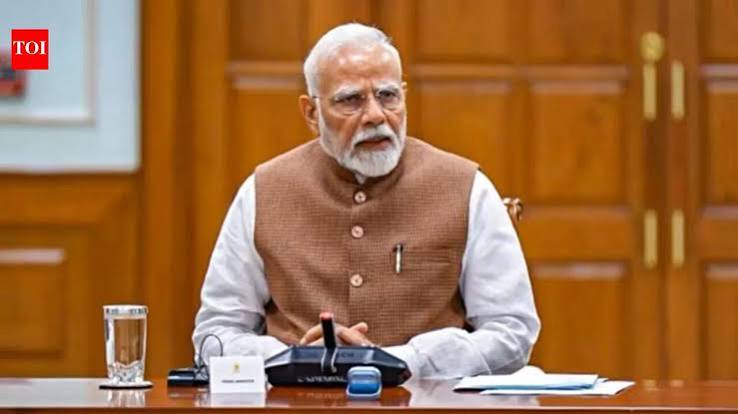
Board member Rajan Singh said the state government will bear all expenses for the construction of the temple. PATNA: Bihar State Transgender Welfare Board has approved a proposal to build a temple in honour of Prime Minister Narendra Modi in recognition of his efforts to give respect and rights to the community. A decision to this effect was taken on Wednesday in the Board’s first meeting, held at the social welfare department in the Old Secretariat. The Board works under the state social welfare department. Board member Rajan Singh, who presented the proposal during the meeting, said that the transgender community wanted to express its gratitude to Prime Minister Modi by constructing a temple dedicated to him. He said that the temple would be built in Patna and the construction work would start after the state government identifies the land for the purpose. The state government will bear all expenses for the construction of the temple, he added. Singh said the transgender community in Bihar did not have a temple of its own, adding that the proposal was unanimously supported by the members and approved by the Board. Referring to the Board’s first meeting, Singh said it was the inaugural session following the implementation of the Transgender Persons (Protection of Rights) Act, 2019, which provided the transgender community with institutional representation within the state secretariat. The Bihar State Transgender Welfare Board (Bihar Rajya Kinnar Kalyan Board) is a 28-member state panel under the Social Welfare Department, formed in August 2025 to protect community rights and drive social empowerment. Ramashankar Courtesy : TNIE Note: This news is originally published on https:/thenewindianexpress.com/bha and is used purely for non-profit/non-commercial purposes, especially human rights
32% Dalit Vote In Play: Why Every Party In Punjab Is Racing To Own Guru Ravidas Jayanti

Since the Jayanti is on February 20, it will fall right in the middle of the election campaign, making it a major event for all the parties Ahead of the Punjab Assembly elections, Guru Ravidas Jayanti has become more than just a religious occasion. With the Ravidasia community wielding considerable electoral influence, particularly in the Doaba region, every major party is using the celebrations to reinforce its outreach to Dalit voters. Guru Ravidas was a revered 14th-15th-century Bhakti movement saint, poet, and social reformer. He has a massive following among Scheduled Castes in Punjab. Punjab has the highest Dalit population in the country at around 32%, according to the 2011 Census. The community plays a decisive role in the electoral outcome of several assembly constituencies, making it a key political constituency for all major parties. Since the Jayanti is on February 20, it will fall right in the middle of the election campaign, making it a major event for all political stakeholders in the state. The Centre’s launch of a special train for Guru Ravidas Jayanti is also likely to add a political dimension to the festivities. The BJP is projecting the launch of the special train as part of the Narendra Modi government’s efforts to facilitate pilgrimage and honour the legacy of Guru Ravidas. The party is showcasing the initiative alongside its outreach to Ravidasia deras and religious institutions, seeking to strengthen its connect with SC voters. The BJP is also using the occasion to expand its social base beyond its traditional urban support. The BJP has already kickstarted seven-month-long celebrations from UP to Punjab under the banner of ‘Samrasta Sankalp Abhiyan’, coinciding with the 650th birth anniversary of Guru Ravidas. The ruling AAP government is highlighting the measures it has taken to mark Guru Ravidas Jayanti, including declaring it a public holiday, organising state-supported celebrations and facilitating devotees travelling to places associated with Guru Ravidas. The party is expected to present these initiatives as part of its broader commitment to respecting all faiths, while combining them with welfare and governance measures targeted at disadvantaged communities. The celebrations are likely to be used to reinforce AAP’s outreach to Dalit voters, who form a key pillar of its electoral support in Punjab. The Congress is expected to leverage its traditional support base among the Ravidasia community, particularly in the Doaba belt, by increasing the visibility of its senior Dalit leaders during the celebrations. The party is likely to argue that while symbolic gestures have their place, the place in Sikhism, with his hymns enshrined in the Guru Granth Sahib, while projecting itself as a party rooted in Punjab’s religious and social ethos. The Akali Dal is also likely to step up its engagement with Ravidasia organisations as it seeks to rebuild its support base before the 2027 polls. Reported by: Gurpreet Singh Chhina Edited by: Mohd Asim Courtesy : NDTV Note: This news is originally published on https:/ndtv.com/bha and is used purely for non-profit/non-commercial purposes, especially human rights
Shravasti News: LJP to hold Dalit Chaupal on August 1
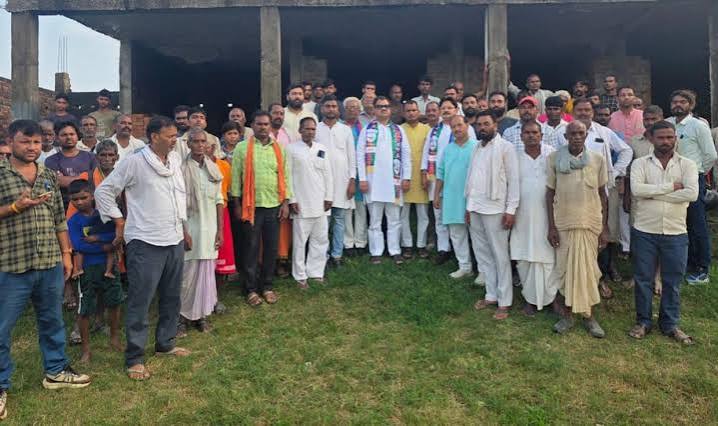
Shravasti. The Lok Janshakti Party (Ram Vilas) will organize a Dalit Chaupal program on August 1 in Sangampurwa village of Jamunaha tehsil. The chief guest at the program will be MP and Uttar Pradesh in-charge Arun Bharti. A divisional review meeting was held on Wednesday regarding the preparations for the program, chaired by District President Rahul Paswan. Program coordinator and State Vice President Manoj Pathak stated that the Chaupal is being organized to strengthen the party’s hold among Dalits. Officials from all districts of the division attended the meeting, and the program outline was prepared. Devipatan divisional president Jatashankar Valmiki, Ashwani Srivastava, Balrampur district president Gaurav Singh, and Bahraich district president Yunus Parvez, among others, were present. Courtesy: Hindi News